Pinch for branching
Lightly pinch out the soft shoot tips when plants are 10–15 cm tall to encourage dense branching and more flower spikes rather than letting a single tall stem dominate.

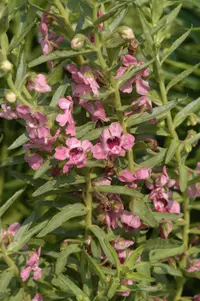
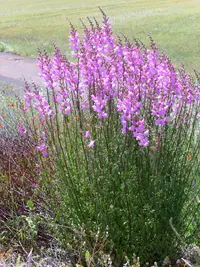
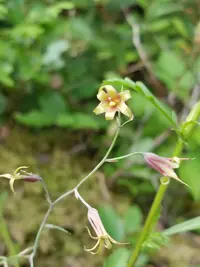
Angelonia biflora is a small, herbaceous flowering plant known for its upright stems and pairs of colorful, snapdragon-like blooms along the stems. The foliage is typically narrow and lance-shaped, giving the plant a fine, airy texture in mixed plantings.
This species is native to warm regions of the Americas, where it often grows in open, sunny sites with good drainage. Its compact growth habit and steady flowering make it suitable for borders, containers, and seasonal bedding.
Gardeners find it relatively manageable because it tolerates heat well and flowers over an extended period when conditions are stable. Understanding how to care for Angelonia biflora mainly involves providing consistent light, moderate moisture, and well-drained soil to support healthy growth.

Care Difficulty
Moderate Care

Light Preference
Full Sun

Water Requirements
Moderate Water

Temperature Preference
Warm Climate

Hardiness Zone
9–11

Soil Texture
Sandy, Loamy, Organic-rich

Soil pH
Acidic (5.5–6.5), Slightly acidic (6.5–7.0)

Soil Drainage
Well-drained

Fertilization
Light (every 4–6 weeks)
Scan your plant to receive care tips personalized for your specific plant
Available on iOS and Android
This sun-loving perennial performs best in bright, open garden positions.
This plant prefers evenly moist, well-drained soil that never stays soggy for long.
This warm-season species grows best in mild to hot conditions without frost exposure.
This species handles typical home humidity but benefits from moderately moist air in hot, dry weather.
Angelonia biflora prefers a light, well-aerated, fast-draining substrate to maintain steady moisture without staying soggy.
This species is well suited to container cultivation outdoors on patios, balconies, or near sunny entrances.
Balanced feeding supports compact growth and generous flowering in Angelonia biflora.
Thoughtful pruning keeps Angelonia biflora dense, tidy, and flowering well.
Transplanting and occasional repotting help maintain healthy root systems and stable flowering.
New plants are commonly raised from softwood cuttings or seeds taken from healthy Angelonia biflora.
In cooler regions, winter care focuses on preventing frost damage and preserving plants or seed stock.

Plant Health Check
Not sure what's wrong with your plant? Check your plant's health inside the app.
Angelonia biflora is naturally restricted to dry, sandy pinelands and scrub in parts of the southeastern United States, where it grows in open, high‑light gaps rather than shaded woods.
The species name biflora refers to its tendency to produce flowers in pairs along the stem, a trait that helps distinguish it from some other Angelonia species in the field.
Its snapdragon‑like flowers are adapted to attract small bees that can navigate the narrow floral tube, a structure that guides them toward the nectar and ensures contact with the reproductive parts of the flower.
Lack of flowers often comes from insufficient light, overly rich nitrogen fertilizer, or old, spent stems. Deadhead faded spikes, avoid high-nitrogen feed, and ensure strong sun exposure to redirect energy into new flowering growth.
Keep your plants happy and healthy with plant identification, disease detection, and easy care guidance.