Dwarf apple Care (Angophora hispida)

Also known as: Dwarf Apple Gum
Dwarf apple

About Dwarf apple

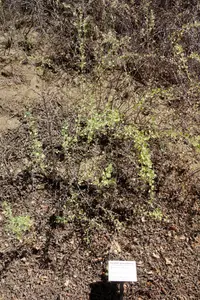
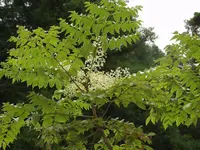
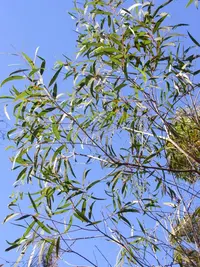
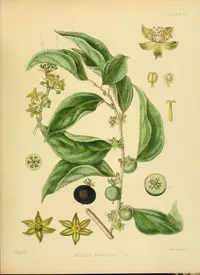
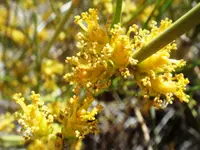
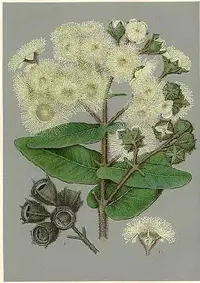
Dwarf apple (Angophora hispida) is a compact Australian native tree or large shrub from dry sandstone heath and open woodland around coastal New South Wales. It has a rounded, bushy habit, rough fibrous bark, and dense grey-green foliage, with showy cream to white bottlebrush-like flowers that attract birds and insects. Growth is upright but usually stays relatively low compared with many eucalypt relatives, which suits smaller gardens and naturalistic plantings. It is generally hardy once established, but young plants need good drainage and protection from prolonged waterlogging. Understanding how to care for Dwarf apple starts with providing full sun, low to moderate moisture, and sandy or rocky soils similar to its natural habitat.

Main Plant Requirements

Care Difficulty

Moderate Care

Light Preference

Full Sun

Water Requirements

Low Water

Temperature Preference

Warm Climate

Hardiness Zone

9–11

Soil Texture

Sandy, Loamy, Rocky

Soil pH

Acidic (5.5–6.5), Slightly acidic (6.5–7.0)

Soil Drainage

Well-drained

Fertilization

Minimal (feed rarely)

Get Personalized Care Plan

Scan your plant to receive care tips personalized for your specific plant

Available on iOS and Android

How to Care for the Dwarf apple

Angophora hispida prefers bright, sun-exposed conditions similar to its native coastal habitat.

  • Provide 6–8 hours of direct sun daily, with morning sun and light afternoon shade ideal in hotter inland areas.
  • Young plants tolerate light partial shade, but too much shade causes sparse growth, fewer flowers, and weak, lanky stems.
  • In very hot summers, protect from harsh late-afternoon sun to reduce leaf scorch; in winter, ensure as much unshaded light as possible for healthy Dwarf apple foliage density.

This species prefers well-drained, slightly dry-leaning conditions once established.

  • Allow the top 5–8 cm of soil to dry before watering, then soak thoroughly so excess drains away, especially on sandy or rocky sites.
  • In the first 1–2 growing seasons, use visual cues: water when new leaves lose some sheen or the soil looks pale and crumbly.
  • Reduce watering in cool or wet seasons; signs of overwatering include yellowing, soft leaves and sour-smelling soil, while prolonged drooping and crisp leaf edges indicate underwatering in hot weather.

This coastal shrub handles a wide temperature range but performs best in mild, low-frost climates.

  • Optimal growth occurs around 60–80°F (16–27°C), with steady shoot and root development during spring and early summer.
  • Mature plants usually tolerate brief drops to about 25–28°F (-4 to -2°C), but repeated hard frosts can damage young tips and flower buds.
  • Heat tolerance is high up to about 100°F (38°C) if soil is not waterlogged; in prolonged heatwaves, mulch the root zone to moderate soil temperature and reduce stress.

This species tolerates a wide humidity range and usually does not need special humidity management in cultivation.

This species prefers very free-draining, sandy soil that mimics its native, nutrient-poor habitat.

  • Use a mix of roughly 60–70% coarse sand with 30–40% low-organic, sandy loam to keep roots aerated.
  • Ensure rapid drainage; water should pass through the container or bed within seconds, not sit on the surface.
  • Keep pH slightly acidic to neutral, around 6.0–7.0, using minimal compost and avoiding peat-heavy mixes.
  • Avoid compacted, clay-rich, or waterlogged substrates, which quickly cause root decline in Angophora hispida.

This species can be grown in containers, mainly for young plants or smaller forms rather than long-term confinement.

  • Choose a deep, heavy container that resists tipping, as the woody canopy becomes tall and wind-catching.
  • Select a pot material such as thick terracotta if extra moisture loss is desired in wet climates, or plastic in hot, dry areas.
  • Fill the container with a very sandy, fast-draining mix and keep the top layer slightly gritty to prevent surface compaction.

Angophora hispida grows in low‑nutrient soils and needs only light feeding in cultivation.

  • Use a low to moderate strength, balanced slow‑release NPK fertilizer or well‑matured compost in spring.
  • Apply once at the start of the warm growing season; avoid repeated, heavy applications that cause soft, weak growth.
  • Reduce or skip feeding in fall and winter when growth slows, especially in cooler regions or for Dwarf apple relatives in similar conditions.
  • Always apply to moist soil and, for liquid feeds, dilute to 1⁄2 strength to prevent root burn.

Pruning supports a strong structure and safe form for Angophora hispida, especially in gardens and streetscapes.

  • Carry out shaping and thinning in late winter to early spring before vigorous new growth begins.
  • Remove dead, damaged, crossing, or rubbing branches to improve air flow and reduce disease risk.
  • Shorten or thin crowded shoots to maintain a balanced canopy and stable framework in windy sites.
  • Use clean, sharp bypass secateurs or a pruning saw, making smooth cuts just outside the branch collar.

This species is usually grown in the ground, so focus on careful transplanting rather than frequent repotting.

  • Shift container plants or young field‑grown trees when roots circle the pot, growth stalls, or watering becomes difficult.
  • Transplant in late winter to early spring, aiming for a cool, mild day to limit heat and moisture stress.
  • Plan on stepping up young plants every 2–3 years, moving to a pot or site only 1–2 sizes larger.
  • Water thoroughly before and after moving, keep the root ball intact, and shade the plant for 1–2 weeks while roots re‑establish.

Propagation of Angophora hispida is usually done from seed rather than from cuttings.

  • Collect mature seed capsules, dry them, then extract and store seed in a cool, dry place until late winter or early spring sowing.
  • Sow seed on a free‑draining, low‑phosphorus native mix, barely covering it and keeping it evenly moist, not wet.
  • Provide bright light, good air movement, and mild temperatures around 65–75°F to support germination and seedling development.
  • Transplant seedlings carefully once they have several true leaves, disturbing roots as little as possible.

In mild, frost‑free climates this species usually needs little special winter care.

  • In regions with light frost, add a 5–8 cm mulch layer around the root zone, keeping it clear of the trunk base.
  • Young or container plants in colder areas benefit from a sheltered position against a warm wall or windbreak.
  • Move potted specimens under cover or indoors during hard frosts, ensuring cool, bright, well‑ventilated conditions.

Care Tips

Wind exposure planning

Position young plants in a spot with some wind protection for the first 1–2 years, then gradually thin nearby sheltering shrubs so the tree acclimates and develops a sturdier root and branch structure.

Low-branch training

In the first 3–5 years, selectively retain several well-spaced lower branches to encourage a broad, wind-firm framework, only removing rubbing or steeply upright shoots that could form weak crotch angles.

Bushfire-resilience pruning

In fire-prone regions, maintain a clear zone of 30–50 cm at the base by removing dead twigs and litter and lightly thinning fine inner growth so bark and buds remain visible and accessible for post-fire resprouting.

Phosphorus-sensitive feeding

If a soil test shows low nutrients, choose a low-phosphorus native fertilizer and apply at half the label rate at most, as this species is adapted to nutrient-poor sandy soils and is sensitive to phosphorus buildup.

Mulch management

Use a coarse, low-fines mulch in a 5–7 cm layer, keeping it 5–10 cm away from the trunk to suppress weeds, moderate soil temperature, and reduce fungal risk without encouraging collar rot.

Common Pests and Diseases

Myrtle rust

This disease causes bright yellow powdery pustules on young leaves, shoots, and flower buds, often leading to distortion and dieback of new growth.

Solution

Remove and destroy affected shoots as soon as symptoms appear, avoid overhead watering, and improve spacing and airflow; in high-risk areas, follow local guidelines for myrtle rust control and use registered fungicides only where legally permitted and necessary.

Longhorn borers

These insects tunnel into stems and branches, causing wilting, dieback, and structural weakness, sometimes with visible exit holes and frass (sawdust-like material).

Solution

Prune and destroy infested branches, keep the tree vigorous through proper watering and mulch, avoid wounding the trunk, and use trunk inspection and sticky traps to monitor adults, applying targeted insecticide treatments only if borer activity is confirmed and severe.

Psyllids

These insects feed on sap from young foliage, causing leaf cupping, pitting, and distorted new growth, sometimes with honeydew and sooty mold on leaves.

Solution

Prune and dispose of heavily infested tips, hose down foliage to remove nymphs, encourage natural predators such as lady beetles, and apply a horticultural oil or insecticidal soap thoroughly to young shoots during early infestation stages.

Leaf spots

This disease produces small dark or tan lesions on leaves that may coalesce, occasionally causing premature leaf drop under prolonged wet conditions.

Solution

Collect and discard fallen leaves, avoid wetting foliage, improve air movement around the plant, and if the problem recurs severely, use a registered copper or broad-spectrum fungicide according to label directions during extended wet periods.

Scale insects

These insects appear as small, immobile bumps on stems and leaf midribs, extracting sap and leading to leaf yellowing, reduced vigor, and honeydew that can support sooty mold growth.

Solution

Gently scrape or prune off localized colonies, wash stems and leaves with a strong water spray, then treat remaining insects with horticultural oil or insecticidal soap, repeating applications as needed while monitoring for beneficial insects that help keep populations in check.

Interesting Facts

Bloodwood trunk color

The trunk and older branches often show a distinctive orange to reddish bark, leading to the common name dwarf apple or scrub apple bloodwood, and fresh wounds can exude a red sap that resembles blood.

Post‑fire regrowth strategy

This species is well adapted to fire-prone sandstone heath in coastal New South Wales, resprouting from a woody lignotuber and epicormic buds beneath the bark after bushfires.

Pollinator magnet flowers

Its dense heads of cream to white, brush-like flowers produce abundant nectar and pollen, attracting large numbers of native bees, beetles, flies, and birds during summer flowering events.

Botan icon

Did you know?

Angophora hispida often hybridizes naturally with closely related species such as Angophora costata where their ranges overlap, creating intermediate forms that can make field identification challenging for botanists.

FAQs about Dwarf apple

Growth is moderate. Young plants can add about 15–30 cm per year once established, slowing as the canopy fills out. Rate depends on sun, soil quality, moisture, and freedom from root disturbance or severe pruning.

Grow Healthy Plants with Botan Care

Keep your plants happy and healthy with plant identification, disease detection, and easy care guidance.

Botan plant care app — identify plants on mobile

Explore More Plants