Forest Big-leaf Care (Anthocleista grandiflora)

Also known as: Big Leaf, forest fever tree, Bigleaf-Tree, Big-Leaved Fevertree, Forest-Fevertree, Wild Tobacco-Tree
Forest Big-leaf

About Forest Big-leaf

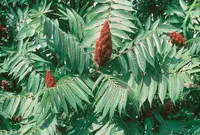
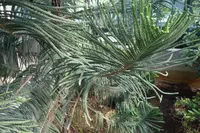
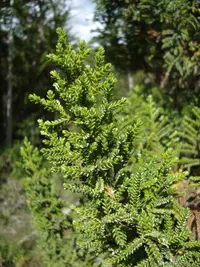
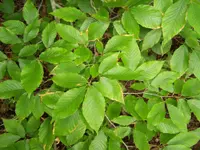
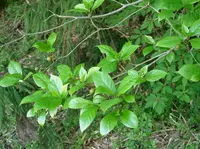
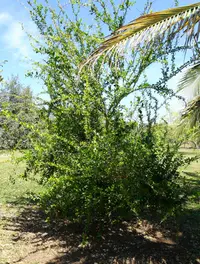
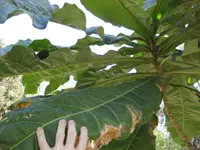
Anthocleista grandiflora, commonly called forest big-leaf, is a tropical evergreen tree known for its very large, glossy leaves and upright growth. Young plants often have especially oversized foliage, which becomes smaller as the tree matures.

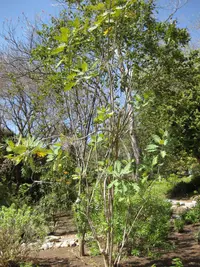
This species is native to moist forests and riverine habitats in eastern and southern Africa, where it can reach substantial height in warm, frost-free climates. It suits spacious gardens, conservatories, or large indoor atriums rather than small homes.

Gardeners who care for Forest Big-leaf should be aware that it prefers consistently moist, well-drained soil, high humidity, and bright, filtered light. It is not cold-tolerant and can be challenging outside its preferred climate zone.

Main Plant Requirements

Care Difficulty

Hard Care

Light Preference

Partial Sun

Water Requirements

Keep Soil Moist

Temperature Preference

Tropical / Frost Sensitive

Hardiness Zone

10–12

Soil Texture

Loamy, Silty, Organic-rich

Soil pH

Acidic (5.5–6.5), Slightly acidic (6.5–7.0)

Soil Drainage

Moist but well-drained

Fertilization

Minimal (feed rarely)

Get Personalized Care Plan

Scan your plant to receive care tips personalized for your specific plant

Available on iOS and Android

How to Care for the Forest Big-leaf

This fast-growing African tree prefers bright, warm conditions similar to its native forest edges.

  • Provide 4–6 hours of morning sun with light afternoon shade; strong late-day sun can scorch the large leaves of Forest Big-leaf, especially in hot summers.
  • In hotter climates, use filtered light under taller trees or a shade cloth allowing 40–60% light to reduce leaf burn and water stress.
  • In cooler regions, choose a south or west exposure with wind protection so the plant receives maximum bright light from spring to early autumn.

This species prefers consistently moist, never stagnant, soil similar to a streamside environment.

  • Water when the top 3–5 cm of soil feel slightly dry, aiming to keep the deeper root zone evenly moist but not saturated.
  • Use deep, slow watering in well-drained soil; yellowing, soft leaves and a sour smell indicate overwatering and poor drainage, while curling, crisp edges signal underwatering.
  • Reduce frequency in cooler months when growth slows, but do not allow Anthocleista grandiflora to dry out completely between waterings, especially in windy or exposed sites.

This tropical-to-subtropical tree needs warm conditions and does poorly in cold climates.

  • Aim for 65–85°F (18–29°C) for active growth; plants slow markedly below 60°F (16°C).
  • Protect from cold snaps; brief exposure to 40–45°F (4–7°C) may be tolerated, but frost at 32°F (0°C) or below damages foliage and young stems.
  • In hot regions with 90–100°F (32–38°C), combine partial shade, mulch, and reliable soil moisture to prevent heat stress and leaf scorch.

This species prefers consistently moist air, so humidity should be managed carefully for Forest Big-leaf.

  • Aim for 60–80% humidity, as very dry indoor air below 40% often causes leaf-edge browning and tip dieback.
  • Watch for curled, dull, or crisping leaves as signs of low-humidity stress rather than underwatering alone.
  • Increase humidity with a nearby humidifier, grouped plants, or a wide pebble tray, but keep leaf surfaces dry to limit fungal problems.

Anthocleista grandiflora requires deep, moist, well-aerated soil that stays evenly damp but never stagnant.

  • Use a loamy mix rich in organic matter, such as 50% compost or leaf mold blended with 30% coarse bark and 20% sharp sand or perlite.
  • Ensure fast drainage so water moves through within seconds, leaving the mix moist but not glossy-wet at the surface after watering.
  • Keep soil slightly acidic to neutral, around pH 6.0–7.0, to support nutrient uptake and healthy root development.
  • Avoid heavy clay, compacted ground, and constantly waterlogged spots, which quickly lead to root suffocation and rot.

This species can be grown in containers when young, but it needs careful pot management due to its eventual size.

  • Choose a tall, heavy container that resists tipping, as the plant forms a strong, upright trunk and can become top-heavy.
  • Use a pot deep enough to accommodate a strong taproot, prioritizing depth and stability over very wide dimensions.
  • Select non-porous materials like glazed ceramic or plastic if rapid drying is a risk, since the root zone should stay evenly moist.

This species benefits from light, balanced feeding when grown in containers or managed landscapes.

  • Use a balanced NPK fertilizer (for example 10-10-10) or well-rotted compost for Forest Big-leaf during active spring–summer growth.
  • Apply fertilizer every 4–6 weeks in the growing season, skipping feedings if growth is already strong and foliage deep green.
  • Dilute liquid fertilizers to 1/2–1/4 strength to avoid root burn, especially in young or potted trees.
  • Stop feeding in late fall and winter, when growth slows, to prevent weak, frost-tender shoots.

Pruning Anthocleista grandiflora is mainly for safety, structure, and health rather than size control.

  • Carry out structural pruning in late winter or early spring before vigorous growth starts.
  • Remove dead, diseased, storm-damaged, or rubbing branches using clean, sharp bypass pruners or a pruning saw.
  • Thin congested interior shoots to improve light penetration and airflow, encouraging sturdier, better-spaced growth.
  • Limit cuts to smaller branches, preserving the natural upright form and avoiding large wounds that heal slowly.

Forest big-leaf is usually grown in the ground, with transplanting focused on young trees rather than mature specimens.

  • Transplant during late winter or early spring while the tree is still semi-dormant to reduce shock.
  • Look for signs such as roots circling the nursery container, water running off quickly, or noticeably slowed growth.
  • Move up only 1–2 pot sizes or into a well-prepared ground site with deep, well-drained, slightly acidic soil.
  • Water thoroughly after planting, mulch 5–8 cm deep, and shade the tree temporarily to limit root stress and leaf scorch.

Propagation of this species is usually done from seed and is moderately specialized for home growers.

  • Collect ripe seed from healthy trees, clean off pulp, and sow fresh for best viability.
  • Sow seeds in late spring in a warm, bright, shaded nursery area with a free-draining, sterile mix.
  • Maintain 70–80°F, consistent moisture, and good air movement to support steady germination and reduce damping-off disease.
  • Grow seedlings on in containers until well rooted and sturdy, then harden off before planting in their permanent position.

This tropical tree is frost sensitive and needs careful winter management in regions with cool or freezing conditions.

  • In mild climates, apply a 5–8 cm mulch layer around the root zone, keeping it slightly away from the trunk.
  • Wrap young trunk and lower branches with breathable horticultural fleece during expected frosts.
  • Move container-grown trees indoors or into a heated greenhouse before temperatures approach 40°F.
  • Reduce watering in winter, keeping soil lightly moist but never waterlogged, to prevent cold-related root damage.

Care Tips

Wind-hardening young trees

Expose container-grown juveniles to light, steady air movement and rotate the pot weekly so stems thicken evenly and better resist breakage once planted in a permanent position.

Early structural pruning

In the first 2–3 years, remove competing leaders and very low side-branches to encourage a single strong trunk and a balanced crown suited to the tree’s eventual large size.

Root-zone protection

Maintain a wide, mulch-only zone around the base, keeping mulch 5–8 cm away from the trunk, to protect shallow roots from heat, soil compaction, and mower or string-trimmer damage.

Gradual site acclimation

When moving a nursery plant to a brighter, more exposed position, increase light and wind exposure over 2–3 weeks to reduce transplant shock and leaf scorch.

Moisture-buffering understory

Plant a low, non-competitive groundcover or use living mulch around the dripline to help stabilize soil moisture and temperature, which supports consistent growth when caring for Forest Big-leaf.

Common Pests and Diseases

Leaf-miner larvae

This pest tunnels inside the soft leaves, creating pale winding trails and thin, blistered patches that can cause premature leaf drop on young trees.

Solution

Prune and destroy heavily mined leaves, then monitor new flushes of foliage closely; for ongoing problems, apply a systemic insecticide or spinosad-based product timed to new leaf growth, and encourage natural predators by avoiding broad-spectrum sprays.

Scale insects

These insects attach along midribs and young stems, sucking sap and causing yellowing, sticky honeydew, and sooty mold on the large leaves.

Solution

Wipe or gently scrub infested areas with a cloth or soft brush dipped in dilute soapy water, then follow with a horticultural oil treatment, repeating every 7–14 days until no new scales or honeydew appear.

Leaf spot

This disease produces round to irregular brown spots that may have darker margins and can merge into larger dead patches, especially on lower, older leaves in warm, humid conditions.

Solution

Remove and discard affected leaves, then improve air movement and avoid wetting the foliage; if spotting continues, treat with a copper-based or chlorothalonil fungicide according to label directions, focusing on young expanding leaves.

Interesting Facts

Huge tropical leaves

This species can develop individual leaves up to 1–1.5 m long on young trees, an adaptation that helps capture light in the understory of African montane and lowland forests.

Forest gap pioneer

It commonly establishes itself in forest gaps, landslides, and disturbed sites, showing fast early growth that helps stabilize soils and shade the ground for later successional species.

Specialist forest range

The tree occurs mainly in moist evergreen and gallery forests from South Africa northwards to East and Central Africa, typically along streams and on deep, well-drained soils in warm, frost-free areas.

Botan icon

Did you know?

In parts of southern Africa, the tree is sometimes used as a living boundary marker or shade tree near homesteads and paths, taking advantage of its straight trunk, rapid early growth, and broad crown.

FAQs about Forest Big-leaf

Growth is relatively fast in warm, frost-free climates, often adding 60–120 cm per year once established. Rate slows in containers, cooler temperatures, or poor soil. Consistent moisture, organic mulch, and balanced fertilizer support growing Forest Big-leaf effectively.

Grow Healthy Plants with Botan Care

Keep your plants happy and healthy with plant identification, disease detection, and easy care guidance.

Botan plant care app — identify plants on mobile

Explore More Plants