Guaitecas Cypress Care (Pilgerodendron uviferum)

Guaitecas Cypress

About Guaitecas Cypress

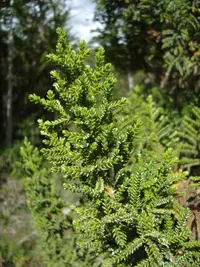
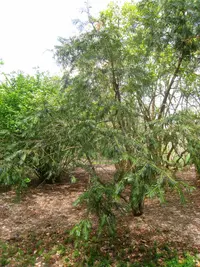
Guaitecas cypress, Pilgerodendron uviferum, is a slow-growing, evergreen conifer that forms narrow, columnar trees with dense, scale-like foliage. Mature plants often develop textured, reddish-brown bark and small, rounded cones.

This species is native to cool, wet coastal regions of southern Chile and Argentina, where it naturally forms boggy forests and peatland stands. It prefers consistently moist, acidic, and well-drained soils, and does best in cool, humid climates.

In cultivation it can be challenging outside its preferred climate, as it dislikes heat, drought, and polluted urban conditions. Gardeners who care for Guaitecas Cypress need to provide stable moisture, good air movement, and protection from extreme heat.

Main Plant Requirements

Care Difficulty

Hard Care

Light Preference

Full Sun

Water Requirements

Keep Soil Moist

Temperature Preference

Cold Hardy

Hardiness Zone

7–9

Soil Texture

Loamy, Silty, Peaty

Soil pH

Strongly acidic (4.5–5.5), Acidic (5.5–6.5)

Soil Drainage

Waterlogged tolerant

Fertilization

Minimal (feed rarely)

Get Personalized Care Plan

Scan your plant to receive care tips personalized for your specific plant

Available on iOS and Android

How to Care for the Guaitecas Cypress

This slow-growing conifer prefers cool, consistently moist, low-intensity light conditions similar to its native coastal forests.

  • Provide 3–5 hours of soft morning sun with bright, dappled or lightly filtered light for the rest of the day; avoid harsh, exposed midday sun in warm climates.
  • Guaitecas Cypress tolerates light to moderate shade, but in deep shade foliage becomes thin, growth slows, and lower branches may die back over time.
  • In hot summers, protect from strong afternoon sun to prevent foliage scorch; in cooler coastal or high-rainfall areas it can handle more open exposure if soil stays moist.

This species prefers consistently moist, cool soil and does poorly if it dries out deeply.

  • In the ground, aim for soil that stays evenly moist; allow only the top 1–2 cm to dry slightly between rains or irrigation, especially during dry or windy periods.
  • Use deep, slow watering so moisture penetrates 15–25 cm, and combine this with well-drained, organic-rich soil to avoid stagnant water around roots.
  • Pilgerodendron uviferum dislikes both drought and waterlogging; wilting, dull foliage suggests underwatering, while yellowing tips and a sour soil smell suggest oversaturation.

This cold-hardy conifer thrives in cool, mild climates with limited heat stress.

  • Best growth occurs around 45–65°F (7–18°C), with steady moisture and protection from drying winds to reduce stress on foliage and fine roots.
  • Mature plants tolerate drops near 5°F (−15°C) once established, but young plants benefit from mulch and shelter from severe, exposed winter winds.
  • Heat tolerance is low; prolonged periods above 80–85°F (27–29°C) can cause stress, so provide shade, ample soil moisture, and avoid planting in heat-reflective sites.

This slow-growing conifer prefers cool, moist air but adapts to typical outdoor humidity in temperate climates.

  • Aim for 50–80% humidity, which is common in coastal or woodland sites where Guaitecas Cypress naturally occurs.
  • In prolonged hot, dry air, tips may brown and foliage may look dull or shed more than usual.
  • Increase humidity outdoors by mulching the root zone 5–8 cm deep and avoiding heat-reflective hard surfaces nearby.

Pilgerodendron uviferum grows best in consistently moist, acidic, organic-rich soil with steady drainage.

  • Use a mix of 50–60% loam, 20–30% coarse sand, and 20–30% acidic organic matter such as peat or fine composted bark.
  • Keep drainage moderate to fast; soil should hold moisture but not stay waterlogged or form standing puddles after rain.
  • Target pH 5.0–6.5; incorporate elemental sulfur or acidic compost if the native soil is neutral to alkaline.
  • Improve aeration and root health by avoiding compaction, adding coarse sand or fine bark, and never planting in heavy, unamended clay.

This species can be grown in containers when young, provided the pot supports its slow but eventually large size.

  • Choose a deep, heavy container to anchor the tall, wind-sensitive canopy and prevent tipping in exposed locations.
  • Use a high-volume pot that allows a broad root system, as cramped roots dry out quickly and reduce vigor.
  • Select thick-walled, non-porous materials in hot climates to slow moisture loss and keep roots cooler than thin plastic pots.

This slow-growing conifer needs minimal feeding, but light nutrition supports healthy, dense foliage when grown in managed landscapes.

  • Apply a balanced, slow-release NPK fertilizer (around 8-8-8 to 10-10-10) once in early spring for outdoor Guaitecas Cypress.
  • Use compost or well-rotted organic mulch over the root zone instead of frequent granular feeding.
  • During the growing season, avoid more than 1 light application; excess nitrogen leads to weak, lanky growth.
  • Do not feed in late fall or winter; cool, low-light conditions reduce nutrient demand and increase salt stress risk.

Pilgerodendron uviferum needs only light structural pruning to maintain a natural, conical form.

  • Carry out any pruning in late winter or very early spring, before new growth starts.
  • Remove dead, diseased, or storm-damaged branches first, cutting back to sound wood with clean bypass pruners or a sharp saw.
  • Thin overcrowded interior branches slightly to improve airflow while preserving the tree’s natural outline.
  • Avoid cutting back into bare, brown interior wood, as conifers rarely reshoot from old, unfoliated stems.

This species is usually grown in the ground; container plants or young nursery stock need careful transplanting to protect a sensitive root system.

  • Transplant in late fall or early spring when soil is cool and moisture is reliable, reducing heat and drought stress.
  • Look for circling roots at the container edge or slowed top growth as signs a young plant has outgrown its pot.
  • Move to a hole or container only 1–2 sizes larger, keeping the root ball intact and planting at the same depth.
  • Water thoroughly after planting, then maintain consistently moist, cool soil and a 5–8 cm mulch ring to ease root adjustment.

Pilgerodendron uviferum is slow and somewhat demanding to propagate, so it is usually produced by specialists rather than home growers.

  • Use semi-hardwood cuttings taken in late summer to early autumn from healthy, disease-free side shoots.
  • Treat cut bases with a rooting hormone, then insert into a sharply drained, slightly acidic medium kept evenly moist.
  • Maintain high humidity and cool, bright, indirect light; rooting can take many months with modest success rates.
  • Seed propagation is possible but requires fresh seed, cool stratification, and patient germination under nursery conditions.

This cold-hardy conifer tolerates significant frost, so established plants usually need little special winter care.

  • In regions with severe freeze-thaw cycles, apply a 5–8 cm mulch layer around the root zone to moderate soil temperature.
  • Shield young or recently transplanted plants from drying winter winds using a breathable windbreak fabric.
  • Container-grown specimens in cold climates should be sunk into the ground or moved to a sheltered, unheated space to prevent root freeze.

Care Tips

Shelter From Wind

Site plants where taller shrubs or windbreak fencing reduce cold, drying winds, since sustained wind stress can desiccate foliage and stunt leader growth.

Encourage Single Leader

In young trees, select and loosely stake the strongest vertical shoot as the central leader and remove competing uprights over 2–3 years to build a stable, columnar structure.

Mulch For Cool Roots

Apply a 5–8 cm layer of coarse, woody mulch over the root zone, keeping it a few cm away from the trunk, to keep roots cool, conserve moisture, and suppress weed competition.

Gentle Soil Protection

Keep foot traffic, heavy pots, and equipment away from the drip line to avoid soil compaction, which reduces oxygen around the fine feeder roots and slows growth when growing Guaitecas Cypress.

Monitor For Dieback

Inspect branch tips at the end of winter for browning or dieback and prune only the clearly dead portions back to healthy green tissue to limit spread of damage and maintain a dense crown.

Common Pests and Diseases

Cypress aphids

This pest feeds on young shoots and foliage, causing yellowing, needle drop, and general decline, especially in stressed or drought-affected trees. Symptoms include sticky honeydew and sooty mold on twigs and foliage.

Solution

Prune out heavily infested shoot tips and dispose of them. For smaller specimens, hose down foliage with a strong stream of water, then, if needed, apply a horticultural soap or light horticultural oil, making sure to wet the undersides of shoots while avoiding applications during high heat or direct midday sun.

Armillaria root disease

This disease, caused by Armillaria fungi, attacks roots and lower stems, leading to thinning foliage, dieback of branch tips, and eventual plant death. Symptoms include white fungal sheets under the bark near the base and dark rhizomorphs resembling shoe laces on roots or in the soil.

Solution

Remove and destroy severely affected plants, including as much root material as possible, and avoid replanting another conifer in the same spot for several years. Improve drainage, avoid overwatering, and keep the root collar area dry and free of mulch buildup to reduce infection risk when establishing new plants and when growing Pilgerodendron uviferum in garden settings.

Phytophthora root and collar rot

This disease affects fine roots and the lower stem in poorly drained or waterlogged sites, causing dull, off-color foliage, stunting, and sudden dieback. Symptoms include reddish-brown lesions at the soil line and a sharp boundary between healthy and rotted inner bark.

Solution

Improve soil drainage, avoid standing water, and water only when the upper soil begins to dry, especially in containers or heavy soils. Remove and discard severely affected plants, then consider replanting in a raised bed or mound and use a well-drained, slightly acidic conifer mix; fungicidal drenches labeled for Phytophthora may help protect high-value plants in high-risk soils.

Conifer needle blight

This disease causes browning and premature shedding of older needles, often starting in the lower, shaded canopy in humid or poorly ventilated sites. Symptoms include banded or spotted needles, with necrosis spreading from the tips or mid-needle toward the base.

Solution

Prune and discard blighted lower branches and any fallen infected needles to reduce spore levels, disinfecting tools between cuts. Increase spacing and airflow, avoid overhead irrigation, and if the problem persists in high-humidity climates, consider applying a copper-based or other labeled fungicide in early spring as new growth emerges, following product directions carefully.

Interesting Facts

World’s southernmost conifer

This species naturally forms forests near the southern tip of South America, making it the most southerly occurring conifer in the world and adapted to cold, wet, oceanic climates.

Peat bog specialist

It commonly grows in waterlogged peat bogs and swampy soils in Chile and Argentina, tolerating extremely poor, acidic substrates where many other trees cannot survive.

Exceptionally decay‑resistant wood

The wood is very durable and resistant to rot, which led to heavy historical logging for construction and fencing and is one of the main reasons the species is now globally threatened.

Botan icon

Did you know?

This tree is the only species in its genus, making it a monotypic conifer lineage that represents a unique evolutionary branch within the cypress family Cupressaceae.

FAQs about Guaitecas Cypress

This species is a true evergreen conifer. The scale-like foliage persists year-round, with older interior leaves shedding gradually. Color can dull slightly in harsh conditions, but the tree does not drop all foliage seasonally.

Grow Healthy Plants with Botan Care

Keep your plants happy and healthy with plant identification, disease detection, and easy care guidance.

Botan plant care app — identify plants on mobile

Explore More Plants