Root zone mulching
Apply a 3–5 cm layer of fine bark or leaf mold around the root zone to stabilize soil moisture and temperature, but keep mulch 3–5 cm away from the trunk to prevent rot and fungal infections.

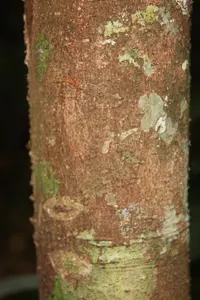
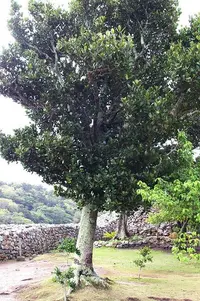
Aniba parviflora is an evergreen tree from tropical South America, belonging to the laurel family. It typically grows with a straight trunk, dense branching, and glossy aromatic foliage. In its native forests it occurs in warm, humid, lowland habitats, often as part of mixed rainforest communities.
The plant is mainly of interest to collectors and growers who focus on tropical woody species rather than casual houseplant owners. It can be challenging outside its natural climate because it dislikes cool, dry air and poorly drained soils. Those wanting to learn how to care for Aniba parviflora should know it prefers stable warmth, consistent moisture, and a free-draining, humus-rich substrate.

Care Difficulty
Moderate Care

Light Preference
Partial Shade

Water Requirements
Moderate Water

Temperature Preference
Tropical / Frost Sensitive

Hardiness Zone
Unknown

Soil Texture
Loamy, Organic-rich

Soil pH
Acidic (5.5–6.5)

Soil Drainage
Moist but well-drained

Fertilization
Minimal (feed rarely)
Scan your plant to receive care tips personalized for your specific plant
Available on iOS and Android
This species prefers bright, filtered light similar to a lightly shaded forest edge.
This tree prefers evenly moist, never waterlogged soil that drains freely.
This species is a tropical to subtropical tree that prefers warm, frost-free conditions.
This rainforest tree prefers consistently high humidity to maintain healthy foliage.
This species grows best in deep, moist, well-drained, organically enriched soil.
This species can be grown in containers when young or maintained as a managed specimen.
This slow-growing tropical tree usually needs only light feeding when cultivated in managed landscapes or large containers.
Pruning is mainly structural and sanitary, helping maintain a stable framework without stressing this slow to moderate grower.
This species is normally grown in the ground; focus on careful field transplanting of young trees rather than frequent container repotting.
Propagation of this forest tree is specialized and usually handled in professional or conservation nurseries rather than at home.
This tropical species is frost-sensitive and needs protection in any climate with cool winters or occasional freezes.

Plant Health Check
Not sure what's wrong with your plant? Check your plant's health inside the app.
This species belongs to the laurel family Lauraceae, the same family that includes avocado, cinnamon, and bay laurel, and it shares their typical aromatic, oil-containing tissues in leaves and bark.
It is a small to medium-sized evergreen tree native to lowland Amazonian forests, where its strongly scented leaves and wood contribute to the characteristic fragrance of some mixed hardwood stands.
As an understory to mid-canopy tree producing small fruits, it supports forest food webs by providing resources for insects and frugivorous animals in moist tropical habitats.
This tree species has a slow to moderate growth rate. In suitable warm, humid conditions it may add roughly 20–40 cm of height per year, increasing more quickly in deep, fertile, consistently moist but well-drained soil.
Keep your plants happy and healthy with plant identification, disease detection, and easy care guidance.