woodland madia Care (Anisocarpus madioides)

Also known as: woodland tarweed
woodland madia

About woodland madia

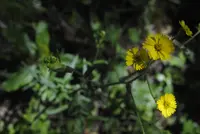
Woodland madia, Anisocarpus madioides, is a small perennial herb in the aster family, native to woodlands and open forests of the Pacific Coast in North America. It often forms low, spreading clumps with narrow, slightly sticky leaves and small yellow daisy-like flower heads.

This species is adapted to partial shade and seasonally dry conditions, which makes it interesting for naturalistic and low-input gardens in similar climates. Knowing how to care for woodland madia starts with understanding that it prefers well-drained soil and does best when its native woodland edge conditions are imitated.

Main Plant Requirements

Care Difficulty

Moderate Care

Light Preference

Partial Shade

Water Requirements

Moderate Water

Temperature Preference

Cool Climate

Hardiness Zone

6–9

Soil Texture

Sandy, Loamy, Rocky

Soil pH

Acidic (5.5–6.5), Slightly acidic (6.5–7.0)

Soil Drainage

Well-drained

Fertilization

Minimal (feed rarely)

Get Personalized Care Plan

Scan your plant to receive care tips personalized for your specific plant

Available on iOS and Android

How to Care for the woodland madia

This woodland perennial prefers bright, gentle light similar to open forest edges.

  • Provide 3–5 hours of direct morning sun with light shade or dappled light through the afternoon, mimicking woodland madia’s native habitat.
  • Allow partial shade, especially in hot-summer areas; bright open shade works well under high tree canopies or to the north or east of buildings.
  • Protect from intense midday and late-afternoon sun in summer to prevent leaf scorch, yet avoid dense, deep shade that leads to weak, floppy growth.

Moist but not soggy soil supports healthy growth and flowering.

  • In well-drained ground, water when the top 3–5 cm of soil feels dry, then soak the root zone deeply rather than giving light, frequent splashes.
  • Reduce watering in cool or rainy seasons, as Anisocarpus madioides naturally experiences drier spells after peak growth and does not tolerate standing water.
  • Watch foliage for cues: yellowing, soft stems, or a sour soil smell suggest overwatering, while dull, drooping leaves and dry, crumbly soil indicate it needs water.

This species is adapted to mild, coastal-influenced climates with moderate seasonal shifts.

  • Aim for growing-season temperatures around 60–75°F (16–24°C), which support steady vegetative growth and flowering without stress.
  • Plants typically tolerate brief drops to about 20–25°F (-6 to -4°C) once established, but young plants benefit from mulch in colder zones to buffer roots.
  • Heat tolerance is moderate; in spells above 85–90°F (29–32°C), provide afternoon shade and ensure soil does not fully dry to reduce stress and leaf scorch.

This species tolerates a wide humidity range and rarely needs special humidity management in typical home or patio conditions.

  • Target 30–60% humidity, similar to most lived-in rooms, as woodland madia is adapted to relatively dry summer air.
  • Expect minor leaf edge browning or faster wilting during hot, very dry spells below about 25% humidity.
  • If plants show stress in extremely dry indoor air, group pots together and place them away from heater vents to slightly raise local humidity.

Anisocarpus madioides prefers well-drained, lean mineral soils that avoid staying wet for long periods.

  • Use a sandy or gravelly loam with moderate organic matter, such as 50% bagged planting mix blended with 50% coarse sand or small grit.
  • Ensure rapid drainage so water exits the root zone within a few minutes, which helps prevent root rot and oxygen deprivation.
  • Aim for slightly acidic to neutral pH around 6.0–7.0, avoiding highly alkaline mixes that can limit nutrient availability.
  • Improve aeration in heavier mixes by adding extra perlite or small pumice and avoiding high proportions of peat that hold water for too long.

This species can be grown in containers if provided with a fast-draining setup that mimics its naturally dry, open soils.

  • Choose a container that is wider than it is deep to accommodate the spreading root system without trapping moisture at the bottom.
  • Select a terracotta or other porous pot material to help moisture evaporate more quickly between waterings and reduce rot risk.
  • Add a substantial layer of coarse grit or large pumice throughout the mix rather than only at the bottom so drainage is uniform through the root zone.

This native perennial usually needs minimal feeding, especially in reasonably fertile garden soil.

  • In poor or sandy soils, apply a light top-dressing of compost in early spring to support new growth.
  • If using fertilizer, choose a balanced NPK product at 1/2 strength, applied once in mid-spring for woodland madia.
  • Avoid summer overfeeding, which can cause weak, leggy stems and reduce flowering.
  • Do not fertilize in fall or winter when growth is slow or dormant.

Pruning Anisocarpus madioides is simple and mainly focused on tidiness and flowering performance.

  • In late winter or very early spring, remove dead or winter-damaged stems with clean scissors or hand pruners.
  • Deadhead spent flower stems during the blooming season to encourage a neater look and potential repeat flowering.
  • Thin crowded or weak stems at the base to improve air flow and reduce fungal issues.
  • Avoid cutting back healthy foliage too hard during the active season, as this can reduce energy storage in roots.

This species is most often grown in the ground, so focus on careful transplanting rather than frequent repotting.

  • Transplant in early spring or fall, when temperatures are mild and soil is moist but not waterlogged.
  • Choose a well-drained site and move young plants before roots become dense or circling in any starter container.
  • Lift the plant with a generous soil ball to limit root disturbance, then firm soil gently around the root zone.
  • Water thoroughly after transplanting, then keep soil lightly moist for 1–2 weeks to help roots re-establish.

Propagation is typically done from seeds, making Anisocarpus madioides accessible for native-style plantings.

  • Sow seeds in fall or very early spring outdoors, where natural cool stratification can aid germination.
  • Use a well-drained, sandy seed mix and press seeds lightly into the surface rather than burying deeply.
  • Keep the substrate just moist, not wet, until seedlings emerge and establish strong root systems.
  • Transplant young seedlings carefully while small, disturbing roots as little as possible.

This plant is generally cold hardy in its native range and needs little specific winter care in the ground.

  • In regions with colder winters than its usual habitat, add a light mulch layer (2–5 cm) over the root zone after soil cools.
  • Avoid heavy, soggy soils in winter, as prolonged saturation around roots increases rot risk.
  • Container-grown plants in very cold zones can be moved to a sheltered, unheated but frost-free area.

Care Tips

Early-season pinching

Pinch back the soft tips of very young plants once or twice in early spring to encourage a bushier habit and more flowering stems later in the season.

Support on windy sites

In exposed gardens, place low, discreet twiggy branches or small hoops around clumps before stems elongate to prevent lodging and stem breakage in strong winds.

Mimic natural mulch

Apply a very thin, open mulch of fine bark or leaf mold around but not over the crowns to keep roots cool while still allowing winter moisture to penetrate freely.

Seed head management

Allow some seed heads to mature and dry on the plant for natural self-sowing, then shear or deadhead remaining spent stems to reduce unwanted spread and keep stands tidy.

Summer dormancy protection

In regions with hot, dry summers, clearly mark the planting area and avoid cultivating or deep weeding over it, as the plant may be partly dormant and its crowns are easily damaged when not visible.

Common Pests and Diseases

Powdery mildew

This disease produces a white, powdery coating on leaves and stems, often during dry days with cool, humid nights in woodland settings. Symptoms include slowed growth and premature leaf yellowing or distortion.

Solution

Remove heavily infected leaves and any dense surrounding vegetation to increase airflow around the plants. Avoid overhead watering, irrigate early in the day, and, if needed, apply a sulfur or potassium bicarbonate fungicide labeled for ornamental composites, following label instructions closely as part of general Anisocarpus madioides care.

Rust

This disease causes small orange, brown, or rust-colored pustules on the undersides of leaves, sometimes leading to yellowing and early leaf drop. Symptoms include scattered spots that spread in moist, shaded conditions typical of woodland sites.

Solution

Prune and destroy affected leaves to reduce spore spread, and avoid wetting the foliage when watering. Improve air circulation by thinning nearby plants, and where rust recurs, use a low-impact fungicide such as a copper-based product, applied at the first signs of infection.

Aphids

These insects cluster on young stems and leaf undersides, sucking sap and causing curling or distortion of new growth. This pest also excretes sticky honeydew that can lead to sooty mold on foliage.

Solution

Dislodge colonies with a firm stream of water and pinch off heavily infested shoot tips. Encourage natural predators like lady beetles, or use insecticidal soap or horticultural oil sprayed thoroughly on affected areas, repeating as needed according to product directions.

Leafhoppers

These insects feed on leaf surfaces, causing pale stippling, small white spots, or leaf edge browning on woodland madia foliage. This pest is active in warm weather and may also transmit minor leaf pathogens that stress the plant.

Solution

Reduce surrounding tall weeds and grasses that shelter leafhoppers, and use yellow sticky traps nearby to monitor populations. For continued damage, apply insecticidal soap or a light horticultural oil to the foliage, targeting the undersides of leaves where insects rest.

Botrytis blight

This disease appears as gray, fuzzy mold on aging flowers, damaged leaves, or injured stems, especially in cool, damp woodland conditions. Symptoms include soft, brown, water-soaked spots that expand and collapse plant tissue.

Solution

Remove and discard all affected plant parts promptly and avoid leaving dead flower heads or plant debris on the soil surface. Improve drainage and airflow, water at soil level rather than overhead, and in persistent cases consider a labeled botrytis fungicide applied preventively during extended wet periods.

Interesting Facts

Odor that repels grazers

The foliage has a distinctive, somewhat resinous odor that is thought to deter deer and other mammal herbivores, helping protect its tender growth in open woodland edges.

Late-season woodland bloomer

This species typically flowers from late summer into fall in its native Pacific Northwest range, providing yellow composite flower heads when many other woodland forbs are already past bloom.

Tolerant of heavy shade

Unlike many members of the aster family, it can persist and flower under relatively low light in mixed conifer and hardwood forests, where it often grows among leaf litter and decaying wood.

FAQs about woodland madia

This species is a short-lived perennial in most of its native range, sometimes behaving as a biennial. Plants often persist several years if not heavily stressed, especially where soil is well drained and competition from taller vegetation is limited.

Grow Healthy Plants with Botan Care

Keep your plants happy and healthy with plant identification, disease detection, and easy care guidance.

Botan plant care app — identify plants on mobile

Explore More Plants