Stamford's Epidendrum Care (Epidendrum stamfordianum)

Stamford's Epidendrum

About Stamford's Epidendrum

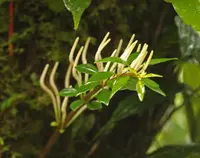
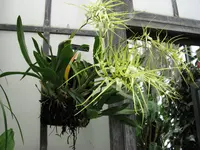
Epidendrum stamfordianum, often called Stamford's Epidendrum, is a medium-sized epiphytic orchid that typically grows attached to trees rather than in soil. It forms clumps of slender pseudobulbs with narrow leaves and produces arching spikes packed with many small, star-like flowers in warm colors.

This species is native to Central America, where it grows in bright, airy forest conditions with good air movement. It is considered moderately easy for growers who can provide stable warmth, high humidity, and reliable watering without waterlogging. Those conditions guide how to care for Stamford's Epidendrum at home.

The plant prefers bright, filtered light, quick-draining orchid media, and consistent but not excessive moisture around the roots.

Main Plant Requirements

Care Difficulty

Moderate Care

Light Preference

Partial Sun

Water Requirements

Moderate Water

Temperature Preference

Tropical / Frost Sensitive

Hardiness Zone

11–12

Soil Texture

Sandy, Rocky, Organic-rich

Soil pH

Acidic (5.5–6.5)

Soil Drainage

Well-drained

Fertilization

Moderate (every 2–4 weeks)

Get Personalized Care Plan

Scan your plant to receive care tips personalized for your specific plant

Available on iOS and Android

How to Care for the Stamford's Epidendrum

This orchid prefers bright, filtered light similar to high tree-branch levels in the wild.

  • Provide 4–6 hours of bright, indirect light daily, with gentle morning sun and protection from harsh midday rays to avoid leaf scorch.
  • Stamford's Epidendrum tolerates light dappled shade, but prolonged low light leads to weak, elongated growth and poor flowering.
  • In summer, use shade cloth or position where only filtered sun reaches the plant; in winter, increase light exposure or move closer to an unobstructed east or south-facing window.

Watering should keep the root zone moist but never stagnant.

  • Allow the top 2–3 cm of the growing medium to dry slightly between waterings, then water thoroughly so excess drains away quickly.
  • In active growth and warm weather, expect to water more often, while in cooler seasons reduce frequency once growth slows and surfaces stay damp longer.
  • Epidendrum stamfordianum shows underwatering through wrinkled pseudobulbs and dry leaf tips, while constant wet, heavy media and yellowing, mushy roots indicate overwatering and poor drainage.

This species prefers intermediate to warm conditions with stable, frost-free temperatures.

  • Aim for daytime temperatures of 70–80°F (21–27°C) and nighttime temperatures of 60–65°F (16–18°C) for steady growth and flowering.
  • Protect the plant from temperatures below 50°F (10°C); brief dips may be tolerated, but frost or sustained cold can damage leaves and roots.
  • It handles short heat spells up to about 90°F (32°C) if humidity is high and air moves well; in hotter periods, increase shade and avoid heat buildup around the root zone.

This orchid prefers moderately high, stable humidity to maintain healthy foliage and flower spikes.

  • Aim for 50–70% humidity; it tolerates brief dips to 40% if watering is consistent.
  • Dry air causes wrinkled pseudobulbs, crisp leaf tips, and stalled flower spike development.
  • Increase humidity with a pebble tray under the pot, grouping plants, or a small room humidifier near Stamford's Epidendrum.

Use a very free-draining, airy medium that mimics an epiphytic orchid’s natural habitat.

  • Choose a chunky mix of medium orchid bark, perlite, and a small amount of sphagnum moss for moisture balance.
  • Ensure fast drainage; water should run through in seconds and the mix should never stay waterlogged.
  • Keep pH slightly acidic to neutral (pH 5.5–7.0), which supports nutrient availability for Epidendrum stamfordianum.
  • Improve aeration by avoiding fine peat-based potting soil and adding larger bark pieces to prevent compaction.

This species is well suited to container growing when drainage and stability are managed carefully.

  • Use a relatively tall, narrow pot so the fine roots are anchored but not crowded, helping prevent wobbling flower spikes.
  • Select a heavier pot material, such as ceramic or clay, to stabilize the plant as inflorescences elongate and become top-heavy.
  • Elevate the pot slightly on pot feet or a stand so drainage holes stay clear and excess water exits rapidly after each watering.

This orchid benefits from light, consistent feeding during active growth but is sensitive to excess salts.

  • Use a balanced orchid fertilizer (such as 20-20-20) diluted to 1/4–1/2 strength for Stamford's Epidendrum.
  • Feed every 2 weeks in spring and summer when new roots and growth are developing.
  • Reduce feeding to monthly or stop entirely in fall and winter, depending on growth rate and light.
  • Flush the pot with plain water once a month to remove built-up fertilizer salts and protect roots.

Pruning Epidendrum stamfordianum focuses on hygiene and encouraging continued flowering rather than reshaping the plant.

  • Trim spent flower spikes at the base once they dry, using clean, sharp scissors or pruners.
  • Remove dead, yellowed, or damaged leaves and canes at any time to reduce disease risk.
  • In late winter or early spring, thin out obviously weak or shriveled canes, keeping strong, leafy ones.
  • Disinfect tools before and between plants with alcohol or a bleach solution to prevent pathogen spread.

This epiphytic orchid prefers snug conditions but needs occasional repotting to refresh its airy medium.

  • Plan to repot every 2–3 years in late winter or early spring, just before new root growth starts.
  • Check for crowded roots circling the pot, medium breaking down, or unexplained slow growth as repotting signals.
  • Gently free roots, trim only dead or mushy sections, and place the plant in a slightly larger pot with fresh orchid bark.
  • Keep the plant shaded and slightly on the dry side for 7–10 days after repotting to limit root stress and encourage recovery.

Propagation of this species is usually done vegetatively, as seed raising requires sterile laboratory conditions.

  • Use division in late winter or early spring when repotting established clumps.
  • Separate the plant into sections with at least 3–4 healthy canes and a good root system per division.
  • Plant each division in fresh, well-drained orchid bark and stake loosely if canes are tall or unstable.
  • Maintain warm temperatures, bright indirect light, and slightly higher humidity to support new root and shoot growth.

This orchid is frost sensitive and usually requires indoor or greenhouse conditions in climates with cold winters.

  • Move container plants indoors before temperatures drop below 50°F, and avoid any exposure to frost or freezing.
  • Provide bright, indirect light, good air movement, and slightly reduced watering through winter.
  • Maintain indoor temperatures around 60–70°F with moderate humidity to prevent stress and leaf drop.
  • Keep the potting medium just barely moist, allowing the top to dry slightly between waterings to avoid cold, wet roots.

Care Tips

Secure flower spikes

Attach developing spikes to thin stakes or horizontal supports with soft ties so the many small flowers are displayed cleanly and the pseudobulbs are not pulled over by their weight.

Use open mount

Mount the plant on cork or hardwood with a thin pad of sphagnum and hang it slightly tilted so roots dry quickly while still getting regular moisture from misting or frequent short waterings.

Adjust fertilizer in bloom

Once spikes start to form, shift to a slightly higher phosphorus orchid fertilizer and reduce nitrogen a bit to support abundant flowers without forcing soft, floppy vegetative growth.

Rotate plant seasonally

Rotate the plant by 90° every 2–3 weeks so all sides receive similar light exposure, which keeps growth and flowering more even when growing Stamford's Epidendrum near a bright window or under lights.

Inspect roots routinely

Check aerial and potting mix roots every 4–6 weeks, trimming any brown, hollow, or mushy roots with sterilized tools to prevent rot and maintain vigorous new root growth.

Common Pests and Diseases

Scale insects

This pest attaches firmly to pseudobulbs and leaf bases, sucking sap and causing yellowing, shriveling, and sticky honeydew that can lead to sooty mold. Infestations often start in the tight bracts and along flower spikes of this species.

Solution

Isolate the plant, then wipe affected areas with cotton pads soaked in isopropyl alcohol, paying special attention to pseudobulb crevices and spike nodes. Follow with 2–3 applications of a horticultural oil or insecticidal soap at 7–10 day intervals and improve light and airflow to strengthen plant resilience.

Spider mites

These insects thrive on stressed plants grown in warm, dry air, causing fine stippling, dull leaves, and webbing on the undersides of Epidendrum foliage. Symptoms include reduced flowering and a general lack of vigor if colonies are not controlled.

Solution

Rinse foliage thoroughly with lukewarm water, especially the undersides of leaves, then apply insecticidal soap or a neem-based spray every 5–7 days for several cycles. Raise humidity to 50–70%, avoid placing the plant next to hot, dry vents, and increase air movement to make conditions less favorable for mites.

Orchid mealybugs

This pest hides in leaf axils, sheaths, and among the dense flower stems, feeding on sap and leaving cottony clusters and sticky residue. Heavy infestations weaken plants and can deform new growth and spikes.

Solution

Remove visible insects with alcohol-dipped cotton swabs, then treat the whole plant, including roots and pot rim, with insecticidal soap or a systemic insecticide labeled for orchids. Repeat treatments at 7–10 day intervals and inspect new growth and flower spikes regularly as part of ongoing Epidendrum stamfordianum care.

Bacterial brown spot

This disease produces water-soaked, translucent patches on leaves and sheaths that quickly turn brown and can spread along the thin, cane-like stems. Symptoms include a soft, sometimes foul-smelling rot, especially in plants kept too wet with poor air movement.

Solution

Promptly cut away affected tissue with a sterile blade, keeping cuts into firm, healthy tissue, and discard all infected material. Keep foliage dry, water early in the day, increase air circulation, and use a copper-based bactericide on remaining plants if lesions continue to appear.

Leaf tip blight

This disease causes dark, sunken lesions starting at leaf tips or edges, often following overhead watering or sudden temperature swings. Symptoms include progressive dieback from the tip inward and premature leaf drop if humidity and wet foliage persist.

Solution

Trim off damaged leaf portions with sterilized scissors, then reduce overhead watering and avoid leaving water sitting on leaves overnight. Improve spacing and airflow around plants, maintain stable temperatures, and apply a broad-spectrum fungicide labeled for orchids if new lesions develop after cultural corrections.

Interesting Facts

Cloud forest specialist

This orchid naturally occurs in moist montane forests of Central America, often in bright but filtered light on exposed tree branches where air movement is strong and temperatures are mild year-round.

Many-flowered sprays

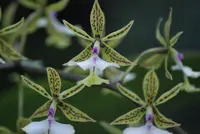
Mature plants can produce long, arching inflorescences densely packed with dozens of starry yellow to yellow-brown flowers, giving the plant a plume-like appearance in full bloom.

Fragrant daytime blooms

The flowers usually open in large numbers and release a sweet fragrance during the day, which is thought to attract diurnal pollinators such as bees.

FAQs about Stamford's Epidendrum

Lack of blooms usually comes from insufficient light, too much nitrogen fertilizer, or no cooler, drier rest in winter. Check that pseudobulbs are mature, avoid heavy feeding late in the season, and provide a slight winter temperature drop.

Grow Healthy Plants with Botan Care

Keep your plants happy and healthy with plant identification, disease detection, and easy care guidance.

Botan plant care app — identify plants on mobile

Explore More Plants