Annulohypoxylon bovei Care

Annulohypoxylon bovei

About Annulohypoxylon bovei

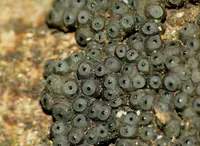
Annulohypoxylon bovei is not a typical garden plant but a wood-inhabiting fungus found on decaying hardwood, especially in temperate forests. It forms small, rounded, dark fruiting bodies tightly attached to the bark. These structures often appear in scattered clusters, giving affected wood a slightly rough, charcoal-like look. In nature it plays a decomposer role, breaking down dead wood and contributing to nutrient cycling. Gardeners and hobbyists rarely attempt to care for Annulohypoxylon bovei, since it relies on specific dead-wood substrates and natural moisture conditions. It is best viewed as a wild organism rather than a candidate for routine home cultivation.

Main Plant Requirements

Care Difficulty

Moderate Care

Light Preference

Partial Shade

Water Requirements

Moderate Water

Temperature Preference

Warm Climate

Hardiness Zone

Unknown

Soil Texture

Loamy

Soil pH

Slightly acidic (6.5–7.0)

Soil Drainage

Well-drained

Fertilization

Minimal (feed rarely)

Get Personalized Care Plan

Scan your plant to receive care tips personalized for your specific plant

Available on iOS and Android

How to Care for the Annulohypoxylon bovei

This wood-decay fungus prefers shaded woodland conditions rather than direct, open sun exposure.

  • Provide dappled or filtered light under a tree canopy, simulating 1–3 hours of weak, indirect morning sun and bright shade for the rest of the day.
  • Avoid strong midday and afternoon sun, which can dry the substrate and create temperatures that inhibit spore and mycelial development.
  • In summer, ensure consistent shade from leaf litter, logs, or branches, while in winter bare-canopy light is acceptable as long as the substrate does not dry out.

Moist but not waterlogged wood is essential for the development and persistence of this fungus.

  • Maintain consistently damp, decaying hardwood; the outer 1–2 cm of the log or branch should feel moist to the touch but never soggy or slimy.
  • Improve drainage around the substrate so standing water does not collect; brief surface wetting after rain is fine if excess water drains within a few hours.
  • In dry or hot periods, lightly hose or mist surrounding wood when it feels dry, watching for moldy, foul-smelling patches as a sign of prolonged over-saturation.

This species is adapted to temperate woodland climates with moderate temperature swings across the year.

  • Encourage growth in mild conditions around 50–75°F (10–24°C), which suit gradual colonization of dead wood and production of fruiting bodies.
  • Tolerate short drops near 32°F (0°C), but repeated hard frosts or freeze–thaw cycles can damage exposed tissues on wood surfaces.
  • Limit exposure above 86°F (30°C), since prolonged heat and drying sun can desiccate the substrate and suppress active mycelium in Annulohypoxylon bovei.

Humidity is not a significant factor for Annulohypoxylon bovei, which typically develops on naturally decaying wood in outdoor conditions.

This wood-decay fungus relies on the substrate rather than traditional soil, so focus on the right woody material instead of a potting mix.

  • Provide well-seasoned, dead hardwood logs or branches with a firm but not crumbly texture, avoiding freshly cut or living wood.
  • Ensure the wood remains evenly moist but not waterlogged by allowing rain exposure while avoiding locations where standing water collects.
  • Maintain moderate acidity if testing pH (around 5.0–6.5) by avoiding liming materials that would strongly alkalize the surrounding environment.
  • Do not bury the wood deeply in mineral soil; leave most of the surface exposed to air to maintain aeration and prevent anaerobic rot.

This species is not suitable for typical container growing, as it is a wood-decay fungus that requires dead hardwood rather than a pot-based root environment.

This wood-decay fungus grows on dead hardwood and does not require supplementary fertilization in managed landscapes.

Annulohypoxylon bovei does not need horticultural pruning because it is a saprophytic fungus rather than a conventional garden plant.

This species colonizes dead wood in situ, so repotting or transplanting is not part of normal management.

  • Leave fruiting bodies undisturbed on their host logs or branches, as movement can disrupt the fungal network in the wood.
  • If wood must be moved for safety reasons, relocate the entire log intact instead of chipping or cutting it into small pieces.
  • For observational or educational displays, place colonized wood in a shaded, humid spot and avoid rapid drying or overheating.

Intentional propagation of this fungus is rarely undertaken outside specialist or research contexts, so home techniques are not standardized.

Outdoor populations of this wood-inhabiting fungus are cold hardy and require no special winter care in typical temperate climates.

Care Tips

Select suitable substrate

Establish this fungus on well-decayed hardwood logs or branches that are already colonized by compatible wood-decay fungi, since fresh or resinous wood will significantly slow or prevent successful establishment.

Maintain log hygiene

When introducing this species to new wood, use clean tools and avoid logs with visible mold contamination or chemical treatments, which can outcompete or damage the developing mycelium.

Control moisture exposure

Position inoculated wood where it receives natural rainfall and airflow but is not in direct soil contact, for example raised slightly on bricks, to reduce prolonged waterlogging and competing soil fungi.

Use shade layering

Arrange logs in a single or low stack under consistent dappled shade so that air moves freely between pieces while the wood surface remains protected from rapid drying by sun and wind.

Monitor colonization progress

Check logs a few times per year for firm, well-attached stromata and discard pieces that remain soft, foul-smelling, or excessively moldy, which indicates that other organisms have overtaken the substrate and will not support growing Annulohypoxylon bovei effectively.

Common Pests and Diseases

Wood decay competition

This disease reflects the competitive exclusion and replacement of other wood-decay fungi on dead or dying hardwood by this species. Symptoms include dark, crust-like stromata on bark or exposed wood and loss of existing fungal diversity on the same substrate.

Solution

Management focuses on early removal and proper disposal of heavily colonized branches or logs to reduce spread on high-value habitat trees. Avoid leaving freshly cut hardwood debris in shaded, humid areas if the goal is to limit expanding colonies, and instead chip, compost hot, or remove the material from the site.

Secondary bark colonizers

These fungi act as secondary colonizers on bark that has already been weakened or killed by primary canker or wilt pathogens. Symptoms include small, hard, blackish cushions or crusts forming on areas of bark that were previously diseased or girdled.

Solution

To manage this complex, identify and control the primary bark disease first through pruning to healthy wood and sanitation. Remove and destroy severely affected limbs, maintain tree vigor through proper watering and mulching, and improve airflow to keep bark surfaces drier and less favorable for mass colonization.

Interesting Facts

Specialist on beech

This species is most often found on dead or decaying European beech wood, where it develops dense clusters of hard, dark stromata that slowly replace the wood surface.

Fire-follower fungus

Like several close relatives, it can colonize wood in sites influenced by past fire, with its tough, carbonaceous tissues adapted to withstand exposure on sunlit, dry, dead trunks.

Ascospores in dry weather

Its microscopic ascospores are produced inside tiny flask-shaped perithecia embedded in the stroma and are typically released during dry, warm periods rather than in heavy rain.

FAQs about Annulohypoxylon bovei

This fungus is not a vigorous spreader in managed gardens. It typically appears on already dead or decaying wood, forming small, scattered colonies. It depends on suitable woody substrate rather than actively invading healthy plants or soil.

Grow Healthy Plants with Botan Care

Keep your plants happy and healthy with plant identification, disease detection, and easy care guidance.

Botan plant care app — identify plants on mobile

Explore More Plants