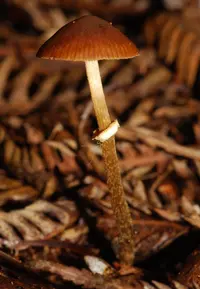
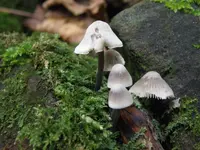
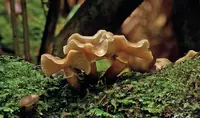
Coprin de Romagnesi Care (Coprinopsis romagnesiana)

Coprin de Romagnesi

About Coprin de Romagnesi

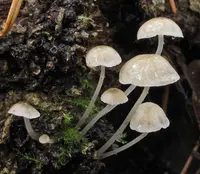
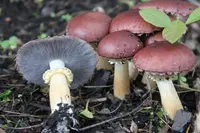
Coprinopsis romagnesiana, often called Coprin de Romagnesi, is a small, short-lived inkcap fungus rather than a typical leafy houseplant. It produces delicate, bell-shaped caps that quickly darken and dissolve into a black, inky fluid as the spores mature.

This species usually appears in nutrient-rich soils, wood chips, compost, or decaying plant material in temperate regions, often in urban gardens, lawns, and park edges. Its rapid, ephemeral growth means it is not a long-term ornamental feature and can be difficult to maintain on purpose.

Those who want to learn how to care for Coprin de Romagnesi should know it favors moist, organic-rich substrates and stable outdoor conditions rather than controlled indoor culture.

Main Plant Requirements

Care Difficulty

Moderate Care

Light Preference

Partial Shade

Water Requirements

Keep Soil Moist

Temperature Preference

Cool Climate

Hardiness Zone

Unknown

Soil Texture

Loamy, Organic-rich

Soil pH

Acidic (5.5–6.5)

Soil Drainage

Moist but well-drained

Fertilization

Minimal (feed rarely)

Get Personalized Care Plan

Scan your plant to receive care tips personalized for your specific plant

Available on iOS and Android

How to Care for the Coprin de Romagnesi

This saprophytic mushroom prefers low to moderate light rather than direct sun exposure.

  • Site Coprin de Romagnesi in dappled shade or bright, indirect light, similar to a woodland edge or north/east-facing exposure outdoors.
  • Aim for 2–4 hours of soft morning sun at most; strong midday or afternoon sun can dry the substrate quickly and inhibit fruiting.
  • In summer, provide more shade or leaf litter cover, while in cooler seasons slightly brighter, filtered light can help maintain steady development.

This species needs consistently moist, but not waterlogged, organic substrate to form healthy fruiting bodies.

  • Maintain evenly moist conditions in leaf litter, compost, or manure-rich substrates, allowing only the top 1–2 cm to dry slightly between thorough soakings.
  • During warm, windy, or dry periods, increase misting or gentle watering, focusing on keeping the substrate damp rather than spraying directly on developing caps of Coprinopsis romagnesiana.
  • Watch for signs of overwatering such as sour odors, standing water, or slimy substrate, and for underwatering when surfaces become pale, crusted, or pull away from surrounding soil.

This mushroom fruits best in cool to mild conditions rather than temperature extremes.

  • Target an active growth and fruiting range of 55–68°F (13–20°C), which reflects typical spring and autumn conditions in temperate climates.
  • Short exposures down to about 40°F (4°C) may be tolerated in substrate, but hard frost below 32°F (0°C) can damage or halt fruiting structures.
  • Sustained heat above 77–80°F (25–27°C) tends to slow or stop fruiting, so provide shade, mulch, and moisture buffering during hot spells.

Humidity plays a minor role for Coprinopsis romagnesiana, which thrives more on correct moisture in its substrate than on air humidity.

Coprinopsis romagnesiana prefers moist, loose, organic-rich substrate rather than traditional garden soil.

  • Use a mix of well-decayed wood chips, leaf litter, and compost to mimic naturally decomposing woodland material.
  • Maintain a soft, crumbly structure that holds moisture but still allows air pockets around developing mycelium.
  • Keep drainage moderate; the substrate should stay evenly moist but never waterlogged or submerged in standing water.
  • Avoid compacted mineral soil, heavily fertilized mixes, and very alkaline conditions, which reduce fungal activity and colonization.

This species can be grown in containers if the substrate depth and moisture are controlled carefully.

  • Choose a wide, shallow tub or box so the colonized substrate forms a broad surface for fruiting rather than a deep column.
  • Drill multiple side and bottom holes to allow slow drainage and gas exchange without letting the substrate dry out too quickly.
  • Use opaque or dark-sided containers to protect developing mycelium from excess light and surface heating, which can dry the top layer.

This saprophytic fungus grows by decomposing organic matter and usually needs no direct fertilization in gardens or naturalized sites.

Coprinopsis romagnesiana does not require true pruning, but simple hygiene improves appearance and reduces unwanted spread.

  • Remove spent, liquefying fruiting bodies with clean gloves or a small knife as soon as caps begin to deliquesce
  • Collect and discard heavily decomposed clusters to limit spore dispersal if the patch is too dense
  • Avoid disturbing the underlying mycelium in the soil or wood, as this is the main living body
  • Use gentle handling rather than cutting tools when possible to prevent scattering inky spores

This inkcap is usually grown in situ on soil or wood rather than in pots, so management focuses on relocating substrate instead of classic repotting.

  • Transplant when the substrate log, woodchip bed, or compost heap is exhausted and fruiting declines noticeably
  • Best timing is in cool, moist weather during spring or fall to reduce drying stress on the mycelium
  • Move chunks of colonized substrate into fresh, similar organic matter without breaking them apart excessively
  • Keep the new site evenly moist and shaded for several weeks so the mycelium can re-establish and spread

Reproduction of this inkcap centers on spores and movement of colonized substrate rather than conventional plant-style propagation.

  • Allow mature caps to shed spores over moist, nutrient-rich organic matter such as woodchips or compost in spring or fall
  • Alternatively, transfer pieces of well-colonized substrate to a new location with similar moisture and shade
  • Maintain high humidity and consistent moisture without waterlogging to support mycelial growth
  • Avoid direct sun and frequent disturbance, which can dry and fragment the developing colony

This fungus is naturally adapted to temperate climates and generally needs no special winter care outdoors.

  • Mycelium in soil or decaying wood usually tolerates normal frost as long as the substrate does not freeze solid for long periods
  • A light mulch of leaves or woodchips helps buffer temperature swings and moisture loss
  • Container cultures, if used for growing Coprinopsis romagnesiana, are best overwintered in a cool, frost-free but not heated space

Care Tips

Use fresh substrate

Prepare small batches of pasteurized straw, manure, or woodchip substrate shortly before inoculation, as this fast-growing inkcap performs best on fresh, clean organic matter with minimal competing fungi.

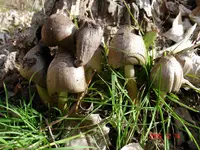
Control decomposition stage

Choose medium-aged, partially decomposed organic matter rather than fully fresh or fully rotted material, since moderate decomposition offers both structure and nutrients that favor Coprinopsis romagnesiana over slower competitors.

Staggered inoculation spots

In outdoor beds or piles, insert spawn in several small pockets rather than one large cluster to create multiple colonization centers and increase the chance that at least some zones fruit well despite local competition or drying.

Moisture-shielding mulch

After colonization has started, apply a very thin, loose mulch layer (such as fine straw or leaf litter) over the bed to help stabilize surface moisture without packing it down, which supports more even fruiting.

Short harvest window

Check developing mushrooms several times a day during fruiting and harvest caps promptly as they expand and just before inky autodigestion begins, since caring for Coprin de Romagnesi includes timing harvests carefully to obtain usable specimens.

Common Pests and Diseases

Fungus gnats

These insects are strongly attracted to damp, decaying organic matter where Coprinopsis romagnesiana is fruiting or being cultivated. Adults are nuisance fliers, while larvae feed in the substrate and can slow mycelial growth.

Solution

Allow the top layer of the growing substrate or casing to dry slightly between waterings, remove standing water, and improve air movement around trays or beds. Use yellow sticky traps to reduce adult numbers and, if needed, apply a biological control such as Bacillus thuringiensis israelensis (Bti) or predatory nematodes directly to the substrate according to label directions.

Sciarid fly larvae

This pest lives in moist mushroom substrates and can tunnel through developing fruiting bodies, causing deformed or prematurely liquefying caps. Heavy infestations may reduce yield and spread contaminants through the culture.

Solution

Cover colonizing substrates with fine mesh or breathable covers to exclude adult flies and avoid leaving substrate exposed with bright lights that attract insects. Remove and discard heavily infested blocks, keep the grow area clean of spilled substrate, and consider introducing biological controls such as Hypoaspis (Stratiolaelaps) mites into the substrate for ongoing suppression.

Green mold (Trichoderma)

This disease appears as dense, bright to dark green patches on the substrate near or between mushroom clusters, often outcompeting the Coprinopsis mycelium. Symptoms include reduced or aborted fruiting and a musty odor.

Solution

Promptly remove and discard any substrate showing active green patches and the surrounding margin to limit spore spread. Improve hygiene by sterilizing or thoroughly pasteurizing substrates, using clean tools, increasing fresh air exchange, and reducing excessive moisture to give the desired mycelium a competitive advantage, which is key in Coprinopsis romagnesiana care instructions.

Bacterial blotch

This disease causes water-soaked, slimy, yellowish to brown spots on caps, which can quickly break down in a species that already deliquesces naturally. Symptoms include greasy patches where water has stood on the mushroom surface.

Solution

Reduce overhead misting and avoid water droplets standing on caps by using finer mist, shorter cycles, and good air circulation. Remove and discard affected fruiting bodies, disinfect surfaces and tools, and maintain high humidity with moving air rather than stagnant, wet conditions.

Interesting Facts

Ink cap deliquescence

Mature fruiting bodies undergo rapid autodigestion, where the gills and cap liquefy into a dark ink-like fluid, a process that helps disperse spores over a short time window.

Preference for woody debris

This species is strongly associated with well-rotted wood chips, sawdust, or buried woody debris in nutrient-rich, disturbed habitats such as garden beds and woodchip mulches.

Distinctive veil remnants

It typically shows ochre to brown fibrillose or scaly veil remnants on the young cap, which helps distinguish it from several similar greyish ink cap species in the field.

FAQs about Coprin de Romagnesi

This ink cap is generally considered inedible and not recommended for consumption. Identification of small brown mushrooms is difficult, and confusion with toxic species is common, so they should be treated as non-edible for safety.

Grow Healthy Plants with Botan Care

Keep your plants happy and healthy with plant identification, disease detection, and easy care guidance.

Botan plant care app — identify plants on mobile

Explore More Plants