Stinking Dapperling Care (Lepiota cristata)

Stinking Dapperling

About Stinking Dapperling

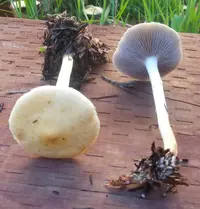
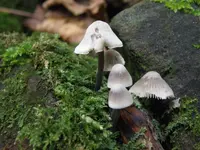
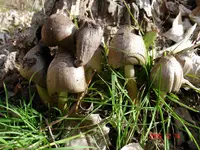
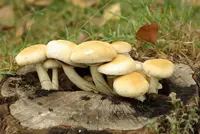
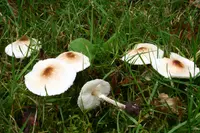
Stinking dapperling, Lepiota cristata, is a small, saprophytic mushroom that breaks down organic matter rather than living as a green plant. It forms slender stems with small, brownish, scaly caps and white gills, often found in lawns, garden beds, and woodland edges.

This species occurs widely in temperate regions, especially in nutrient-rich, disturbed soils and mulched areas. It can appear suddenly after rain, then disappear just as quickly.

Because it is a fungus with specific decay-based nutrition needs, it is not easy to manage or cultivate intentionally. Gardeners usually do not try to care for Stinking Dapperling, but instead accept it as a natural part of soil life.

Main Plant Requirements

Care Difficulty

Moderate Care

Light Preference

Partial Shade

Water Requirements

Keep Soil Moist

Temperature Preference

Cool Climate

Hardiness Zone

Unknown

Soil Texture

Loamy, Silty, Organic-rich

Soil pH

Acidic (5.5–6.5), Slightly acidic (6.5–7.0)

Soil Drainage

Moist but well-drained

Fertilization

Minimal (feed rarely)

Get Personalized Care Plan

Scan your plant to receive care tips personalized for your specific plant

Available on iOS and Android

How to Care for the Stinking Dapperling

This fungus prefers low to moderate light typical of woodland or lawn edge habitats rather than direct, open sun.

  • Provide bright shade or dappled light under grasses, low shrubs, or light tree canopy, with no more than 1–2 hours of gentle early morning sun.
  • Avoid strong midday or afternoon sun, which can dry the substrate quickly and cause Stinking Dapperling caps to fade, crack, or collapse prematurely.
  • In summer, choose east- or north-facing edges of lawns or beds; in cooler seasons, slightly more open but still filtered light works well.

Lepiota cristata fruits best in consistently moist, not waterlogged, soil or turf.

  • Maintain evenly moist ground, allowing only the top 2–3 cm to start drying between natural rains or supplemental watering.
  • Use well-drained, humus-rich soil; standing water, foul smell, or slimy mycelium indicate overwatering and poor aeration.
  • Slow cap development, dry cracking caps, and shrinking gills suggest the substrate is too dry; increase deep, infrequent soakings, especially in warm, windy weather.

This species fruits in mild conditions and is sensitive to both hard frost and extreme heat.

  • Optimal fruiting occurs around 55–70°F (13–21°C), often in spring and fall when soil and air temperatures are cool to mild.
  • It tolerates short dips near 40°F (4°C) but hard frost can damage or kill fruiting bodies, so cropping usually stops after repeated freezes.
  • Sustained heat above 80°F (27°C) with dry soil suppresses fruiting; partial shade and consistent moisture help during brief warm spells.

Humidity is not a practical control factor for Lepiota cristata, which fruits outdoors in naturally fluctuating air moisture.

Lepiota cristata develops in moist, organic-rich ground rather than in fixed horticultural potting mixes.

  • This saprotrophic fungus colonizes humus-rich, leaf-littered or wood chip layers where fine particles and decaying matter hold steady moisture.
  • Loose, crumbly structure with abundant organic debris supports air flow around the mycelium while still retaining capillary moisture.
  • Slightly acidic to neutral conditions around pH 5.5–7.0 are typical where this species appears in lawns, borders, and mulched areas.
  • Avoid compacted, waterlogged, or heavily salted soils, which limit oxygen diffusion and can quickly damage the fungal network.

This species is not suitable for routine container growing, as it naturally fruits from soil or mulch in the ground rather than confined pots.

Lepiota cristata, known as the Stinking Dapperling, is a wild saprophytic mushroom that normally does not need deliberate fertilization in gardens or containers.

Pruning Lepiota cristata is not a standard horticultural practice, since the fungus fruits briefly and then decomposes naturally.

Transplanting Lepiota cristata is rarely practical, as this fungus depends on an established underground mycelium within organic-rich soil or mulch.

  • Avoid disturbing areas where fruiting bodies appear, since digging can damage the hidden mycelial network that supports future mushrooms.
  • If relocation is necessary during landscaping, move the intact soil or woodchip layer rather than individual mushrooms.
  • Plan any soil replacement or bed reconstruction for cool, moist periods to reduce mycelium desiccation.
  • After disturbance, maintain even moisture and retain leaf litter or mulch so the fungus can re-establish if conditions remain suitable.

Propagation of Lepiota cristata is not recommended for home cultivation, and intentional spread is discouraged due to its toxic nature.

Lepiota cristata requires no specific winter care, as it persists mainly as a cold-tolerant mycelium in soil or organic debris.

Care Tips

Spore Containment

Grow this fungus in a sealed or tightly covered container with limited air exchange to reduce accidental spore spread and avoid unwanted colonies in other substrates.

Dedicated Work Area

Handle substrate preparation, inoculation, and disposal in a single, easy-to-clean area so spores and contaminated material do not spread into living spaces or other cultivation projects.

Hygienic Disposal

After each flush, seal spent substrate and fruiting bodies in a bag before discarding, and disinfect trays or containers to limit lingering spores and competing fungi.

Substrate Segregation

Do not reuse tools, containers, or substrate from this species for edible mushrooms; keep equipment clearly labeled to avoid cross-contamination and accidental consumption.

Ventilation Management

Use localized extraction (such as a small fan venting outdoors or a fume hood-style setup) when harvesting or handling caps, since caring for Stinking Dapperling benefits from keeping airborne spores away from frequently occupied rooms.

Common Pests and Diseases

Mycophagous springtails

These insects often graze on the fruiting bodies and mycelium of small saprotrophic mushrooms, leaving pitted or roughened surfaces. This pest typically thrives in consistently moist, organic-rich substrates used for growing Stinking Dapperling.

Solution

Limit excess moisture, improve drainage, and reduce decaying organic debris on the culture surface. If needed, physically remove heavily infested fruiting bodies and use fine mesh or tight-fitting lids with air holes to reduce access while maintaining airflow.

Fungus gnats

These insects are attracted to damp, organic-rich substrates and lay eggs in them, and their larvae may tunnel through mycelium and young fruiting bodies. Symptoms include small black flies hovering near trays and soft, damaged mushroom tissue at the base.

Solution

Allow the upper layer of the substrate to dry slightly between misting, use yellow sticky traps to catch adults, and cover vents with fine mesh. Where pressure is high, introduce biological controls such as Bacillus thuringiensis israelensis (Bti) in the moist substrate according to label instructions.

Mite infestation

This pest includes tiny mycophagous mites that feed directly on mushroom tissue and mycelium, causing deformed caps, poor expansion, or patchy, grazed areas. This pest often appears when cultures are kept in very humid, poorly ventilated conditions near compost or soil.

Solution

Discard heavily infested containers, clean the growing area thoroughly, and avoid storing cultures close to compost or houseplants. Reduce overcrowding, maintain good airflow, and if needed, use predatory mites sourced from biological control suppliers as a targeted, non-residual option.

Green Trichoderma mold

This disease is caused by Trichoderma species that colonize the same substrate as Lepiota cristata, forming dense white growth that turns bright green as spores develop. Symptoms include stunted or aborted mushrooms where green patches overrun the substrate surface.

Solution

Promptly remove and discard any substrate showing green patches, along with nearby contaminated materials. Between batches, clean and disinfect containers and tools, use pasteurized or properly sterilized substrate, and reduce excessive moisture and stagnant air that favor Trichoderma spread.

Bacterial blotch

This disease appears on caps as greasy, water-soaked, or yellow-brown spots, often developing where water remains on the mushroom surface for long periods. Symptoms include soft, slimy lesions and rapid deterioration of affected fruiting bodies.

Solution

Avoid overhead misting that leaves free water on caps; instead, maintain humidity by moistening the surrounding environment. Remove and discard affected mushrooms, increase gentle airflow to dry surfaces quickly, and clean culture containers and tools with a mild disinfectant between flushes to reduce bacterial load.

Interesting Facts

Almond-to-rancid odor

Mature fruiting bodies release a strong smell often described as almond-like at first, turning rancid or rubbery as they age, which helps distinguish this species from many other small, brownish Lepiota mushrooms.

Highly poisonous gills

This species contains amatoxins, the same lethal cyclic peptides found in the death cap Amanita phalloides, and its free, white gills hold enough toxin to cause severe liver damage if eaten.

Urban lawn specialist

It commonly fruits in nutrient-rich, disturbed soils such as lawns, parks, and garden beds, often appearing in small scattered groups or loose arcs from late summer into fall in temperate regions.

Botan icon

Did you know?

Lepiota cristata has been repeatedly implicated in mushroom poisoning cases worldwide because its small size, scaly cap, and sometimes pleasant initial odor can cause it to be mistaken for edible lawn mushrooms, despite its potentially fatal toxicity.

FAQs about Stinking Dapperling

Yes. This mushroom contains dangerous toxins that can cause severe gastrointestinal distress and potentially life-threatening liver or kidney damage. It must never be eaten, and children and pets should be kept from handling or ingesting it.

Grow Healthy Plants with Botan Care

Keep your plants happy and healthy with plant identification, disease detection, and easy care guidance.

Botan plant care app — identify plants on mobile

Explore More Plants