Corrugated-cap Milky Care (Lactifluus corrugis)

Corrugated-cap Milky

About Corrugated-cap Milky

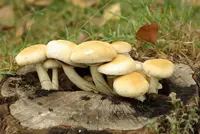
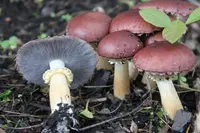
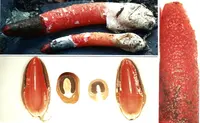
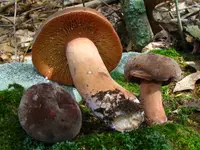
Lactifluus corrugis, commonly called corrugated-cap milky, is a gilled mushroom rather than a true plant. It forms sturdy, medium-sized fruiting bodies with brown, wrinkled caps and white milk-like latex when cut.

This species typically appears on the forest floor in mixed hardwood and deciduous woodlands, often near oaks, in warm, humid regions of eastern North America. It usually grows in scattered groups during the main mushroom season.

Lactifluus corrugis is considered an edible fungus by some foragers, but it can be confused with less desirable relatives, which makes identification skill important. It prefers moist, well-drained, organic-rich soil and stable woodland shade, and those factors guide how to care for Corrugated-cap Milky in managed landscapes or mycological gardens.

Main Plant Requirements

Care Difficulty

Hard Care

Light Preference

Shade

Water Requirements

Keep Soil Moist

Temperature Preference

Warm Climate

Hardiness Zone

Unknown

Soil Texture

Loamy, Organic-rich, Peaty

Soil pH

Strongly acidic (4.5–5.5)

Soil Drainage

Moist but well-drained

Fertilization

Minimal (feed rarely)

Get Personalized Care Plan

Scan your plant to receive care tips personalized for your specific plant

Available on iOS and Android

How to Care for the Corrugated-cap Milky

This mycorrhizal fungus prefers shaded forest conditions rather than direct open sun.

  • Provide dappled or filtered light under deciduous trees, mimicking woodland understory, with no more than 1–2 hours of gentle morning sun.
  • Avoid direct midday or afternoon sun, which can dry the leaf litter and upper soil, reducing fruiting of Corrugated-cap Milky and stressing its host tree roots.
  • In summer, ensure canopy or shrub cover increases as sun intensity rises; in early spring or late fall, brief higher light levels are usually tolerated.

Moist, humus-rich forest soil is critical for stable fruiting of this ectomycorrhizal fungus.

  • Aim for consistently moist but not waterlogged soil, where the top 2–5 cm of leaf litter feels damp to the touch but does not squish or pool water.
  • Improve natural drainage with loose leaf litter and woody debris; avoid compacted, puddling sites that can cause anaerobic, sour-smelling soil conditions.
  • During hot, dry periods, monitor for crisp, brittle leaf litter and shrinking caps as signs of dryness; excessive standing water or foul odor signals overwatering from poor drainage.

This woodland fungus thrives in warm, humid conditions typical of late summer and early fall.

  • Optimal fruiting occurs around 68–80°F (20–27°C), with mycelium activity supported by consistently moist, moderately warm soil.
  • It tolerates down to about 40°F (4°C) in the soil but fruiting bodies decline quickly near freezing; repeated frosts can end the season.
  • Short heat spells up to about 86°F (30°C) are usually tolerated if soil stays moist and shaded, but prolonged high heat with dry soil sharply reduces Lactifluus corrugis production.

This ectomycorrhizal fungus relies on consistently moist, humid forest conditions rather than controlled indoor humidity.

  • Thrives in 70–95% humidity under leaf litter or moss, where evaporation is naturally slowed.
  • Tolerates brief drier spells, but prolonged air below 60% with exposed substrate causes caps and substrate to dry and crack.
  • To increase humidity outdoors, deepen leaf-litter mulch, maintain shaded canopy, and use coarse wood chips to retain surface moisture.

Lactifluus corrugis fruits best in undisturbed, organic-rich forest soil rather than artificial mixes.

  • Aim for a loose, well-aerated loam rich in decomposing leaf litter over a stable mineral subsoil, avoiding compacted or heavily tilled ground.
  • Ensure free drainage; water should percolate through within seconds, with no standing puddles or persistent sogginess at the surface.
  • Favors slightly acidic soil, around pH 5.0–6.5, typically found under hardwoods such as oaks and beeches.
  • Enhance structure by top-dressing with shredded leaves, rotted wood chips, and small amounts of compost, avoiding manure-heavy or high-salt amendments.

This species is not realistically suitable for container growing because it depends on complex mycorrhizal relationships with tree roots in undisturbed soil.

This mycorrhizal fungus does not require routine fertilization when grown in soil with a suitable host tree.

Lactifluus corrugis does not need conventional pruning because it is a wild mycorrhizal fungus, not a landscape plant.

This species is not suited to standard repotting, as it lives in symbiosis with tree roots rather than as an independent potted organism.

  • Avoid attempting to grow Lactifluus corrugis in containers; it relies on living tree roots for nutrition and stability.
  • If moving soil, avoid disturbing known host tree root zones where the fungus fruits.
  • For study or observation, leave fruiting bodies in place and collect only minimal tissue if permitted.
  • Minimize soil compaction and excavation around host trees to maintain the underground mycelium.

Propagation of this fungus is specialized and not practical for typical home cultivation.

No specific winter care is needed, as the underground mycelium in suitable climates is naturally cold hardy.

Care Tips

Spore-friendly placement

Site cultivation logs or trays in a sheltered, shaded area of the garden or woodland edge where leaf litter can remain undisturbed, allowing spores to disperse and naturally inoculate nearby suitable host tree roots.

Host tree selection

Prioritize planting or using established oaks, beeches, or other native hardwoods as host trees, since this fungus forms mycorrhizae with specific broadleaf species and will not fruit reliably on unsuitable conifers or isolated lawn trees.

Minimal soil disturbance

Avoid rototilling, deep raking, or heavy foot traffic in the inoculated zone around host trees so the fine mycorrhizal roots and fungal network remain intact and can support stable fruiting over multiple seasons.

Leaf litter management

Maintain a thin, continuous layer of natural leaf litter over the colonized area, adding autumn leaves instead of removing them to help conserve moisture, moderate soil temperature, and provide organic matter that supports the fungal habitat.

Harvesting technique

When harvesting, cut fruiting bodies at the base with a clean knife rather than pulling them up, and leave smaller specimens and some mature caps behind so the underground mycelium is less disturbed and spore production continues, which supports long-term success when growing Lactifluus corrugis.

Common Pests and Diseases

Mycophagous springtails

These insects feed on fungal tissue, sometimes clustering on fruiting bodies and causing shallow pitting or surface scarring. Symptoms include small irregular bites, roughened caps, and a slightly frayed margin on young mushrooms.

Solution

Limit chronically wet, stagnant microhabitats by improving air movement and avoiding heavy disturbance of the forest litter where the mycelium grows. Where collections are being cultivated or observed in controlled beds, gently remove heavily infested fruiting bodies and reduce organic debris density to make the site less favorable to large springtail populations while still maintaining the moist, humus-rich conditions needed for growing Lactifluus corrugis.

Slug and snail grazing

These mollusks rasp the cap and gills, leaving large, irregular holes, slime trails, and sometimes complete loss of young fruiting bodies. Symptoms include shredded or missing cap margins and silvery mucus on nearby leaf litter.

Solution

Hand-pick slugs and snails during damp evening or early morning periods and remove nearby cover such as boards or dense ground debris that shelters them. In outdoor observation or semi-managed woodland beds, use physical barriers like copper tape around small plots or rough, dry mulches to discourage grazing while keeping the underlying soil moisture suitable for caring for Corrugated-cap Milky.

Fungal parasitism (Hypomyces spp.)

This disease appears as a white, yellow, or orange crust over parts of the cap and gills that gradually deforms and hardens the fruiting body. Symptoms include loss of normal gill structure, off-color patches, and a powdery or crusty surface that may spread to adjacent mushrooms.

Solution

Promptly remove and discard parasitized mushrooms, including any directly touching them, to reduce spore spread within the immediate patch. Avoid piling decaying, infected fruiting bodies in the same area; instead, dispose of them away from collection or study sites so healthy L. corrugis fruiting remains dominant in the fungal community.

Insect larval tunneling

This pest group includes fly and beetle larvae that bore through the stem and cap, leading to soft, waterlogged tissues and premature collapse of the mushroom. Symptoms include small entry holes, internal tunnels, and dark, mushy sections when the fruiting body is cut open.

Solution

Monitor developing mushrooms frequently and harvest or document them soon after full expansion, before larvae complete their development. In small managed patches, remove and discard heavily tunneled fruiting bodies and keep surrounding litter slightly less compact to reduce breeding sites for fungus gnats and related insects while still maintaining adequate moisture.

Interesting Facts

Rusty milk exudation

When the gills are damaged, this species produces copious white latex that quickly turns reddish brown on exposure to air, a key field trait that separates it from many other milkcap fungi.

Corrugated cap surface

Mature fruiting bodies often show a conspicuously wrinkled or corrugated cap surface, especially in moist conditions, which inspired both the scientific epithet corrugis and the common name corrugated-cap milky.

Mycorrhizal oak partner

This fungus forms ectomycorrhizal associations with hardwoods, especially oaks, in eastern North American forests, helping trees take up water and mineral nutrients while receiving sugars from the host roots.

Botan icon

Did you know?

In parts of the southern United States, foragers traditionally regard this species as an edible wild mushroom, but field guides often classify it as edible with caution because it can be confused with similar Lactifluus species that are less desirable or poorly studied, so expert identification is recommended before consumption.

FAQs about Corrugated-cap Milky

This mushroom is generally considered edible when properly identified and thoroughly cooked, but it can be confused with toxic look-alikes. Only experienced foragers should harvest it, and local expert confirmation is strongly recommended before eating any wild specimen.

Grow Healthy Plants with Botan Care

Keep your plants happy and healthy with plant identification, disease detection, and easy care guidance.

Botan plant care app — identify plants on mobile

Explore More Plants