littleleaf pussytoes Care (Antennaria microphylla)

Also known as: white pussytoes (littleleaf pussytoes)
littleleaf pussytoes

About littleleaf pussytoes

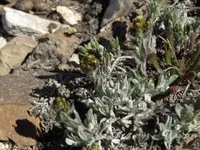
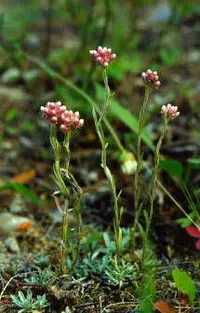
Littleleaf pussytoes (Antennaria microphylla) is a low, mat-forming perennial known for its silvery foliage and small, fuzzy flower heads that resemble tiny cat paws. It typically forms dense ground-hugging carpets that help suppress weeds and stabilize soil.

This species is native to dry, open habitats in western North America, including rocky slopes, grasslands, and open woodlands. It is adapted to lean, well-drained soils and tolerates drought once established.

The plant grows slowly but is generally easy to maintain when given full sun, low to moderate moisture, and good drainage. Gardeners who care for littleleaf pussytoes often value it for its durability, cold hardiness, and low nutrient needs.

Main Plant Requirements

Care Difficulty

Easy Care

Light Preference

Full Sun

Water Requirements

Low Water

Temperature Preference

Cold Hardy

Hardiness Zone

3–9

Soil Texture

Sandy, Loamy, Rocky

Soil pH

Slightly acidic (6.5–7.0), Neutral (7.0)

Soil Drainage

Well-drained

Fertilization

Minimal (feed rarely)

Get Personalized Care Plan

Scan your plant to receive care tips personalized for your specific plant

Available on iOS and Android

How to Care for the littleleaf pussytoes

This alpine perennial prefers bright, open conditions that mimic dry meadows and rocky slopes.

  • Provide 6–8 hours of direct sun daily in cool or temperate climates; in hotter regions, aim for full morning sun with light afternoon shade.
  • Plant littleleaf pussytoes in exposed spots where nearby plants or structures do not cast dense shade for long periods.
  • Watch foliage color and density: leggy, thin growth and sparse flowering indicate insufficient light, while scorched, bleached leaves suggest intense, reflected afternoon sun.

This species is drought-tolerant and needs infrequent, light watering once established.

  • Allow the soil to dry thoroughly between waterings; in typical garden loam, wait until at least the top 5 cm feels dry before adding water.
  • Prioritize very sharp drainage using sandy or gravelly soil, raised beds, or rock garden conditions to reduce the risk of root rot in Antennaria microphylla.
  • Reduce or stop supplemental watering in fall and winter, and monitor for stress signs such as limp, shriveled leaves (too dry) or yellowing, mushy crowns (too wet).

This plant is a cold-hardy perennial adapted to exposed, seasonal climates.

  • Active growth occurs best around 55–75°F (13–24°C), with flowering and compact mats forming well under cool to mild spring conditions.
  • The plant tolerates winter lows near -20°F (-29°C) when soil drains well, making it suitable for many cold-winter regions and rock gardens.
  • Heat tolerance extends to about 85–90°F (29–32°C) if soil stays dry to slightly dry and the site offers some relief from reflected afternoon heat.

This species is adapted to dry, open sites and does not require elevated humidity.

  • Target 30–40% humidity, similar to typical indoor air in heated homes.
  • Littleleaf pussytoes tolerates very dry air but may crisp slightly at leaf tips during extreme, prolonged aridity.
  • If air is extremely dry and hot, reduce stress by avoiding hot drafts and grouping drought-tolerant plants together.

Soil for Antennaria microphylla should be dry, lean, and sharply draining.

  • Use a gritty, sandy mix, such as 50–60% mineral material (coarse sand, small gravel) blended with 40–50% low-organic potting mix.
  • Aim for slightly acidic to neutral pH around 6.0–7.2, avoiding highly acidic or strongly alkaline substrates.
  • Increase aeration and drainage by adding extra perlite or pumice and ensuring no fine, water-holding peat dominates the mix.
  • Avoid heavy clay, high-peat, or constantly moist soils, which promote root and crown rot in this alpine-style species.

This species can grow in containers if the pot and substrate mimic its dry, rocky habitat.

  • Select a wide, shallow container to accommodate its spreading mat habit without forcing roots into deep, moisture-holding zones.
  • Choose unglazed terracotta or similarly porous material so the mix dries quickly between waterings.
  • Elevate the pot or use pot feet so drainage holes stay clear and runoff moves away fast after rain or irrigation.

This alpine perennial is adapted to lean soils, so littleleaf pussytoes needs only light, occasional feeding in cultivation.

  • Use a low-dose, balanced NPK fertilizer (such as 10-10-10) or a thin layer of compost in spring.
  • Apply once at the start of active growth; in very poor soils, a second light feed mid-season is enough.
  • Dilute liquid fertilizer to 1/4–1/2 strength to avoid excess foliage and weak growth.
  • Skip feeding in fall and winter when growth slows or stops.

Antennaria microphylla benefits from light, targeted pruning to keep the mat compact and tidy.

  • In late spring or after flowering, shear off spent flower stalks with clean scissors or hand shears.
  • Remove dead, diseased, or winter-damaged foliage anytime you notice it.
  • Thin out crowded or overly vigorous patches to maintain airflow and defined edges.
  • Avoid cutting into the woody crown; focus on soft, leafy growth to preserve plant vigor.

This species is usually grown in the ground, so transplanting is more common than container repotting.

  • Transplant in early spring or early fall when temperatures are mild and moisture is reliable.
  • Move plants if growth stalls, clumps thin out, or roots circle a container drain hole.
  • Lift clumps with a trowel, keeping roots intact, and replant at the same depth in gritty, well-drained soil.
  • Water thoroughly after planting, then keep slightly moist for 1–2 weeks to limit transplant shock.

New plants are most often produced by division, with seed and cuttings as secondary options for Antennaria microphylla.

  • Divide established clumps in early spring or early fall, replanting firm, rooted sections 15–20 cm apart.
  • Sow seeds on the surface of well-drained mix in spring; provide bright light and keep just moist until germination.
  • Take short, non-flowering stem cuttings in late spring, rooting them in a gritty, slightly moist medium.
  • Maintain good airflow and moderate light to reduce rot during rooting and early establishment.

This species is cold hardy in much of its native range and generally needs minimal winter care.

  • Tolerates typical freezing conditions in USDA zones where it is commonly grown, especially in well-drained soil.
  • In very cold or exposed sites, apply a thin, dry mulch around but not over the rosettes.
  • Ensure containers are in fast-draining, gritty mix and raised off standing water to prevent root rot.
  • In extremely harsh climates, move pots to an unheated, bright shelter to avoid freeze–thaw stress.

Care Tips

Encourage Dense Mats

Lightly pinch back the tips of longer runners in early spring to encourage side shoots, which helps the plant form a thicker, more even groundcover instead of a few sparse clumps.

Control Taller Neighbors

Plant it where nearby perennials and grasses will not shade it, or periodically cut back encroaching plants so the low rosettes keep full exposure and do not stretch or decline.

Gravel Mulch Choice

Apply a 1–2 in layer of coarse gravel around, but not over, the crowns to reduce weed pressure, improve drainage at the surface, and keep foliage drier after rain.

Seedling Establishment Zone

Leave a small, bare mineral-soil strip (no mulch, no thick compost) along the edge of existing plants to allow seedlings and creeping offsets to root and gradually expand the colony when growing littleleaf pussytoes.

Winter Wet Protection

In climates with cold, wet winters, slightly raise planting areas into low mounds or rock crevices so meltwater drains away from the crowns, reducing the risk of rot and winter loss.

Common Pests and Diseases

Leaf spot

This disease causes small tan to brown spots on older leaves and can make dense mats look patchy over time.

Solution

Remove and discard affected foliage to reduce inoculum, avoid overhead watering, and allow good air movement around the mat; if spots spread in wet weather, a light application of a sulfur or copper-based fungicide labeled for ornamental groundcovers can be used according to label directions.

Powdery mildew

This disease produces a white, dusty coating on leaves and stems, especially in shaded or crowded plantings.

Solution

Thin or divide crowded clumps to improve airflow, water at soil level, and remove the most affected leaves; in persistent cases, apply a horticultural oil or potassium bicarbonate product labeled for powdery mildew on ornamentals in cool, shaded conditions to avoid leaf burn.

Aphids

These insects cluster on tender shoots and flower stems, sucking sap and sometimes causing curling or distortion of foliage and flower buds.

Solution

Rinse off colonies with a firm stream of water, encourage natural predators like lady beetles by avoiding broad-spectrum insecticides, and if needed treat remaining clusters with insecticidal soap or a light horticultural oil, repeating as new aphids appear.

Spider mites

These pests are tiny sap suckers that create fine webbing and cause stippled, dull, or bronzed foliage, especially in hot, dry sites.

Solution

Spray foliage with a strong stream of water to dislodge mites and dust, maintain moderate humidity around the planting if possible, and use insecticidal soap or horticultural oil labeled for mites on both upper and lower leaf surfaces, repeating every 5–7 days until new growth looks clean.

Interesting Facts

Dioecious woolly dwarf

This species is dioecious, meaning male and female flowers grow on separate plants, and it forms very low, woolly mats that rarely exceed a few cm in height across dry, open habitats in western North America.

Silvery water-saving leaves

Its tiny, densely hairy leaves have a silvery appearance and reduce water loss by trapping a still layer of air on the surface, an adaptation that helps it survive on dry, exposed slopes and gravelly sites.

Specialist mountain habitat

The plant is especially associated with montane and subalpine environments, often growing in well-drained, nutrient-poor soils where few broadleaf perennials can persist long term.

Botan icon

Did you know?

This species is an important larval host for several native North American butterfly and moth species in the family Nymphalidae, whose caterpillars feed almost exclusively on pussytoes (Antennaria spp.), making its presence valuable for local pollinator and invertebrate diversity.

FAQs about littleleaf pussytoes

This species spreads slowly by short stolons, forming low mats over time. It is generally not aggressive and rarely becomes a problem. Occasional edging or lifting runners keeps clumps neatly contained in rock gardens or dry borders.

Grow Healthy Plants with Botan Care

Keep your plants happy and healthy with plant identification, disease detection, and easy care guidance.

Botan plant care app — identify plants on mobile

Explore More Plants