Anthriscus nemorosa Care

Anthriscus nemorosa

About Anthriscus nemorosa

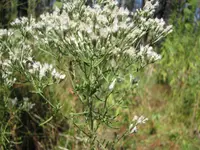
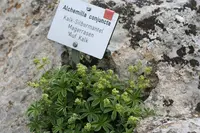
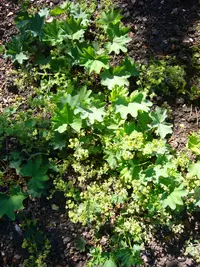
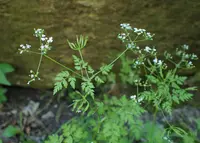
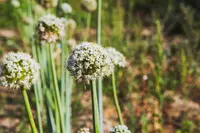
Anthriscus nemorosa is a delicate, herbaceous perennial from woodland edges and meadows across Europe and western Asia. It belongs to the carrot family and forms soft, leafy clumps. Fine, fern-like foliage and airy umbels of small white flowers give it a light, naturalistic look that suits informal borders and wild-style plantings. Plants usually create loose drifts rather than tight, formal shapes. This species prefers partial shade, consistently moist but well-drained soil, and cool to mild conditions, which makes it better suited to temperate climates. Understanding how to care for Anthriscus nemorosa starts with providing stable moisture and avoiding hot, exposed, dry sites, which can stress the plant and shorten its life.

Main Plant Requirements

Care Difficulty

Moderate Care

Light Preference

Partial Shade

Water Requirements

Moderate Water

Temperature Preference

Cool Climate

Hardiness Zone

5–8

Soil Texture

Loamy, Silty, Organic-rich

Soil pH

Acidic (5.5–6.5), Slightly acidic (6.5–7.0)

Soil Drainage

Moist but well-drained

Fertilization

Minimal (feed rarely)

Get Personalized Care Plan

Scan your plant to receive care tips personalized for your specific plant

Available on iOS and Android

How to Care for the Anthriscus nemorosa

This woodland perennial prefers soft, indirect light rather than intense full sun.

  • Provide 3–5 hours of gentle morning sun with light shade or dappled light the rest of the day, especially in summer.
  • Site Anthriscus nemorosa in partial shade; strong afternoon sun can scorch foliage, pale leaves, and dry the soil too fast.
  • In hotter regions, increase shade from late spring to early fall, while in cooler climates it can tolerate brighter exposure if soil stays moist.

This plant prefers steadily moist but not waterlogged soil, similar to its natural woodland habitat.

  • Water when the top 2–3 cm of soil feels slightly dry, aiming for evenly moist soil during active growth in spring and early summer.
  • Use well-drained, humus-rich soil; standing water or heavy clay encourages root rot, yellowing leaves, and weak, limp stems.
  • Reduce watering in late summer and fall, watching for drooping, dry foliage as a sign of thirst and blackened, mushy roots as overwatering.

This cool-climate perennial grows best in mild conditions with moderate summer heat and cold winters.

  • Optimal growth is around 55–70°F (13–21°C), with strong foliage development in cool spring weather.
  • The plant typically survives down to about 0°F (−18°C) in the ground, tolerating frost and winter dormancy in many temperate regions.
  • Heat above 80–85°F (27–29°C) can cause stress, early seed set, and leaf scorch, so provide shade and consistent moisture during hot spells.

This woodland perennial does not have strict humidity needs in typical outdoor conditions.

Anthriscus nemorosa grows best in loose, moist, humus-rich soil with reliable drainage.

  • Use a loamy mix with high organic matter, such as garden loam blended with leaf mold or compost.
  • Aim for slightly acidic to neutral pH around 6.0–7.0, avoiding strongly alkaline or compacted sites.
  • Improve drainage and aeration by working in coarse sand or fine grit where soil is heavy or tends to stay wet.
  • Avoid waterlogged, sticky clay or very dry, stony sites, which restrict root growth and reduce vigor.

This species can be grown in containers if the pot supports its fibrous root system and consistent moisture needs.

  • Choose a deep, stable pot so roots can explore downward and the plant does not rock or tip in wind.
  • Select a heavier material like clay if balcony or patio sites are windy, to keep the container from shifting.
  • Water thoroughly until drainage holes run, then let the upper layer dry slightly so the mix stays evenly moist but never saturated.

This woodland perennial usually manages in average garden soil, so fertilizing Anthriscus nemorosa is light and targeted.

  • Apply a thin layer of garden compost or well-rotted manure around plants in early spring to support leafy growth.
  • Where soil is poor, use a balanced granular slow-release fertilizer (such as 10-10-10) at label rates once in spring.
  • Avoid high-nitrogen lawn fertilizers, which can cause soft, weak growth and reduce natural resilience.
  • Do not feed in late fall or winter, as the plant is going dormant and extra nutrients are unnecessary.

Pruning Anthriscus nemorosa focuses on tidiness and controlling self-seeding rather than shaping.

  • Cut back spent flower stems after blooming in late spring or early summer to limit unwanted seedlings.
  • Remove dead, yellowing, or storm-damaged foliage at ground level using clean, sharp hand pruners or scissors.
  • Thin out congested clumps by cutting a few outer stems to improve air movement and reduce disease risk.
  • Shear the whole plant lightly after flowering if a neater mound of fresh foliage is desired.

This species is usually grown in the ground, so care focuses on transplanting young plants rather than frequent repotting.

  • Transplant in early spring or early fall when temperatures are mild and soil is moist but not waterlogged.
  • Move plants if growth is stunted, clumps are overcrowded, or soil conditions are clearly unsuitable.
  • Lift with a spade, keeping a generous soil ball around the roots to reduce stress and disturbance.
  • Replant at the same depth in loosened, organic-rich soil, then water thoroughly and shade lightly for several days.

Propagation of Anthriscus nemorosa is usually done from seed, with occasional division of established clumps.

  • Sow fresh seed in late summer or fall outdoors; natural winter chilling improves germination in spring.
  • For controlled sowing, use seed trays with moist, well-drained mix and leave them in a cold frame for stratification.
  • Divide healthy clumps in early spring, retaining plenty of roots for each section and replanting immediately.
  • Water gently after sowing or division and keep soil evenly moist, not saturated, until new growth is established.

This woodland perennial is generally cold hardy in temperate climates and needs minimal winter attention.

  • Tolerates typical frosts once established; foliage naturally dies back after hard freezes.
  • Leave the dried top growth over winter in colder areas to provide slight crown insulation, then remove in late winter.
  • Apply a light mulch layer (2–5 cm) of leaves or compost around the root zone in late fall, avoiding direct crown cover.
  • Container-grown plants in colder regions benefit from moving to a sheltered, frost-sheltered spot or unheated garage.

Care Tips

Staggered sowing

Sow small batches every 2–3 weeks in early spring to keep a continuous supply of fresh foliage rather than one short flush that bolts quickly.

Shade-assisted longevity

In warmer regions, shift containers or use temporary shade cloth to give the plants more afternoon shade from late spring onward, which slows bolting and extends the harvest window.

Cut-and-come-again harvest

Harvest by snipping outer stems 3–5 cm above the crown instead of pulling whole plants, which stimulates new side shoots and prolongs leafy growth.

Self-seeding management

If natural reseeding is desired, allow a few healthy plants to set seed and drop where they grow, but remove seed heads from unwanted areas before they shatter to prevent excessive spread when growing Anthriscus nemorosa.

Slugs and snails patrol

Protect young plants with physical barriers such as copper tape around pots or low collar rings and check at dusk to hand-remove slugs and snails before they can strip tender foliage.

Common Pests and Diseases

Powdery mildew

This disease causes a white, powdery coating on leaves and young stems, often in warm, dry conditions with poor air movement. Symptoms include distorted growth and premature yellowing or browning of foliage.

Solution

Remove and discard heavily infected leaves to reduce spore load, then thin or divide plants to improve air circulation. Avoid overhead watering, water at soil level in the morning, and, if needed, use a sulfur or potassium bicarbonate fungicide labeled for ornamental umbellifers, following the label carefully as part of broader Anthriscus nemorosa care instructions.

Leaf spot

This disease produces small brown to dark purple spots that may merge into larger blotches, starting on lower, older leaves. Symptoms include yellow halos around spots and gradual leaf drop in humid or crowded plantings.

Solution

Cut off and dispose of affected leaves and plant debris to limit spread, and avoid splashing water onto foliage. Space plants generously, improve airflow, and in persistent cases apply a copper- or chlorothalonil-based fungicide suitable for ornamentals, rotating products if used repeatedly.

Aphids

These insects cluster on soft stems, leaf undersides, and flower stalks, sucking sap and excreting sticky honeydew. This pest can cause curling or stunted foliage and may encourage sooty mold growth on the honeydew.

Solution

Spray plants with a firm stream of water to dislodge colonies, repeating every few days as needed. For ongoing infestations, use insecticidal soap or a light horticultural oil, ensuring thorough coverage of stems and leaf undersides while treating in cooler parts of the day to avoid leaf burn.

Carrot fly larvae

This pest’s larvae feed on fine roots and lower stems, especially in light soils near vegetable beds, weakening plants and sometimes causing sudden wilting. Symptoms include poor growth and browning or tunneling on roots when lifted.

Solution

Use fine mesh insect netting around and over plantings if carrot fly is known locally, especially near edible Apiaceae like carrots and parsnips. Avoid thinning or disturbing soil around the plants on warm still days, and rotate planting areas to reduce buildup of larvae in the soil.

Crown and stem canker

This disease causes dark, sunken lesions at the base of stems or along lower shoots, sometimes girdling the stem and causing sudden collapse. Symptoms include reddening, then browning, of nearby foliage and poor regrowth from affected crowns.

Solution

Promptly cut back and remove affected stems to healthy tissue and dispose of all infected material, not in home compost. Improve drainage and airflow, avoid injuring the crown, and if losses are severe, replant in a new area with better-drained soil and avoid planting closely related Apiaceae there for several years.

Interesting Facts

Moist woodland specialist

This species naturally occurs in damp, shaded deciduous woodlands and streamside thickets across much of Europe, where it often grows on nutrient-rich, humus-heavy soils rather than in open, dry habitats typical of some other chervils.

Early-season rosette growth

Anthriscus nemorosa forms a low rosette of finely divided leaves early in the season, allowing it to capture light on the woodland floor before the tree canopy closes and light levels drop sharply.

Umbel structure for pollinators

Its small white flowers are arranged in compound umbels, an umbrella-like structure that offers easy landing platforms and concentrated nectar resources for small flies, beetles, and short-tongued bees, which are its primary pollinators when growing Anthriscus nemorosa in semi-natural plantings.

FAQs about Anthriscus nemorosa

This is a relatively quick-growing herbaceous species, often reaching near-mature size within 1–2 seasons if soil is fertile and moisture is consistent. In lean or dry sites, growth slows and plants remain smaller and less dense.

Grow Healthy Plants with Botan Care

Keep your plants happy and healthy with plant identification, disease detection, and easy care guidance.

Botan plant care app — identify plants on mobile

Explore More Plants