


Encourage bushy habit
Pinch back soft shoot tips in late spring to early summer to promote branching and a denser, more wind-resistant canopy when caring for Anthyllis cornicina.

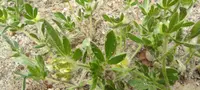
Anthyllis cornicina is a small perennial in the pea family, typically forming low, bushy clumps with fine, divided foliage. Its yellow flower heads appear in compact clusters, giving it a soft, textured look.
The species is native to Mediterranean and nearby regions, usually found in dry, sunny, often rocky habitats. This origin makes it relatively resilient to drought and poor soils, but it dislikes heavy, waterlogged ground.
It suits rock gardens, dry borders, and naturalistic plantings where drainage is excellent. Understanding how to care for Anthyllis cornicina mainly involves providing strong light, lean soil, and moderate moisture without prolonged wet conditions.

Care Difficulty
Moderate Care

Light Preference
Full Sun

Water Requirements
Low Water

Temperature Preference
Warm Climate

Hardiness Zone
8–11

Soil Texture
Sandy, Loamy, Rocky

Soil pH
Slightly acidic (6.5–7.0), Neutral (7.0)

Soil Drainage
Well-drained

Fertilization
Minimal (feed rarely)
Scan your plant to receive care tips personalized for your specific plant
Available on iOS and Android
This Mediterranean shrub prefers bright, open conditions with plenty of direct sun.
This dryland legume prefers infrequent, deep watering and fast-draining soil.
This species is adapted to warm, dry climates with mild winters and tolerates some temperature extremes.
This species is adapted to dry, open habitats, so humidity is rarely a limiting factor.
Anthyllis cornicina prefers lean, mineral, sharply drained soil that mimics dry, rocky habitats.
This species can be grown in containers if the pot and substrate are chosen to keep roots dry and well-aerated.
This Mediterranean legume typically needs minimal feeding in open ground, but light fertilization can support container-grown Anthyllis cornicina.
This shrub benefits from light, targeted pruning to maintain shape and flowering performance.
This species is more often grown in the ground; transplanting is usually more relevant than frequent repotting.
This plant is commonly propagated from seed, with semi-ripe cuttings also possible for clonal material.
In mild, dry-winter climates this species usually needs minimal winter attention once established in the ground.

Plant Health Check
Not sure what's wrong with your plant? Check your plant's health inside the app.
This species is naturally associated with sandy, coastal and dune habitats, where it helps stabilize loose, nutrient-poor soils through its extensive root system.
As a legume, it forms nodules on its roots that host nitrogen‑fixing bacteria, allowing it to enrich the surrounding soil and support nearby plants in harsh sites.
Its small, often hairy leaflets reduce water loss and offer protection from salt-laden coastal winds, an adaptation that makes growing Anthyllis cornicina possible in exposed seaside environments.
The flowers are rich in nectar and pollen and are very attractive to wild bees and other pollinating insects. This makes the species useful in pollinator-friendly gardens and restoration plantings in dry, sunny sites.
Keep your plants happy and healthy with plant identification, disease detection, and easy care guidance.

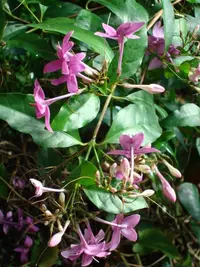
Shooting star
Pseuderanthemum laxiflorum
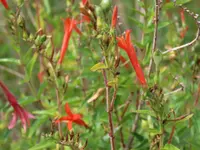
Wright's anisacanth
Anisacanthus quadrifidus var. wrightii
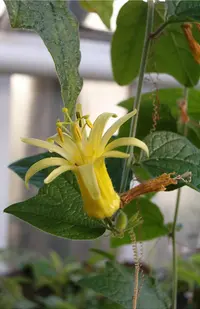
Passiflora citrina
Passiflora citrina
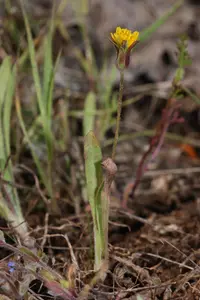
annual agoseris
Agoseris heterophylla
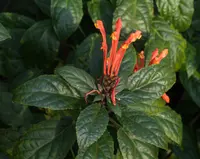
Costa Rican skullcap
Scutellaria costaricana
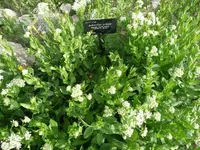
Tuberous Hawk's-beard
Aetheorhiza bulbosa
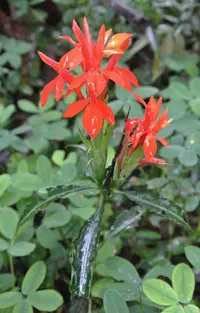
fiery spike
Aphelandra aurantiaca
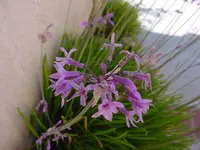
Society garlic
Tulbaghia violacea