Stem pinch-back
Lightly pinch out the soft tips of overly tall shoots in late spring to encourage a denser, bushier framework and reduce the risk of stems becoming leggy indoors.

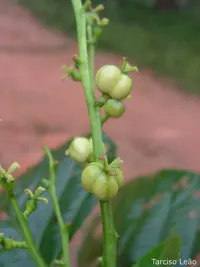
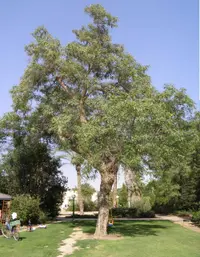
Aparisthmium, usually referring to Aparisthmium cordatum, is a small to medium tropical tree from the spurge family (Euphorbiaceae). It grows naturally in humid forests of Central and South America. The plant typically has a single trunk, a rounded crown, and simple, heart-shaped leaves that create a dense, green canopy. Flowers are small and not ornamental, but the overall foliage effect is attractive. Aparisthmium cordatum is adapted to warm, moist, partially shaded habitats, so it prefers consistent moisture, good drainage, and protection from intense, direct sun. In cultivation, its forest origins and potential size make it better suited to spacious, controlled environments. Understanding these natural conditions is the key to how to care for Aparisthmium.

Care Difficulty
Moderate Care

Light Preference
Partial Shade

Water Requirements
Moderate Water

Temperature Preference
Tropical / Frost Sensitive

Hardiness Zone
Unknown

Soil Texture
Loamy, Organic-rich

Soil pH
Acidic (5.5–6.5)

Soil Drainage
Moist but well-drained

Fertilization
Minimal (feed rarely)
Scan your plant to receive care tips personalized for your specific plant
Available on iOS and Android
This species prefers bright, filtered light that mimics a light woodland edge.
Watering should keep the root zone evenly moist but never stagnant.
This plant prefers warm, frost-free conditions similar to a mild subtropical climate.
This species prefers moderately humid air but usually adapts to typical indoor conditions.
Aparisthmium cordatum grows best in loose, well‑aerated, organic‑rich soil that drains quickly but does not dry out instantly.
This shrub is suitable for container growing when the pot is chosen to support its woody root system and upright form.
This species grows adequately in average soil but benefits from light feeding in long-term cultivation or containers.
Pruning Aparisthmium cordatum is usually minimal and focuses on maintaining structure and plant health.
This tree is more often transplanted in the landscape than grown long-term in containers.
Propagation of this species is usually done by seed and sometimes semi-hardwood cuttings under controlled conditions.
In mild, frost-free climates this species usually needs only basic winter attention.

Plant Health Check
Not sure what's wrong with your plant? Check your plant's health inside the app.
Aparisthmium cordatum is the only species in the genus Aparisthmium, a monotypic genus in the spurge family Euphorbiaceae, native to humid forests from Central to South America.
The species name cordatum refers to its heart-shaped (cordate) leaves, which are an easy field character for recognizing this tree in lowland and submontane rainforest.
This species occurs as a small to medium tree in evergreen and semi-deciduous tropical forests, where it contributes to mid- to upper-canopy structure and provides shelter for a range of invertebrates and small vertebrates.
This small tree usually has a moderate growth rate. In suitable warm, moist climates it can add roughly 20–40 cm of height per year, slowing as it matures and if light, nutrients, or root space are limited.
Keep your plants happy and healthy with plant identification, disease detection, and easy care guidance.