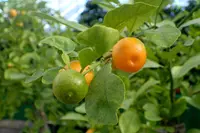
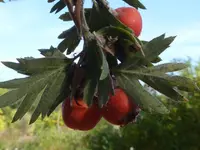
Axe handle Wood Care (Aphananthe philippinensis)

Axe handle Wood

About Axe handle Wood

Axe handle wood, Aphananthe philippinensis, is a medium to large evergreen tree from tropical and subtropical forests in Southeast Asia and parts of Australia. It is mainly grown outdoors but may appear in larger landscape-style collections.

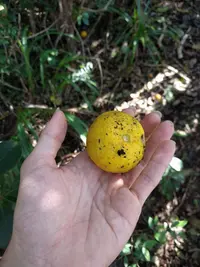
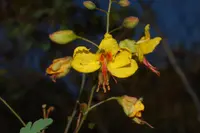
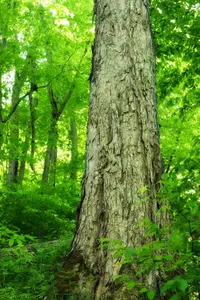
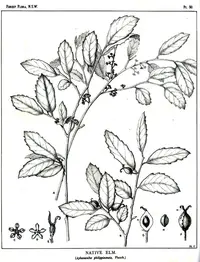
The tree has a straight trunk, simple toothed leaves, and small, inconspicuous flowers that develop into fleshy fruits that attract wildlife. Its timber is dense and strong, traditionally valued for tool handles.

This species is generally robust where winters are mild, tolerating a range of soils if drainage is good. A basic understanding of how to care for Axe handle Wood focuses on providing consistent moisture, moderate light, and protection from hard frost.

Main Plant Requirements

Care Difficulty

Moderate Care

Light Preference

Partial Sun

Water Requirements

Moderate Water

Temperature Preference

Warm Climate

Hardiness Zone

10–11

Soil Texture

Loamy, Sandy, Clay

Soil pH

Acidic (5.5–6.5), Slightly acidic (6.5–7.0)

Soil Drainage

Well-drained

Fertilization

Minimal (feed rarely)

Get Personalized Care Plan

Scan your plant to receive care tips personalized for your specific plant

Available on iOS and Android

How to Care for the Axe handle Wood

This species prefers bright outdoor conditions with protection from intense midday sun.

  • Provide 4–6 hours of direct morning sun with light shade or filtered light in the afternoon, especially in hotter regions.
  • Axe handle Wood tolerates partial shade but may develop a thinner crown and slower growth if it receives less than 3–4 hours of direct or bright dappled light.
  • In summer, monitor leaves for scorch or yellowing on the sunniest side and use neighboring plants or shade cloth to soften harsh western exposure.

Watering should support steady growth without leaving the soil saturated for long periods.

  • Allow the top 3–5 cm of soil to dry before watering again, aiming for moist but not soggy soil around the root zone.
  • During hot, dry weather, increase watering frequency while ensuring the site drains freely; reduce frequency in cool or rainy seasons to avoid root rot.
  • Watch for limp, curling leaves and dry twig tips as signs of underwatering, and for yellowing leaves or persistent surface wetness as signs of overwatering in Aphananthe philippinensis.

This tree prefers warm, frost-free climates with moderate seasonal variation.

  • Optimal growth occurs around 68–86°F (20–30°C), typical of mild to warm subtropical conditions.
  • The tree is sensitive to frost; short dips near 32°F (0°C) may damage young shoots, and repeated freezes can kill small plants.
  • In hotter regions where summer highs exceed 95°F (35°C), provide soil mulch and some afternoon shade to protect roots and reduce heat stress.

This species is adaptable but benefits from moderate ambient humidity when grown young or in containers.

  • Aim for 40–60% humidity; typical indoor air is acceptable if watering is consistent.
  • Dry air may cause leaf tip browning and slower growth on potted Axe handle Wood, especially near heaters or strong drafts.
  • Increase local humidity by grouping plants, placing trays of damp pebbles nearby, or using a small humidifier in very dry rooms.

This tree performs best in evenly moist, well-drained, moderately fertile mineral soil.

  • Use a loamy mix with a balance of sand, silt, and organic matter to support deep, sturdy root development in Aphananthe philippinensis.
  • Ensure rapid drainage by combining roughly 50–60% garden loam with 20–30% coarse sand and 10–20% composted organic material.
  • Target a slightly acidic to neutral pH around 6.0–7.0, avoiding strongly acidic or saline soils that restrict nutrient uptake.
  • Improve aeration and prevent compaction by incorporating coarse sand or fine gravel in heavier soils and avoiding persistent waterlogging.

This species can be grown in containers for the early stages of development or in restricted spaces.

  • Choose a deep, heavy container that resists tipping as the woody trunk and crown gain height and mass.
  • Provide a generous root volume from the start, since constrained roots dry faster and can limit trunk thickening.
  • Select a pot material with moderate moisture retention, such as thick-walled clay or composite, to buffer against rapid substrate drying.

This species is usually low-maintenance, but moderate feeding improves growth of Axe handle Wood in cultivation.

  • Use a balanced slow-release fertilizer (around 10-10-10 or similar) or well-rotted compost in early spring.
  • Apply fertilizer 1–2 times during the warm growing season, depending on soil fertility and plant vigor.
  • Dilute liquid fertilizers to 1/2 strength to avoid root burn, especially in containers or poor-draining soils.
  • Stop feeding in late summer to early fall so new growth can harden before cooler weather.

Pruning Aphananthe philippinensis is mainly structural and sanitary, keeping the canopy healthy and manageable.

  • Carry out main pruning in late winter to early spring before active growth starts.
  • Remove dead, diseased, crossing, or storm-damaged branches with clean, sharp bypass pruners or a pruning saw.
  • Thin congested interior branches to improve light and air flow, guiding the tree toward a stable, single-leader form.
  • Avoid heavy heading cuts; instead, use selective thinning cuts just outside the branch collar to limit stress.

This tree is usually grown in the ground, so focus on careful transplanting rather than frequent repotting.

  • Transplant young specimens in late winter to early spring when dormant and soil is workable.
  • Look for signs like slowed growth, poor vigor, or roots circling a nursery container as cues to upsize or plant out.
  • Choose a site with adequate space, well-drained soil, and plant at the same depth as in the original container.
  • Water deeply after transplanting, maintain even moisture for the first growing season, and use mulch to reduce root stress.

Propagation of this species is possible but somewhat specialized, mainly done from seed and semi-ripe cuttings.

  • Collect ripe fruits in late summer to early fall, clean the seeds, and sow in a free-draining seed mix.
  • Provide warm temperatures (around 70–77°F) and consistent moisture for germination without waterlogging the mix.
  • Take semi-ripe cuttings in late spring to summer, use a rooting hormone, and place in a humid, bright, indirect light environment.
  • Maintain good air circulation and avoid overwatering young seedlings or cuttings to limit fungal problems.

This tree is moderately cold hardy in mild climates and usually needs minimal winter care once established.

  • In regions with frost, mulch 5–8 cm around the root zone to buffer temperature swings and conserve moisture.
  • Young or container-grown plants benefit from shelter against cold winds and drying winter sun.
  • Move containers to a sheltered, unheated but frost-free area in colder zones, monitoring soil so it does not fully dry.

Care Tips

Early structural training

In the first few years, select a single strong leader and remove or shorten competing upright shoots to build a stable central trunk that will support the tree’s eventual height and canopy spread.

Wind-hardening young trees

In exposed sites, gradually reduce staking tension over 6–12 months and allow some controlled movement in the trunk so the tree develops stronger wood and anchoring roots without bending or snapping.

Mulch management zone

Maintain a 5–10 cm deep ring of organic mulch away from direct contact with the trunk to keep roots cool, reduce mower damage, and limit weed competition around the root zone.

Root flare inspection

At planting and every few years, check that the root flare (where trunk widens at the base) is just above soil level and gently remove excess soil or mulch covering it to prevent rot and girdling roots.

Baseline health records

Take clear photos of canopy density, leaf color, and trunk condition once a year and store brief notes, so subtle changes in vigor or branch structure are easier to spot early when caring for Axe handle Wood.

Common Pests and Diseases

Leaf webbing caterpillars

This pest lives inside silken webs that tie young leaves together and can defoliate shoots on saplings and street trees. Symptoms include webbed leaf clusters, chewed leaf margins, and frass (insect droppings) inside the webs.

Solution

Prune and destroy webbed shoot tips as soon as they appear and avoid leaving prunings on the ground. For heavier infestations on small or young trees, use a targeted biological product containing Bacillus thuringiensis (Bt) on new foliage and encourage natural predators by avoiding broad-spectrum insecticides nearby.

Scale insects

These insects attach firmly to twigs and undersides of leaves, sucking sap and weakening branches over time. Symptoms include small dome-shaped bumps, sticky honeydew, and sometimes sooty mold on leaves and bark.

Solution

On small plants or low branches, gently scrub scale off with a soft brush or cloth dipped in water with a small amount of insecticidal soap. For larger trees with persistent infestations, apply horticultural oil during the dormant or cool season to smother scale and repeat as needed according to label directions.

Bark-boring beetles

These insects tunnel into stressed or weakened trunks and branches, disrupting water flow and causing dieback. Symptoms include small round or oval exit holes, fine sawdust-like frass, and sudden wilting or death of individual branches.

Solution

Promptly prune and destroy affected branches and improve tree vigor with proper watering, mulching, and avoidance of mechanical damage to the trunk. In high-risk areas, consult a local arborist about preventive trunk sprays or systemic treatments and monitor regularly for new borer activity.

Leaf spot

This disease causes small brown to dark spots on leaves that can merge into larger lesions, especially in humid or shaded conditions. Symptoms include premature yellowing and drop of older leaves while young foliage may appear mottled.

Solution

Collect and dispose of fallen leaves to reduce reinfection and avoid overhead watering that keeps foliage wet for long periods. Improve air circulation through selective pruning, and if leaf loss becomes severe, apply a registered copper or chlorothalonil fungicide at the start of warm, wet weather following label instructions.

Interesting Facts

Island rainforest specialist

This species is naturally found in lowland and lower montane rainforests of the Philippines and parts of Malesia, where it forms part of the mid- to upper-canopy tree layer on moist, well-drained sites.

Separate male and female trees

It is dioecious, meaning individual trees produce either male or female flowers, so fruit development occurs only on female trees that receive pollen from nearby males.

Small drupes for wildlife

The tree produces small, fleshy drupes that are eaten by birds and other animals, helping disperse its seeds across fragmented forest habitats.

FAQs about Axe handle Wood

Growth is moderate for a forest tree, typically 30–60 cm per year in suitable outdoor conditions. Young plants establish slowly, then speed up once roots are strong and moisture is consistent, especially in deep, well-drained soil.

Grow Healthy Plants with Botan Care

Keep your plants happy and healthy with plant identification, disease detection, and easy care guidance.

Botan plant care app — identify plants on mobile

Explore More Plants