Arquita mimosifolia Care

Arquita mimosifolia

About Arquita mimosifolia

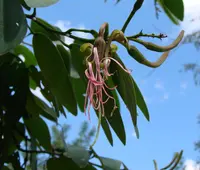
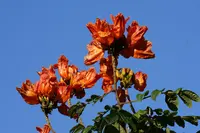
Arquita mimosifolia is described as a small to medium ornamental shrub or tree with fine, divided foliage and light, airy branching. Its growth habit tends to be graceful rather than dense, making it suitable as an accent plant. The species is reported from warm, frost-free regions, where it grows in well-drained soils and benefits from consistent moisture without prolonged waterlogging. It is generally considered moderate in difficulty, as it dislikes extreme cold, poor drainage, and very dry indoor air. For owners looking to learn how to care for Arquita mimosifolia, it usually prefers bright light, protection from harsh drying winds, and soil that does not stay soggy for long periods.

Main Plant Requirements

Care Difficulty

Moderate Care

Light Preference

Full Sun

Water Requirements

Moderate Water

Temperature Preference

Warm Climate

Hardiness Zone

9–11

Soil Texture

Sandy, Loamy, Organic-rich

Soil pH

Acidic (5.5–6.5), Slightly acidic (6.5–7.0)

Soil Drainage

Well-drained

Fertilization

Minimal (feed rarely)

Get Personalized Care Plan

Scan your plant to receive care tips personalized for your specific plant

Available on iOS and Android

How to Care for the Arquita mimosifolia

This plant prefers bright, soft sunlight and protection from harsh midday exposure.

  • Provide 4–6 hours of direct morning sun with light afternoon shade, especially in hotter climates above 85°F (29°C).
  • Allow dappled or filtered light under taller trees; Arquita mimosifolia tolerates light partial shade but may flower less with under 3–4 hours of direct sun.
  • Watch leaves for stress: pale, scorched, or crispy edges indicate too much intense sun, while sparse growth and long, weak shoots suggest insufficient light.

This plant benefits from deep, infrequent watering that allows the root zone to dry slightly between soakings.

  • Before watering, let the top 3–5 cm of soil dry; in well-drained ground this often means soaking the root area thoroughly, then allowing excess water to drain away fully.
  • In spring and summer, water when leaves just begin to lose some turgor and the soil feels dry at finger depth; reduce frequency in cooler months to prevent root rot.
  • Signs of overwatering include yellowing leaves and soft, darkened roots, while crisp leaf edges and rapid leaf drop suggest underwatering in Arquita mimosifolia.

This species grows best in warm, mild conditions without exposure to hard frost.

  • Ideal growth occurs around 65–80°F (18–27°C), supporting steady foliage development and flowering during the main growing season.
  • Avoid temperatures below 30°F (-1°C); light frost can damage young tips, and repeated freezes may kill branches or young plants.
  • In hot spells above 90°F (32°C), provide extra mulch and soil moisture, since prolonged extreme heat combined with dry soil can cause leaf scorch and premature leaf drop.

This species prefers moderate humidity and shows stress in very dry indoor air.

  • Aim for 40–60% humidity, as prolonged levels under 30% can cause leaf edges to brown and curl.
  • Plant tolerates short dry spells if soil moisture is steady, but combine low humidity with drought and foliage decline accelerates.
  • Increase humidity with a nearby tray of water and pebbles or grouping plants, rather than misting which dries quickly and can spot leaves.

This plant grows best in loose, aerated soil that drains freely yet holds moderate moisture.

  • Use a loamy, organic-rich mix, such as 2 parts all-purpose potting soil, 1 part compost, and 1 part perlite or coarse sand.
  • Soil should drain within a few seconds after watering; avoid heavy clay or compacted ground that stays wet for hours.
  • Target slightly acidic to neutral soil, around pH 6.0–7.0, to support balanced nutrient uptake and root health.
  • In poorly draining native ground, grow Arquita mimosifolia in raised beds or mounded soil to improve aeration around the root zone.

This species can be grown in large containers outdoors when adequate root space and stability are provided.

  • Select a deep, heavy container so the tall canopy does not tip or shift in strong wind.
  • Choose thick-walled materials like wood or glazed ceramic to slow moisture loss and temperature swings around the roots.
  • Ensure multiple drainage holes and elevate the pot on feet so excess water clears freely instead of pooling under the base.

Moderate feeding supports healthy growth and flowering without forcing Arquita mimosifolia into weak, overly lush shoots.

  • Use a balanced NPK fertilizer (around 10-10-10) or a mild slow-release product suited to flowering trees.
  • Feed every 4–6 weeks during spring and summer, applying to moist soil to avoid root burn.
  • Dilute liquid fertilizer to 1/2 strength, especially for younger or container-grown plants.
  • Stop or reduce feeding to 1 light application in fall, and avoid fertilizing in winter dormancy.

Thoughtful pruning keeps Arquita mimosifolia structurally sound and encourages good flowering wood.

  • Plan main pruning for late winter to very early spring, before vigorous new growth begins.
  • Remove dead, damaged, crossing, or inward-growing branches to improve airflow and light penetration.
  • Shorten or thin congested shoots to maintain an open canopy and stable framework, not a tight hedge.
  • Use sharp, clean bypass pruners or loppers, making smooth cuts just outside the branch collar.

This species is usually grown in the ground, so focus on careful transplanting rather than frequent repotting.

  • Transplant young trees in late winter or early spring when soil is workable but before strong new growth.
  • Look for slowed growth, poor vigor, or roots circling a container as signals to move into a larger space.
  • Dig a wide planting hole, loosen circling roots gently, and set the root flare level with surrounding soil.
  • Water deeply after planting, then keep soil evenly moist and mulch 5–8 cm to reduce stress and temperature swings.

Propagation of Arquita mimosifolia is possible but often slow, so expectations should be moderate.

  • Sow fresh seeds in spring in a well-drained, sandy mix, keeping them at 68–77°F with consistently light moisture.
  • Scarify hard seed coats gently with sandpaper or a brief soak in warm water to improve germination rates.
  • Take semi-ripe cuttings in late spring or early summer, using rooting hormone and bright, indirect light.
  • Maintain high humidity around cuttings using a vented cover, while keeping the medium just slightly moist.

Arquita mimosifolia is frost-sensitive and needs planned winter care in regions with freezing conditions.

  • In USDA zones below its hardiness range, grow in containers and move plants indoors before nights drop below 40°F.
  • Use 5–8 cm of organic mulch around the root zone, keeping it clear of the trunk to moderate soil temperature.
  • Wrap young trunks with breathable frost cloth in light-freeze areas to reduce bark damage and dieback.

Care Tips

Early structural pruning

In the first 3–4 years, remove weak, crossing, or steeply upright branches in late winter to build a strong, open framework that can safely support the plant’s eventual size and weight.

Wind and stake management

In exposed sites, install 2–3 low, flexible stakes with soft ties for young plants and remove them after 1–2 years to encourage a sturdy trunk rather than long-term dependence on support.

Root zone protection

Maintain a 5–8 cm layer of organic mulch over the root zone, keeping it 5–8 cm away from the trunk, to buffer soil temperature swings and reduce compaction from foot traffic or mowing.

Salt and runoff avoidance

Site the plant away from de-icing salt, pool backwash, or driveway runoff, and if exposure is unavoidable, deep-water the root zone after such events to dilute salts in the soil profile.

Targeted storm preparation

Before severe storms, inspect for dead or cracked branches and remove them, and lightly thin dense outer growth so that caring for Arquita mimosifolia in windy regions reduces the risk of breakage.

Common Pests and Diseases

Aphids

This pest feeds on young shoots and leaves, causing curling, distortion, and sticky honeydew that can lead to sooty mold growth. Symptoms include slow growth and clusters of soft-bodied insects on tender stems and leaf undersides.

Solution

Prune heavily infested shoot tips, then hose down the plant with a strong stream of water to dislodge remaining insects. For ongoing control, use insecticidal soap or a light horticultural oil, applied thoroughly to leaf undersides and repeated every 7–10 days as needed, which supports practical Arquita mimosifolia care instructions in home gardens.

Scale insects

These insects appear as small, domed or shell-like bumps on stems and leaf veins, sucking sap and weakening the tree. Symptoms include yellowing foliage, dieback of small branches, and sticky honeydew on leaves or nearby surfaces.

Solution

Gently scrape off or wipe visible scales with a cloth or soft brush dipped in diluted alcohol, then follow with a thorough application of horticultural oil during mild weather to smother remaining insects. Encourage natural predators outdoors and monitor regularly, treating early before populations build up on woody stems.

Caterpillars

This pest chews irregular holes in leaves and can rapidly defoliate young or stressed plants. Symptoms include ragged foliage, green droppings (frass), and curled leaves hiding larvae along midribs or edges.

Solution

Handpick visible caterpillars in the early morning or evening and dispose of them away from the plant. Where damage is persistent, apply a biological control such as Bacillus thuringiensis (Bt) to foliage, targeting young larvae while avoiding harm to beneficial insects when used according to label directions.

Powdery mildew

This disease causes white to gray powdery patches on leaves, especially in shaded, humid, or crowded conditions. Symptoms include distorted new growth, premature leaf drop, and reduced flowering on ornamental trees.

Solution

Improve air circulation by thinning crowded branches and avoiding overhead watering in the evening, then remove and discard affected leaves from around the plant. If needed, apply a labeled fungicidal spray (such as sulfur or potassium bicarbonate) at the first sign of symptoms, repeating at intervals recommended on the product label until new growth stays clean.

Leaf spot

This disease produces small brown, purple, or tan spots on leaves that may enlarge and merge, leading to partial defoliation during warm, wet periods. Symptoms include thinning foliage from mid to late season and reduced vigor in repeatedly affected plants.

Solution

Rake and dispose of fallen leaves to reduce the source of infection and avoid wetting foliage with sprinklers in late day. In landscapes with repeated severe outbreaks, consider a preventive fungicide spray in spring when new leaves emerge, combined with good spacing and pruning to keep the canopy open and foliage drying quickly after rain.

Interesting Facts

Uncertain taxonomic status

Arquita mimosifolia does not appear in major botanical databases or peer‑reviewed literature, so its status as a valid, formally described species is uncertain and may represent a misapplied or fictitious name.

Not in horticultural records

There are no reliable records of this plant in established horticultural references, specialty nurseries, or herbarium collections, which strongly suggests it is not in documented cultivation under this name.

Name suggests mimosa link

The epithet mimosifolia means mimosa‑leaved, implying foliage that resembles species in the genus Mimosa, but without a valid description or specimen this similarity cannot be confirmed.

FAQs about Arquita mimosifolia

Growth is moderate. In suitable outdoor conditions it usually adds 20–40 cm per year once established, slower in the first 1–2 years. Container plants grow more slowly due to limited root space and nutrients.

Grow Healthy Plants with Botan Care

Keep your plants happy and healthy with plant identification, disease detection, and easy care guidance.

Botan plant care app — identify plants on mobile

Explore More Plants