Bauhinia ungulata Care

Bauhinia ungulata

About Bauhinia ungulata

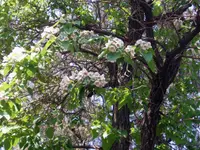
Bauhinia ungulata is a small to medium ornamental tree from tropical South America, often grown for its delicate, orchid-like white flowers and light canopy. The leaves are distinctly split into two lobes, giving a hoof-like shape that makes the plant easy to recognize in landscapes.

It typically grows as a branching, airy tree suited to warm, frost-free climates, where it performs well as a garden specimen or street tree. In general, it prefers full sun, moderately moist but well-drained soil, and benefits from basic attention to how to care for Bauhinia ungulata.

The species is considered relatively easy to grow in suitable climates, provided it is protected from hard frost and given enough light. Once established, it usually tolerates short dry periods and standard urban conditions.

Main Plant Requirements

Care Difficulty

Moderate Care

Light Preference

Full Sun

Water Requirements

Moderate Water

Temperature Preference

Tropical / Frost Sensitive

Hardiness Zone

10–12

Soil Texture

Sandy, Loamy, Organic-rich

Soil pH

Slightly acidic (6.5–7.0), Neutral (7.0)

Soil Drainage

Well-drained

Fertilization

Minimal (feed rarely)

Get Personalized Care Plan

Scan your plant to receive care tips personalized for your specific plant

Available on iOS and Android

How to Care for the Bauhinia ungulata

This subtropical tree prefers bright, warm conditions with several hours of direct sun daily.

  • Provide 6–8 hours of direct sun, ideally with morning sun and light afternoon shade in very hot summers to reduce leaf scorch.
  • Young Bauhinia ungulata tolerate light or dappled shade for part of the day, but flowering and compact growth are best in full sun.
  • In cooler seasons, maximize exposure by avoiding shade from buildings or larger trees, since low light leads to leggy shoots and fewer blooms.

This species prefers moderate, consistent moisture with good drainage and short dry periods between waterings.

  • In the growing season, water when the top 3–5 cm of soil feels dry, allowing water to soak deeply into the root zone, then drain away fully.
  • Use well-drained soil; prolonged puddling, sour smell, or yellowing, soft leaves indicate overwatering and possible root problems.
  • In cooler months, extend the interval between waterings; dull, curling leaves and dry, brittle twigs suggest the tree has stayed dry too long.

This warm-climate tree grows best in consistently mild to hot conditions without frost exposure.

  • Optimal growth occurs around 70–90°F (21–32°C); extended periods above 95°F (35°C) can cause leaf edge scorch if soil moisture is low.
  • Bauhinia ungulata is frost-tender; damage begins near 32°F (0°C), and sustained exposure below 28°F (-2°C) can kill young trees.
  • In regions with cool winters, position the tree in a warm, sheltered microclimate, such as near a south-facing wall, to buffer temperature swings.

This species handles typical outdoor humidity well but benefits from moderately moist air in dry regions.

  • Aim for 40–60% humidity, which is usually met outdoors in mild to warm climates.
  • Dry, hot winds can crisp leaf edges and cause premature leaf drop, indicating humidity stress.
  • In very arid areas, group plants near other shrubs or use windbreaks to slightly raise local humidity and reduce leaf desiccation.

This species prefers a free-draining, moderately fertile substrate that does not stay waterlogged.

  • Use a loamy or sandy loam structure with 20–30% coarse sand and some organic matter such as compost for nutrient supply.
  • Ensure rapid drainage by avoiding heavy clay; on dense sites, build a raised bed or mound to keep roots above standing water.
  • Aim for slightly acidic to neutral pH around 6.0–7.5, as strongly alkaline conditions can reduce nutrient availability and cause chlorosis.
  • For containers, a mix of peat- or coir-based potting medium with added perlite or fine bark improves aeration and root health for Bauhinia ungulata.

This tree can be grown in containers when space is limited, especially in warm or frost-free climates.

  • Choose a deep, heavy pot that resists tipping, since the canopy becomes top-heavy as the tree matures.
  • Select a container mix that drains quickly yet holds moderate moisture, and avoid saucers that allow water to stagnate around the base.
  • Position the container where roots are shaded by the pot but the canopy receives full sun, reducing root-zone overheating in summer conditions.

This subtropical tree benefits from modest feeding to support foliage and flowering without forcing weak, lush growth.

  • Apply a balanced slow-release fertilizer (around 10-10-10) in spring at label rates to support new growth.
  • Supplement with a thin layer of well-rotted compost over the root zone once a year to improve soil structure and nutrients.
  • During the main growing season, use a half-strength balanced liquid feed every 4–6 weeks for container plants only.
  • Stop feeding Bauhinia ungulata in late summer so growth hardens before cool weather, and do not fertilize in winter dormancy.

Thoughtful pruning keeps this small tree healthy, well-shaped, and flowering reliably.

  • Carry out structural pruning in late winter or very early spring before active growth begins.
  • Remove dead, diseased, crossing, or storm-damaged branches first to maintain plant health and safety.
  • Thin crowded interior shoots to improve light penetration and airflow, which supports stronger flowering wood.
  • Use clean, sharp bypass pruners or loppers and make smooth cuts just outside the branch collar to aid healing in Bauhinia ungulata.

This species is most often grown in the ground, but young or container plants may need occasional transplanting to avoid root restriction.

  • Plan major transplanting or potting-on for late winter to early spring, just before vigorous growth resumes.
  • Look for roots circling the pot, water running straight through, or slowed growth as signs a container plant needs a larger space.
  • Shift up 1–2 pot sizes only, setting the root ball at the same depth and using a free-draining mix to limit stress on Bauhinia ungulata.
  • Water thoroughly after moving, then keep soil evenly moist and shade the plant lightly for 7–10 days to help roots re-establish.

New plants are most commonly raised from seed, with cuttings used where specific traits need to be preserved.

  • Collect ripe pods in late summer, dry them, then sow seeds in warm (70–80°F), free-draining mix for reliable germination.
  • Lightly scarify hard seed coats with sandpaper or soak seeds in warm water for 12–24 hours to speed sprouting.
  • Take semi-hardwood cuttings in late spring to summer, use rooting hormone, and keep under high humidity and bright, indirect light.
  • Maintain gentle bottom warmth and avoid waterlogging to prevent rot and encourage rooting when working with Bauhinia ungulata material.

This subtropical tree is frost sensitive and needs protection in cooler climates, especially when young or container-grown.

  • In regions below about 30°F, grow Bauhinia ungulata in a container so it can be moved indoors or to a heated greenhouse for winter.
  • Mulch the root zone with 5–8 cm of organic material in late fall, keeping mulch slightly away from the trunk.
  • In marginal climates, wrap young trunks with breathable frost cloth during cold snaps and avoid late-summer nitrogen that encourages tender growth.

Care Tips

Wind-hardening young trees

For container or newly planted specimens, gradually expose them to stronger wind over 2–3 weeks by placing them in slightly breezier spots so stems and roots strengthen and are less likely to snap once planted in a permanent position.

Targeted structural pruning

In the first 3–4 years, select 1 strong central leader and remove or shorten competing upright shoots in late winter so the tree develops a stable framework that can support its canopy without splitting at narrow branch angles.

Flowering performance check

If flowering is weak despite good light and nutrition, inspect the root zone for circling or girdling roots from past container growth and carefully correct or loosen them during the dormant season to improve water and nutrient uptake.

Mulch root-zone management

Maintain a 5–8 cm deep ring of coarse organic mulch extending slightly past the drip line but kept 5–8 cm away from the trunk to stabilize soil moisture, reduce weed competition, and protect fine feeder roots from heat stress.

Frost contingency planning

In marginal climates, plan one permanent planting spot backed by a wall or heat-reflective surface and keep a breathable frost cloth or old bedsheet on hand so the canopy can be quickly protected during unexpected cold snaps when caring for Bauhinia ungulata.

Common Pests and Diseases

Leaf-cutting ants

This pest removes semicircular sections from leaves, sometimes defoliating young trees quickly. Symptoms include clean-cut leaf margins and trails of ants carrying leaf pieces away from the plant.

Solution

Locate nearby nests and use bait stations labeled for leaf-cutting ants placed along their foraging trails, keeping products off the plant itself. For young or newly planted trees, use physical barriers such as sticky bands on the trunk and keep mulch pulled back from the base to make ant access more difficult.

Caterpillars

These insects chew irregular holes in leaves and can strip foliage on young branches, especially during warm, rainy periods. Symptoms include skeletonized leaves, frass (droppings), and visible larvae on the undersides of leaves.

Solution

Hand-pick caterpillars when populations are light and prune out heavily infested twigs. For repeated or heavy damage, apply a biological product containing Bacillus thuringiensis (Bt) to the foliage in the evening, following label directions and reapplying after heavy rain as needed.

Powdery mildew

This disease shows as white, powdery patches on the upper leaf surface, often starting on shaded or crowded branches. Affected leaves may yellow, curl slightly, and drop early, reducing flowering over time.

Solution

Improve air movement by thinning congested branches and avoid overhead watering that leaves foliage damp in the evening. If needed, use a potassium bicarbonate or sulfur-based fungicide labeled for ornamental trees, treating at the first sign of symptoms and repeating as the label allows as part of broader Bauhinia ungulata care instructions.

Leaf spot

This disease produces small brown, tan, or purplish spots on leaves that can merge into larger dead areas, sometimes with a yellow halo. Severe infections lead to premature leaf drop, especially during humid, rainy weather.

Solution

Remove and discard fallen leaves and heavily spotted foliage to reduce the source of infection. Water at soil level in the morning, and if spotting continues, apply a copper-based fungicide or chlorothalonil product labeled for ornamental trees, timing sprays just before or during extended wet periods.

Scale insects

These insects appear as small, fixed bumps along stems and leaf undersides and feed on plant sap, causing leaf yellowing and reduced vigor. Sticky honeydew and sooty black mold may develop under infested branches.

Solution

Prune and discard heavily infested twigs and wipe accessible stems with a cloth dampened in diluted insecticidal soap. For larger trees, apply horticultural oil during mild weather to coat and smother the scales, repeating as needed according to the product label and monitoring new growth regularly.

Interesting Facts

Distinct hoof-shaped leaves

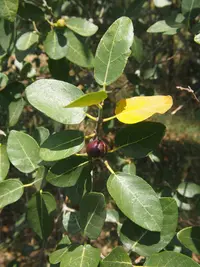
The leaves are deeply bilobed and resemble a cow’s hoof, with two rounded lobes separated by a narrow sinus, a feature that inspired both its scientific epithet ungulata and many of its common names such as cow hoof tree or orchid tree.

Night-fragrant orchid-like flowers

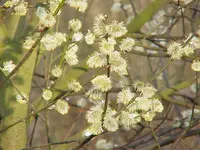
This species produces white, orchid-like flowers with five petals that open mainly in the evening and release a noticeable fragrance at night, which helps attract nocturnal pollinators such as moths.

Dry pod seed dispersal

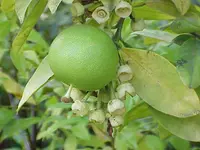
Its fruits are flattened, woody pods that dry and split open along both sides, often twisting as they dehisce and flicking the hard seeds away from the parent tree, an efficient mechanical seed-dispersal strategy in seasonally dry habitats.

Botan icon

Did you know?

Bauhinia ungulata has been widely planted as a small ornamental street and garden tree in tropical and subtropical regions because its relatively modest size, open crown, and repeated flowering flushes make it suitable for narrow urban spaces compared with larger Bauhinia species.

FAQs about Bauhinia ungulata

This species usually flowers from late spring through summer in warm climates, sometimes extending into early autumn. Bloom length depends on conditions, but healthy, established plants can produce successive flushes of flowers for several months.

Grow Healthy Plants with Botan Care

Keep your plants happy and healthy with plant identification, disease detection, and easy care guidance.

Botan plant care app — identify plants on mobile

Explore More Plants