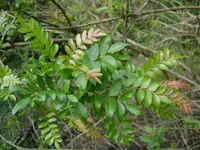
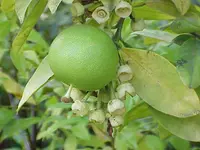
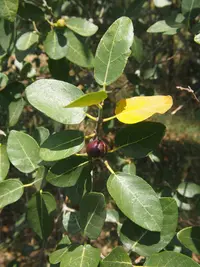
Foxglove tree Care (Paulownia fortunei)

Also known as: dragon tree
Foxglove tree

About Foxglove tree

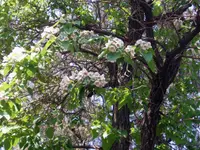
The foxglove tree, Paulownia fortunei, is a very fast-growing deciduous tree valued for its large leaves and showy spring flowers. It develops a straight trunk with a broad, rounded crown, giving quick shade in suitable climates.

This species is native to parts of China and Southeast Asia but is now grown in many warm-temperate regions. It adapts best to sunny sites with moderately moist, well-drained soil.

Its rapid growth and general toughness make it relatively easy to establish, though the size and speed of growth require space and regular structural pruning. Knowing how to care for Foxglove tree helps prevent weak limbs and unwanted spread from seedlings.

Main Plant Requirements

Care Difficulty

Moderate Care

Light Preference

Full Sun

Water Requirements

Moderate Water

Temperature Preference

Warm Climate

Hardiness Zone

7–10

Soil Texture

Sandy, Loamy, Organic-rich

Soil pH

Acidic (5.5–6.5), Slightly acidic (6.5–7.0)

Soil Drainage

Well-drained

Fertilization

Minimal (feed rarely)

Get Personalized Care Plan

Scan your plant to receive care tips personalized for your specific plant

Available on iOS and Android

How to Care for the Foxglove tree

This fast-growing tree needs abundant light to reach its full size and flowering potential outdoors.

  • Provide full sun for 6–8 hours daily; morning and midday sun promote strong trunk and branch development.
  • Accepts light partial shade, especially with afternoon shade in hot climates, but dense shade causes lanky growth and fewer flowers on the Foxglove tree.
  • Protect young trees from extreme reflected heat and sunscald by using temporary shade cloth or planting away from south-facing walls in very hot, dry regions.

This species prefers evenly moist but well-drained soil, especially during its rapid juvenile growth phase.

  • Water when the top 3–5 cm of soil feels dry, aiming for deep soakings that reach the root zone rather than frequent shallow sprinkling.
  • Increase watering in the first 2–3 growing seasons and during hot, windy periods; reduce once Paulownia fortunei is established and after leaf drop in fall.
  • Watch for yellowing, soft leaves and soggy soil as signs of overwatering, and for limp, curling leaves and dry, cracked soil as signs of underwatering.

This tree is adapted to warm-temperate climates and responds strongly to both heat and cold.

  • Best growth occurs around 70–85°F (21–29°C) during the growing season, with warm summers promoting rapid shoot and leaf expansion.
  • Mature trees often tolerate brief drops to about 5–10°F (-15 to -12°C), but young plants are more vulnerable and should be protected from hard frost.
  • In very hot summers above 95°F (35°C), provide mulch to cool the root zone and ensure adequate moisture to prevent leaf scorch and stress.

This fast-growing tree tolerates a wide humidity range and rarely needs special humidity control indoors or outdoors.

  • Ideal humidity is around 30–60%, similar to most heated homes and many outdoor climates.
  • Foxglove tree generally tolerates dry air but very hot, dry winds can increase leaf edge browning.
  • Leaf scorch, crispy margins, and premature leaf drop usually result more from drought, heat, or wind than low humidity.

Paulownia fortunei needs deep, well-aerated, sharply drained soil to support rapid growth and a large root system.

  • Use a loose loam or sandy loam with 20–30% compost to provide nutrients without becoming compacted.
  • Aim for slightly acidic to neutral pH, roughly 6.0–7.5, since strongly alkaline conditions can limit nutrient uptake.
  • For container or planting pit mixes, blend topsoil with coarse sand and bark or perlite to increase drainage and oxygen around roots.
  • Avoid heavy, waterlogged clay or spots with standing water, which promote root rot and severely restrict growth.

This species can be grown in containers for the first years, but size and vigor make it a temporary solution rather than a long-term pot plant.

  • Choose a wide, heavy container to counterbalance the tall, fast growth and reduce the risk of tipping in wind.
  • Use a very free-draining mix and raise the pot slightly off the ground so drainage holes stay unobstructed.
  • Select thick-walled pots or wooden tubs that buffer rapid moisture loss yet still allow strong root anchoring for stability.

Paulownia fortunei responds well to moderate feeding during its active growing season.

  • Use a balanced slow-release fertilizer (for example 10-10-10) or well-rotted compost mixed into the root zone in spring.
  • Apply fertilizer every 4–6 weeks in spring and early summer for young trees; mature trees often need less input on fertile soil.
  • Dilute liquid feeds to 50% strength if used, and water before and after application to limit root burn.
  • Stop feeding by late summer and do not fertilize in winter dormancy to avoid soft, frost-tender growth.

Pruning helps Paulownia fortunei develop a stable framework and manage size or foliage display.

  • Carry out main pruning in late winter to early spring before new growth starts.
  • Remove dead, damaged, crossing, or inward-growing branches with clean, sharp bypass pruners or a pruning saw.
  • For a shade tree form, keep a single strong leader and thin crowded side branches to improve structure and airflow.
  • For large-leaf ornamental effect, cut back shoots hard each year, accepting reduced flowering in favor of larger foliage.

This fast-growing tree is usually transplanted from containers to open ground rather than kept long term in pots.

  • Transplant in early spring or early fall when temperatures are mild and soil is workable.
  • Look for roots circling the pot, slow growth, or quick drying soil as signs that young plants need a larger container or ground planting.
  • Move up only 1–2 pot sizes or into a wide, deep planting hole, loosening circling roots gently before setting in place.
  • Water thoroughly after transplanting, apply a 5–8 cm mulch layer, and shade from intense sun for 1–2 weeks to reduce transplant shock.

Paulownia fortunei is commonly propagated from seed or softwood cuttings under controlled conditions.

  • Sow fresh seed in late winter to spring on the surface of a sterile, well-drained mix and keep at 68–75°F with bright indirect light.
  • Do not cover the fine seed heavily; maintain constant, light moisture until germination in 2–4 weeks.
  • Take softwood cuttings in late spring to early summer, use a rooting hormone, and place in a humid, warm environment.
  • Alternatively, use root cuttings from dormant plants in late winter, set horizontally in trays, and keep lightly moist until shoots form.

Paulownia fortunei is moderately cold hardy but young plants benefit from simple winter protection in colder regions.

  • Tolerates light to moderate frost once established, but young stems can be damaged below about 15°F.
  • Apply a 5–8 cm mulch layer around the root zone in late fall, keeping it slightly away from the trunk.
  • In very cold or exposed sites, wrap young trunks with breathable frost fabric or burlap to reduce bark injury.
  • Move container-grown Foxglove tree to a sheltered, frost-free or slightly heated area where roots stay above freezing.

Care Tips

Manage Root Spread

Install a vertical root barrier 45–60 cm deep around planting areas near paving, drains, or foundations to limit aggressive lateral roots and reduce future structural damage risk.

Control Suckers Promptly

Remove trunk and root suckers at their base several times during the growing season so energy is directed into the main framework rather than unwanted thickets.

Train Single Leader

In the first 2–3 years, select one strong central stem as the leader, stake it if needed, and prune off competing uprights to build a stable tree structure and higher canopy.

Use Coppice Rotation

For large leaves or biomass production, cut the tree back to 10–20 cm above ground in late winter every 1–2 years, allowing a single vigorous shoot to regrow each season.

Monitor Wind Exposure

In windy sites, use temporary windbreaks and remove damaged or crossing branches at the end of the season to prevent tearing, maintain a balanced crown, and make caring for Foxglove tree safer and easier over time.

Common Pests and Diseases

Leaf spot

This disease causes brown to dark-purple spots on leaves that may merge into larger dead areas, especially in warm, wet conditions. Symptoms include premature yellowing and drop of heavily affected leaves.

Solution

Remove and dispose of infected leaves, including fallen debris, to reduce inoculum, and avoid overhead watering so foliage dries quickly. Improve spacing and airflow around trees, and if the problem is severe in a landscape or small planting, apply a copper-based or chlorothalonil fungicide labeled for ornamental trees during wet periods as part of broader Paulownia fortunei care instructions.

Powdery mildew

This disease appears as a white, powdery coating on the upper leaf surface and sometimes on young shoots. Symptoms include distorted new growth and reduced vigor when foliage is heavily covered.

Solution

Increase sunlight and airflow around the canopy, avoid excess nitrogen that encourages very soft growth, and prune out heavily affected shoots. For persistent issues, use a labeled horticultural oil or potassium bicarbonate spray, applied thoroughly to both upper and lower leaf surfaces during dry weather.

Verticillium wilt

This disease affects the vascular tissue, causing one-sided wilting, yellowing, and branch dieback, often on individual limbs first. Symptoms include brown streaks in the sapwood if a branch is cut open.

Solution

Prune out and destroy affected branches, cutting back into healthy wood, and disinfect pruning tools between cuts with alcohol or a 10% bleach solution. Do not overwater, avoid root disturbance, and if a tree declines severely, remove it and avoid replanting other verticillium-sensitive species in the same spot for several years.

Longhorn borers

These insects bore into trunks and larger branches, leaving small oval exit holes, sawdust-like frass, and sometimes causing branch dieback or structural weakness. This pest is more common in stressed or fast-grown, weak-wooded trees.

Solution

Keep trees vigorous with appropriate watering and balanced fertilization, and avoid mechanical injuries to bark that attract egg-laying adults. Prune and destroy infested branches, monitor trunks for fresh frass, and where pressure is high, consult local extension guidance on trunk or soil-applied systemic insecticides labeled for borer control in ornamental trees.

Leaf beetles

These insects chew irregular holes in leaves, sometimes skeletonizing foliage on young trees or nursery stock. This pest can reduce growth when populations are high, especially on small or newly planted trees.

Solution

Inspect foliage regularly and hand-pick beetles and larvae from small trees, dropping them into soapy water, and encourage natural predators by maintaining plant diversity nearby. For heavier infestations, use a targeted treatment such as neem oil or a labeled pyrethroid spray applied in the evening, focusing on the undersides of leaves where larvae often feed.

Interesting Facts

Fast juvenile growth

In suitable subtropical and warm temperate climates, this species can add several meters of height within a few years, especially when grown on deep, fertile soils. This rapid early growth is linked to its very large leaves and efficient photosynthesis during the growing season.

Light, workable timber

The wood of this species is light in weight, pale in color, and has relatively low shrinkage, which makes it valued in parts of East Asia for furniture, interior joinery, and some specialty uses. Its timber shares many properties with other paulownia species but is selected where a balance of lightness and moderate strength is needed.

Large, heart-shaped leaves

When coppiced or grown in open, fertile conditions, young trees can produce very large, heart-shaped leaves that create a broad canopy. These leaves help shade the soil and support high photosynthetic rates, which contributes to the overall Paulownia fortunei plant care interest in production systems.

Botan icon

Did you know?

Paulownia fortunei has been used in breeding programs with other paulownia species to develop hybrid trees that combine rapid growth, straight stems, and adaptable timber properties, which are then tested for plantation use in regions outside its native East Asian range.

FAQs about Foxglove tree

This species is very fast-growing, often adding 1.5–3 m per year in favorable conditions. Growth slows as it matures. Adequate space, moisture, and nutrients are important to manage size and maintain strong wood.

Grow Healthy Plants with Botan Care

Keep your plants happy and healthy with plant identification, disease detection, and easy care guidance.

Botan plant care app — identify plants on mobile

Explore More Plants