Antarctic Beech Care (Nothofagus antarctica)

Antarctic Beech

About Antarctic Beech

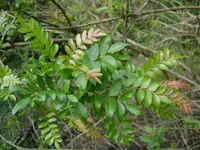
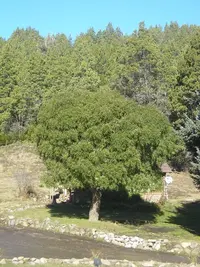
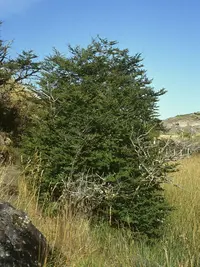
Antarctic beech, Nothofagus antarctica, is a deciduous tree known for its fine branching, small crinkled leaves, and often twisted, sculptural form. In gardens it typically grows as a small to medium tree or large shrub with a dense, twiggy crown.

This species is native to cool, windy regions of southern South America, where it forms woodlands and mixed forests. It is adapted to cold, moist conditions and shows good frost tolerance.

Growth is usually slow to moderate, and the plant prefers consistently moist, well-drained soil and full sun to light shade. These traits make it rewarding but somewhat specialized to site correctly, so learning how to care for Antarctic Beech before planting is helpful.

Main Plant Requirements

Care Difficulty

Moderate Care

Light Preference

Full Sun

Water Requirements

Regular Water

Temperature Preference

Cold Hardy

Hardiness Zone

5–7

Soil Texture

Loamy, Sandy, Organic-rich

Soil pH

Acidic (5.5–6.5), Slightly acidic (6.5–7.0)

Soil Drainage

Moist but well-drained

Fertilization

Minimal (feed rarely)

Get Personalized Care Plan

Scan your plant to receive care tips personalized for your specific plant

Available on iOS and Android

How to Care for the Antarctic Beech

This cool-climate tree prefers bright, mild sun with protection from intense afternoon heat.

  • Provide 4–6 hours of direct morning sun with light or dappled shade in the afternoon, especially in warmer regions.
  • Tolerates partial shade, but very dense shade reduces growth, shortens shoots, and causes sparse foliage on Antarctic Beech.
  • In hot summers, protect from strong sun between 12–4 pm to prevent leaf scorch, using taller plants, buildings, or light overhead canopy.

This species prefers consistently moist, cool soil without long periods of drought or saturation.

  • Water when the top 3–5 cm of soil feels slightly dry, aiming for evenly moist but not muddy conditions around the root zone.
  • In spring and summer, check soil more often during warm, windy periods; in fall and winter, reduce watering as growth slows and rainfall often increases.
  • Watch for underwatering signs such as curling, browning leaf edges, and rapid leaf drop; overwatering leads to yellowing leaves and soft, darkening roots in poorly drained sites.

This hardy tree is adapted to cool, oceanic climates and tolerates significant cold once established.

  • Optimal growing temperatures are about 50–70°F (10–21°C), with strongest growth in cool summers and mild, moist conditions.
  • Mature plants tolerate winter lows near 0°F (−18°C) or slightly below; young trees benefit from shelter from harsh, drying winter winds.
  • Heat above 80–85°F (27–29°C), especially with dry soil, can stress Nothofagus antarctica, so provide mulch, moisture, and some afternoon shade in hotter regions.

This cool-climate tree prefers moderately moist air but adapts to typical outdoor humidity in temperate regions.

  • Aim for 40–70% humidity, which is common outdoors in mild, maritime, or cool summer climates.
  • It tolerates short dry spells but prolonged hot, very dry air can cause leaf scorch and marginal browning.
  • If grown in a warmer, drier site, increase local humidity by mulching the root zone and providing light wind protection.

This species prefers cool, consistently moist but well-drained soil with high organic content.

  • Use a loamy mix with noticeable organic matter, combining garden loam, compost, and fine bark to mimic woodland soil.
  • Ensure drainage is free but not rapid; amend very sandy soils with compost and leaf mold to hold moisture evenly.
  • Aim for slightly acidic to neutral pH (5.5–7.0); add elemental sulfur to mildly alkaline soils if growth is weak.
  • Avoid compacted or waterlogged sites; improve aeration and drainage by incorporating coarse sand or fine grit into heavy clay.

This species can be grown in containers when young or as a small specimen, but long-term cultivation demands careful pot management.

  • Choose a deep, heavy container to stabilize the woody root system and prevent the pot from tipping in strong winds.
  • Select a pot material that moderates moisture swings, such as thick-walled ceramic, to reduce rapid substrate drying.
  • Fill the base with a coarse drainage layer only if side holes sit higher, ensuring no perched water collects around the lower roots.

This cool-climate deciduous tree grows well in modest soils and needs only light, targeted feeding in cultivation.

  • Use a balanced, slow-release fertilizer (for example 10-10-10) in early spring at half the label rate to support new growth.
  • In poor soils, add a thin layer of well-rotted compost over the root zone once a year, keeping it off the trunk.
  • Feed once more in mid-summer if growth is weak; avoid fertilizing stressed or droughted Nothofagus antarctica.
  • Stop fertilizing in late summer so shoots harden before winter and do not apply any nutrients during dormancy.

Pruning Nothofagus antarctica is mainly structural and corrective, aimed at maintaining a healthy, open framework.

  • Carry out pruning in late winter to very early spring, before bud break, to reduce sap bleeding and stress.
  • Remove dead, diseased, or storm-damaged wood first, cutting back to healthy tissue with sharp bypass pruners or a clean saw.
  • Thin crowded interior branches to improve light and air flow, which supports stronger shoots and reduces fungal problems.
  • Limit shaping cuts to minor corrections; heavy reduction can spoil the tree’s natural fine texture and lead to weak regrowth.

This species is usually grown in the ground, so management focuses on careful transplanting rather than frequent pot changes.

  • Plan transplanting for late fall or very early spring when the tree is dormant and soil is workable but not waterlogged.
  • Look for signs such as roots circling a container, poor vigor, or quick drying soil to judge when a container plant needs a larger pot.
  • Move up only 1–2 pot sizes, using a free-draining, slightly acidic mix, and spread gently loosened roots outward in the new hole or container.
  • Water thoroughly after planting, then keep soil evenly moist and shaded for several weeks to limit transplant shock and support root recovery.

Raising Nothofagus antarctica is possible from seed or semi-ripe cuttings but requires patience and controlled conditions.

  • Collect ripe seed in fall, then cold stratify it at about 34–41°F for 2–3 months to break dormancy before spring sowing.
  • Sow seed in a well-drained, slightly acidic medium, just covered, and keep evenly moist in bright, indirect light.
  • Take semi-ripe cuttings in mid to late summer, using pencil-thick shoots 8–10 cm long with several nodes.
  • Dip cuttings in rooting hormone, place in a humid, well-aerated medium, and maintain bottom warmth around 68–72°F to encourage rooting.

This hardy deciduous tree tolerates substantial frost and usually needs only basic winter attention in temperate climates.

  • Established plants withstand low winter temperatures once fully dormant, especially in sheltered garden sites.
  • Apply 5–8 cm of organic mulch over the root zone in late fall, keeping it a few cm from the trunk to limit rot.
  • For young or recently transplanted trees, use a windbreak or burlap wrap around the stake area to reduce desiccating winds.
  • Container-grown specimens benefit from moving to an unheated but frost-free space or grouping pots against a wall with extra insulation.

Care Tips

Wind-hardening young trees

Stake only very young specimens for the first 1–2 years and then gradually loosen and remove ties so the trunk flexes in wind and develops the strong, flexible wood this species needs in exposed sites.

Encourage multi-stem form

When the plant is small, allow several strong stems to develop from the base and selectively remove only crowded or crossing shoots to create the characteristic airy, multi-stemmed structure often preferred in landscapes.

Use reflective mulches

In warmer regions, apply a light-colored mineral mulch such as pale gravel around the root zone to keep roots cooler and reduce heat stress on this naturally cool-climate species.

Plan for root spread

Site the tree where roots can spread widely in a cool, moisture-retentive soil zone, keeping it at least 3–4 ft from paths, walls, and compacted ground to minimize stress and promote long-term stability when growing Antarctic Beech.

Microclimate cooling strategies

In hotter gardens, position the tree on a gentle north- or east-facing slope or near taller, open-canopy trees, which slightly cool and shelter the site without creating deep shade.

Common Pests and Diseases

Beech woolly aphid

This pest forms white, cottony clusters on young shoots and leaf undersides, feeding on sap and causing leaf curling and sticky honeydew. Symptoms include sooty mold growth on the honeydew and gradual decline in vigor on heavily infested branches.

Solution

Prune and discard heavily infested twigs, then hose down remaining foliage with a strong water spray to dislodge colonies. If needed, apply a horticultural soap or light horticultural oil, ensuring thorough coverage of shoot tips and leaf undersides while monitoring beneficial insects that naturally control aphids.

Scale insects

These insects appear as small, rounded or oval bumps on stems and older twigs, where they remain fixed while sucking sap. Symptoms include yellowing foliage, reduced shoot growth, and honeydew that can lead to sooty mold on leaves and nearby surfaces.

Solution

Gently scrape or rub off visible scales with a soft brush or cloth, then use a horticultural oil during the growing season to smother remaining individuals. Improve tree vigor with proper watering and mulch so that natural predators can keep light populations in check over time.

Beech bark canker

This disease causes sunken or cracked lesions on the bark, often with discolored or dead patches and occasional oozing. Symptoms include dieback of affected branches, sparse foliage beyond the canker, and increased susceptibility to secondary decay fungi.

Solution

Remove and destroy affected branches well below visible cankers, disinfecting pruning tools between cuts. Promote strong health by avoiding trunk injury, maintaining even soil moisture, and ensuring good spacing and airflow to reduce stress and secondary infections.

Leaf spot

This disease produces small brown, tan, or purple spots on leaves that may merge into larger blotches, sometimes surrounded by a yellow halo. Symptoms include premature leaf drop in late summer when infections are heavy, particularly in cool, damp climates where Nothofagus antarctica care instructions are not followed consistently.

Solution

Rake and remove fallen leaves to reduce the source of fungal spores, and water at soil level rather than overhead to keep foliage dry. In sites with repeated issues, improve spacing and air movement; fungicidal sprays labeled for ornamental trees can be used preventively at bud break if the problem is severe and recurring.

Interesting Facts

Patagonian scrub specialist

This species often forms low, wind-sculpted scrub and krummholz near the tree line in Patagonia, tolerating strong winds, thin soils, and repeated freezing.

Scented, fluttering foliage

Its small, crinkled leaves can release a noticeable resinous or honey-like scent in warm weather, and the flattened arrangement on short shoots makes the foliage tremble visibly in wind.

Frost and cold tolerance

The tree is naturally adapted to cool, oceanic climates and can withstand frequent frosts and long, cold winters typical of southern Chile and Argentina.

Botan icon

Did you know?

In parts of southern Patagonia and Tierra del Fuego, this species forms some of the world’s southernmost native woodlands, growing close to the limit of where trees can survive on land.

FAQs about Antarctic Beech

Growth is usually slow to moderate. Young trees may add about 15–30 cm per year, sometimes less in dry or hot conditions. In cool, moist climates with good soil, growth becomes steadier but still not rapid.

Grow Healthy Plants with Botan Care

Keep your plants happy and healthy with plant identification, disease detection, and easy care guidance.

Botan plant care app — identify plants on mobile

Explore More Plants