Apteranthes burchardii Care

Apteranthes burchardii

About Apteranthes burchardii

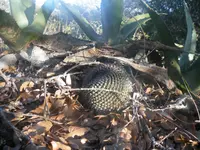
Apteranthes burchardii is a leafless, succulent stem plant from arid, rocky areas of the Canary Islands and nearby regions in northwest Africa. It belongs to the stapeliad group, known for fleshy green to gray stems and unusual star-shaped flowers.

The plant grows in low, branching clumps and stores water in its segmented stems, which makes it well adapted to drought and bright, dry conditions. Flowers can be showy but may have an unpleasant scent, a trait that attracts fly pollinators.

Because it is slow-growing and sensitive to excess moisture, it suits careful collectors more than completely casual owners. Understanding how to care for Apteranthes burchardii focuses mainly on avoiding overwatering and providing fast-draining, mineral-rich soil.

Main Plant Requirements

Care Difficulty

Moderate Care

Light Preference

Full Sun

Water Requirements

Low Water

Temperature Preference

Tropical / Frost Sensitive

Hardiness Zone

10–11

Soil Texture

Sandy, Rocky, Loamy

Soil pH

Slightly acidic (6.5–7.0), Neutral (7.0)

Soil Drainage

Well-drained

Fertilization

Minimal (feed rarely)

Get Personalized Care Plan

Scan your plant to receive care tips personalized for your specific plant

Available on iOS and Android

How to Care for the Apteranthes burchardii

This succulent prefers bright, indirect light with some direct sun exposure each day.

  • Provide 4–6 hours of morning sun or late-afternoon sun, with light shade or filtered light at midday to prevent stem scorch.
  • In very hot climates, grow Apteranthes burchardii where it gets dappled shade from 11 a.m.–3 p.m., especially in summer.
  • If stems elongate, lose firmness, or turn pale green, light is too low; move the plant to a brighter position gradually over 7–10 days.

This species stores water in its stems and needs infrequent but thorough watering.

  • Allow the top 3–5 cm of soil to dry fully before watering, then water until it drains out, ensuring no standing water around the roots.
  • During active growth in spring and summer, expect to water roughly when stems feel less firm and soil is dry, then reduce frequency sharply in autumn and winter.
  • Use a very fast-draining, gritty mix; yellowing, mushy stems indicate overwatering, while deep wrinkling and shriveling signal underwatering.

This drought-adapted succulent prefers warm, dry conditions and does not tolerate frost.

  • Aim for 70–85°F (21–29°C) during active growth, with nighttime temperatures not dropping below 60°F (16°C) for best development.
  • Protect the plant from any frost; growth stops below about 50°F (10°C), and tissue damage occurs near 32°F (0°C), especially in wet soil.
  • It tolerates short hot spells up to 95°F (35°C) if shaded from harsh midday sun and kept in well-ventilated, dry conditions.

This succulent tolerates typical indoor humidity but still benefits from moderately dry air control.

  • Aim for 30–50% humidity, similar to most heated homes, avoiding persistently damp rooms.
  • Dry air is usually tolerated, but sudden shriveling, soft stems, or stalled growth can indicate humidity and watering imbalance rather than pure dryness.
  • Increase local moisture gently with a nearby pebble tray or grouped plants, avoiding misting that can promote stem rot on Apteranthes burchardii.

Soil must be very fast-draining to prevent root and stem rot in this stapeliad succulent.

  • Use a sandy, gritty mix such as 50–60% cactus soil combined with mineral materials like pumice, perlite, or coarse horticultural sand.
  • Maintain loose structure with visible coarse particles so water runs through in seconds and air spaces stay open around the roots.
  • A slightly alkaline to neutral pH around 6.8–7.5 suits Apteranthes burchardii, which often grows on rocky, calcareous substrates.
  • Avoid dense peat-based mixes, water-retentive compost, or fine sand alone, which compact easily and keep roots wet for too long.

This species is well suited to container growing when drainage and stability are managed carefully.

  • Choose a shallow, wide pot to match the relatively shallow root system while allowing stems to spread horizontally without crowding the base.
  • Opt for unglazed terracotta if extra moisture loss is needed, while glazed or plastic pots suit owners who water less frequently.
  • Secure lightweight pots with top dressing stones or a heavier cachepot to reduce tipping risk as fleshy stems lean outward.

This drought-adapted succulent needs only light, occasional feeding to stay healthy in containers.

  • Use a diluted balanced liquid fertilizer (around 10-10-10 or 20-20-20 at 25–50% strength) formulated for succulents during active growth.
  • Feed Apteranthes burchardii every 4–6 weeks in spring and summer if growth is moderate and soil is very lean.
  • Avoid organic compost-heavy mixes that stay wet; excess nutrients and moisture increase rot risk in this species.
  • Stop feeding in fall and winter, when growth slows, to avoid weak, etiolated stems.

This species needs only light pruning to maintain neat, compact growth.

  • Best time for pruning is late winter to early spring, just before new growth starts.
  • Remove dead, shriveled, or damaged stems at the base using clean, sharp scissors or pruning snips.
  • Thin out crowded or crossing stems to improve air movement and light penetration into the clump.
  • Limit cuts to shaping and health; heavy pruning can reduce flowering in the next season.

Container-grown plants benefit from infrequent repotting into fresh, very free-draining mix.

  • Check for roots circling the pot, pushing through drainage holes, or noticeably slowed growth as signs it needs a larger container.
  • Repot every 2–3 years in late spring, choosing a shallow pot with excellent drainage and a gritty cactus-succulent mix.
  • Gently loosen the root ball, remove old, soggy soil, and trim dead roots before positioning the plant slightly high in the new pot.
  • Keep the plant dry or only lightly watered for 5–7 days after repotting to limit root stress and reduce rot risk.

This species is commonly multiplied by stem cuttings taken during its active growing season.

  • Take firm, healthy stem segments in late spring or early summer using a clean, sharp knife.
  • Allow cuttings to dry and callus for 3–7 days in a warm, shaded place before planting.
  • Set callused pieces upright in a gritty, almost dry succulent mix, then water lightly once initial roots form.
  • Maintain bright, indirect light, warm temperatures (70–80°F), and low to moderate humidity until growth resumes.

This succulent is not frost hardy and needs protection from freezing conditions, especially in containers.

  • Move potted plants indoors or into a frost-free greenhouse when night temperatures approach 40°F.
  • Provide bright light and very well-drained soil; keep almost dry, watering lightly only when stems begin to soften.
  • Avoid cold drafts on indoor plants, as prolonged exposure below 45°F can damage tissues.
  • In mild climates, grow Apteranthes burchardii in pots so overwintering under cover is straightforward.

Care Tips

Rotate Pot Regularly

Turn the pot 90° every 2–3 weeks so the stems thicken evenly and do not lean or twist toward the light, which reduces breakage in this brittle succulent.

Use Top Dressing

Apply a 0.5–1 cm layer of coarse grit or small lava rock on the soil surface to keep the base of the stems dry, reduce fungus gnat activity, and stabilize shallow roots.

Protect From Heavy Rain

If grown outdoors in a dry climate, keep the pot under a roof overhang or in a cold frame during prolonged rain to prevent the thin stems from rotting at the base.

Inspect Flowers Closely

During flowering, check the star-shaped blooms and stem joints every week for mealybugs or aphids, and rinse them off with a firm stream of water before populations build up.

Cool-Season Rest

In late fall and winter, give the plant its rest period by reducing disturbance, avoiding repotting, and keeping it slightly root-bound, which supports long-term success when growing Apteranthes burchardii.

Common Pests and Diseases

Mealybugs

This pest feeds on stems and leafless shoots, often sheltering in the angles between segments and around the base of the plant. Symptoms include white cottony clumps, sticky honeydew, and slow, weakened growth.

Solution

Remove visible clusters with a cotton swab dipped in 70% isopropyl alcohol, then rinse the plant with a gentle stream of water and allow it to dry thoroughly. Isolate the plant, repeat alcohol spot treatments weekly until no new insects appear, and keep the plant in bright, airy, dry conditions to discourage reinfestation as part of Apteranthes burchardii care instructions.

Spider mites

These insects thrive on the thin, angular stems in hot, dry conditions and can be hard to notice at first. Symptoms include tiny pale speckling, fine webbing between stems, and dull, stressed tissue.

Solution

Shower the plant with lukewarm water to physically remove mites, then allow it to dry quickly in good airflow and bright light. For persistent problems, apply insecticidal soap or a light horticultural oil to all surfaces every 7–10 days, keeping humidity moderate but avoiding constant surface dampness.

Scale insects

This pest appears as small, rounded or oval brown bumps attached firmly to stems, especially near joints. Symptoms include yellowing segments, sticky residue, and general decline in vigor.

Solution

Gently scrape or lift off individual scales with a fingernail or soft brush, followed by wiping stems with a cloth lightly moistened with 70% isopropyl alcohol. Inspect weekly and repeat spot treatments, keeping the plant in good light and avoiding overfertilizing, which can encourage soft new growth that is easier for scale to colonize.

Stem rot

This disease affects succulent segments when they stay wet and cool for too long, especially in poorly drained soil. Symptoms include sudden softening, darkening, and collapse of stems, often starting at the base or at old wound sites.

Solution

Cut away all affected tissue with a sterile blade back to firm, healthy stem, then allow the cut surfaces to dry and callus for several days before replanting in a very free-draining, gritty mix. Reduce watering to light, infrequent soakings only when the substrate is completely dry, and provide strong light and airflow to keep stems dry between waterings.

Fungal leaf spot

This disease occurs on tender new segments when moisture lingers on the plant surface, especially under cool, stagnant conditions. Symptoms include small dark spots that may enlarge and merge, sometimes with a yellow halo around the lesion.

Solution

Remove and discard affected segments, then improve spacing, airflow, and light so surfaces dry quickly after watering. Water at the base early in the day, avoid regular overhead misting, and in persistent cases use a labeled copper or sulfur-based fungicide applied according to directions while maintaining dry, well-drained growing conditions.

Interesting Facts

Endemic Canary Islands succulent

This stapeliad species is naturally restricted to the eastern Canary Islands, mainly Lanzarote and Fuerteventura, where it grows on dry volcanic slopes and coastal cliffs exposed to strong sun and wind.

Carrion-scented star flowers

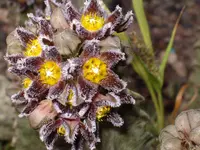
Its small star-shaped flowers emit a faint carrion-like odor and have a textured, brownish surface, an adaptation that helps attract specific fly pollinators that mistake the blooms for decaying organic matter.

Critically endangered in nature

Wild populations have declined severely due to habitat loss, invasive plants, and coastal development, and the species is listed as Critically Endangered on the IUCN Red List, making cultivated plants potentially important for ex situ conservation.

Botan icon

Did you know?

This species shows a high degree of morphological variability across its restricted range, with different island and even local populations displaying distinct stem thickness, branching patterns, and flower coloration, which has led some botanists to debate infraspecific classification and local forms despite its overall narrow distribution.

FAQs about Apteranthes burchardii

Yes. The star-shaped, often malodorous flowers attract mainly flies and some small insects that act as pollinators. The scent and mottled patterns mimic decaying organic matter, guiding insects to the flower surface where pollination occurs.

Grow Healthy Plants with Botan Care

Keep your plants happy and healthy with plant identification, disease detection, and easy care guidance.

Botan plant care app — identify plants on mobile

Explore More Plants