European caralluma Care (Apteranthes europaea)

European caralluma

About European caralluma

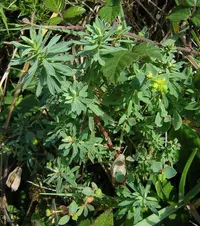
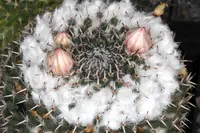
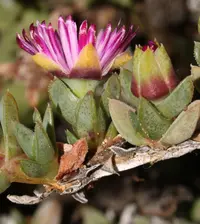
European caralluma, Apteranthes europaea, is a small, leafless succulent from arid regions around the Mediterranean. It forms low, clumping mats of green, angular stems. In suitable conditions it produces unusual star-shaped flowers that may have a strong scent, a common trait in the stapeliad group of succulents. This species is adapted to intense sun, rocky soils, and long dry periods, so it stores water in its fleshy stems. These drought-tolerant traits make it relatively low maintenance, but it can be sensitive to overwatering and cold, especially in containers. Understanding how to care for European caralluma starts with providing fast-draining soil and plenty of light, especially in indoor collections.

Main Plant Requirements

Care Difficulty

Moderate Care

Light Preference

Full Sun

Water Requirements

Low Water

Temperature Preference

Tropical / Frost Sensitive

Hardiness Zone

10–11

Soil Texture

Sandy, Rocky, Loamy

Soil pH

Slightly acidic (6.5–7.0), Neutral (7.0)

Soil Drainage

Well-drained

Fertilization

Minimal (feed rarely)

Get Personalized Care Plan

Scan your plant to receive care tips personalized for your specific plant

Available on iOS and Android

How to Care for the European caralluma

This compact succulent prefers bright, dry conditions that mimic its native Mediterranean habitats.

  • Provide 4–6 hours of direct morning sun plus bright light the rest of the day; light afternoon shade helps prevent scorching in hot, inland summers for European caralluma.
  • In coastal or mild climates it tolerates full sun all day, but in very hot regions protect it from harsh sun between 12–4 pm to avoid stem bleaching and shriveling.
  • If stems stretch, lean, or lose their firm, angular shape, move the plant to a brighter position, especially in low-angle winter light.

This drought-adapted succulent stores moisture in its stems and needs infrequent, careful watering.

  • Water only when the top 3–5 cm of soil are completely dry; in warm, active growth this may mean deep watering every 10–21 days, depending on heat and airflow.
  • Use very fast-draining, gritty soil so water runs through in seconds; roots of Apteranthes europaea should never sit in a saucer or compacted, soggy ground.
  • Reduce watering sharply in cool seasons, giving only light sips when stems slightly soften; pale, mushy stems signal overwatering, while deep wrinkling indicates prolonged drought.

This species prefers warm, dry air and does poorly in prolonged cold or damp conditions.

  • Aim for 70–85°F (21–29°C) during active growth; short peaks up to 95°F (35°C) are tolerated if soil is dry and the site has some air movement.
  • Protect from any frost; growth slows below 55°F (13°C), and damage can occur if temperatures drop under 40°F (4°C), especially in wet soil or cold wind.
  • In regions with winters below 45°F (7°C), grow it in containers that can be moved to a bright, frost-free spot, then gradually re-acclimate to warmer outdoor conditions in spring.

This species prefers dry air and usually does not need extra humidity control indoors.

  • Keep relative humidity around 30–50% to match its native arid conditions.
  • Tolerates very dry air; problems appear more from excess moisture than low humidity.
  • Watch for soft, translucent stems or musty odor as signs of overly humid, stagnant air, and improve air flow rather than adding humidity.

Use a very fast-draining, mineral-based mix to prevent root and stem rot in this succulent.

  • Choose a gritty, sandy mix with minimal organic matter, such as 50–70% pumice, coarse perlite, or grit blended with a light cactus substrate.
  • Ensure water runs through in seconds; if the surface stays wet longer than a few hours, add more mineral material to increase drainage and aeration.
  • Aim for slightly alkaline to neutral pH, roughly 7.0–8.0, which suits Apteranthes europaea and helps limit nutrient toxicity.
  • Avoid peat-heavy, compacted, or water-retentive mixes that stay damp, as these quickly lead to rot in the shallow roots.

This species is very suitable for container growing due to its shallow, fibrous root system and compact habit.

  • Select a broad, shallow pot so the roots can spread laterally while the mix dries quickly between waterings.
  • Use unglazed terracotta if extra evaporation is needed, but switch to plastic in very dry climates to slow moisture loss slightly.
  • Place the container where trailing stems cannot trap water against the rim, reducing stem rot where growth contacts the pot edge.

This drought-adapted succulent needs only light feeding to stay healthy in pots or lean soils.

  • Use a balanced liquid fertilizer (around 10-10-10) diluted to 25–50% strength for European caralluma in active growth.
  • Feed once every 4–6 weeks during spring and summer; skip feeding if growth is weak due to low light.
  • Stop or greatly reduce fertilizing in fall and winter when the plant is semi-dormant.
  • Avoid rich composts or heavy slow-release pellets that hold moisture, which can increase rot risk.

Pruning is mainly used to maintain shape and remove unhealthy growth on Apteranthes europaea.

  • Carry out light pruning in late spring or early summer, when growth is active.
  • Remove dead, shriveled, or damaged stems at the base using clean, sharp scissors or pruning snips.
  • Thin out crowded or crossing stems to improve air flow and keep the clump compact.
  • Avoid heavy cutting on young plants; leave enough healthy stems to sustain growth and flowering.

This species grows slowly and only needs infrequent repotting in well-drained containers.

  • Check for roots circling the pot, emerging from drainage holes, or noticeably slowed growth as signs to repot.
  • Plan to repot every 3–4 years in late spring, using a cactus or succulent mix with extra mineral grit.
  • Lift the plant gently, tease apart circling roots minimally, and trim only dried or rotten roots with sterile tools.
  • Place in a slightly larger pot, keep the root ball firm but not compressed, then wait 5–7 days before the first light watering to reduce stress.

Propagation is commonly done from stem cuttings, with seeds used less often for home growers.

  • Take healthy, non-shriveled stem cuttings in late spring or early summer for best rooting.
  • Allow cut ends to callus in a dry, shaded spot for 3–7 days to reduce rot risk.
  • Set cuttings upright in a gritty, barely moist cactus mix and keep warmth (70–80°F) and bright, indirect light.
  • For seeds, sow on the surface of a fast-draining mix, keep slightly moist, and maintain stable warmth until germination.

This succulent is not frost tolerant and needs protection in climates with cold winters.

  • Maintain indoor temperatures around 55–65°F in winter and provide bright, indirect light or a grow light.
  • Move container plants indoors before nights reach 40°F, avoiding sudden temperature swings.
  • Reduce watering sharply, keeping the soil almost dry to prevent cold-related root rot.
  • Do not allow ice or snow to contact stems; any outdoor plants in mild regions benefit from a gravel mulch around the base.

Care Tips

Pot shape choice

Use a wide, shallow terracotta pot rather than a deep one to match the shallow root system and reduce the risk of water lingering around the roots.

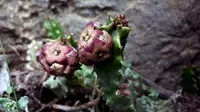
Gritty top dressing

Apply a 1–2 cm layer of coarse gravel or pumice on the soil surface to keep stems dry at the base, discourage fungus gnats, and improve air movement around the crown.

Careful stem support

If long stems start to sprawl and lever the plant out of the soil, pin them down gently with U-shaped wire pins or small rocks to stabilize the root zone without burying the stem joints.

Cool-season resting

From late fall to early spring, keep the plant slightly cooler, brighter, and much drier to respect its natural rest period, which encourages tighter growth and better flowering in the next warm season.

Proactive pest checks

Inspect crevices between stems every 1–2 weeks with a hand lens so mealybugs or scale are caught early and can be removed with a cotton swab and alcohol, which is a key part of Apteranthes europaea plant care in indoor collections.

Common Pests and Diseases

Mealybugs

This pest feeds on sap and often hides in stem joints and along the ridged surfaces of the succulent stems, leaving white cottony clusters. Symptoms include stunted growth, honeydew, and sooty mold on nearby surfaces.

Solution

Isolate the plant, then dab visible insects with cotton swabs dipped in 70% isopropyl alcohol and repeat weekly until no new clusters appear. Improve light and air movement, and if the infestation is larger, use several applications of a ready-to-use insecticidal soap, coating all stem surfaces and crevices.

Soft scale

These insects attach to the fleshy stems as small, dome-shaped bumps and suck plant sap, which can lead to yellowing segments and sticky honeydew. Infestations tend to build slowly but can substantially weaken the plant under indoor conditions.

Solution

Gently scrape or wipe off visible scales with a soft cloth or cotton swab dipped in 70% isopropyl alcohol, then rinse the plant with lukewarm water. For persistent problems, apply horticultural oil or insecticidal soap, making sure to wet all sides of the stems, and repeat every 7–10 days for several cycles.

Root mealybugs

This pest lives around the roots and in the potting mix, forming cottony masses that are only visible when the plant is unpotted. Symptoms include unexplained decline, poor growth, and yellowing or shriveling stems despite apparently correct watering.

Solution

Unpot the plant, discard all old substrate, and wash the roots under a gentle stream of lukewarm water to remove pests and debris. Trim any dead roots, soak the root system briefly in a diluted systemic insecticide labeled for container succulents or in a 70% alcohol solution, then repot in fresh, very well-draining mineral mix and keep slightly on the dry side for 1–2 weeks.

Fusarium stem rot

This disease causes localized soft, yellow to brown areas on the succulent stems that may sink in and spread along the ridges, often starting where water sits or at old injury sites. Advanced infection leads to collapse of affected segments and can move into the crown from a single infected area.

Solution

Cut out all affected stem tissue well into healthy, firm material using a sterile knife, and discard any badly affected segments. Reduce watering, avoid wetting the stems, increase airflow and light, and if multiple plants are affected, consider a drench with a fungicide labeled for Fusarium on ornamentals in containers.

Bacterial soft rot

This disease leads to rapidly spreading, foul-smelling, mushy areas on the succulent stems, often following mechanical damage or prolonged high humidity. Symptoms include watery, translucent patches that quickly collapse and may ooze when pressed.

Solution

Remove the plant from nearby specimens, cut away all rotting tissue with sterile tools, and discard severely affected stems and potting mix in the trash. Allow remaining healthy cut surfaces to dry and callus in bright, dry conditions, then repot in fresh, sharply draining mix and adjust watering so stems dry quickly after each irrigation, following European caralluma care instructions that emphasize arid conditions.

Interesting Facts

Highly reduced leaves

This species has leaves so reduced that they are essentially invisible, with photosynthesis carried out almost entirely by the green, fleshy stems, an adaptation to minimize water loss in its arid native habitats.

Specialized fly pollination

Its small, star-shaped flowers emit a faint carrion-like odor and display dull, brownish tones that attract specific flies, which act as pollinators by mistaking the flowers for decomposing organic material.

Segmented, jointed stems

The plant forms narrow, cylindrical stems made of distinct, jointed segments that detach and root when they fall, allowing vegetative spread in harsh, rocky environments.

Botan icon

Did you know?

Apteranthes europaea often grows embedded among stones or in rock crevices around the Mediterranean Basin, where the rock matrix buffers temperature extremes and helps conserve tiny amounts of moisture that the plant can exploit to survive prolonged drought.

FAQs about European caralluma

Lack of flowers usually comes from insufficient light, cool temperatures, or nutrient-rich soil that stays too moist. This desert species needs strong light, a pronounced dry rest period, and lean, very free-draining substrate to initiate buds.

Grow Healthy Plants with Botan Care

Keep your plants happy and healthy with plant identification, disease detection, and easy care guidance.

Botan plant care app — identify plants on mobile

Explore More Plants