redstem purslane Care (Portulaca rubricaulis)

redstem purslane

About redstem purslane

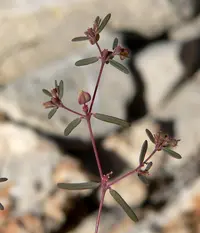
Redstem purslane (Portulaca rubricaulis) is a low, spreading succulent herb with smooth red or reddish-purple stems and small, fleshy leaves. It often forms loose mats that hug the ground.

This species is native to tropical and subtropical regions and is commonly found in sandy or disturbed soils, coastal areas, and open, sunny sites. Its succulent tissues store water, which makes it quite drought tolerant and generally easy to maintain.

For those learning how to care for redstem purslane, it helps to know that it adapts well to poor, well-drained soils and prefers bright light and moderate moisture. These traits make it a resilient choice for warm, dry gardens and containers.

Main Plant Requirements

Care Difficulty

Easy Care

Light Preference

Full Sun

Water Requirements

Low Water

Temperature Preference

Tropical / Frost Sensitive

Hardiness Zone

10–12

Soil Texture

Sandy, Loamy, Rocky

Soil pH

Slightly acidic (6.5–7.0), Neutral (7.0)

Soil Drainage

Well-drained

Fertilization

Minimal (feed rarely)

Get Personalized Care Plan

Scan your plant to receive care tips personalized for your specific plant

Available on iOS and Android

How to Care for the redstem purslane

This sun-loving succulent thrives in strong light and open, exposed sites.

  • Provide 6–8 hours of direct sun daily; morning to early afternoon sun promotes dense, low growth and abundant flowers in redstem purslane.
  • Plant in a position with full sun but allow light afternoon shade in very hot regions to limit leaf scorch and excessive moisture loss.
  • In late fall and winter, growth slows; longer shade periods result in stretched, weak stems, so choose the brightest outdoor spot available.

This plant stores water in its fleshy stems and needs infrequent, careful watering.

  • Allow the top 3–5 cm of soil to dry completely before watering, then soak the root zone once and let excess drain away quickly.
  • Use gritty, sharply drained soil; persistent wetness, yellowing leaves, and mushy stems indicate overwatering and possible root rot.
  • In hot summer, drought-stressed Portulaca rubricaulis wilts slightly but recovers fast after watering; in cooler seasons, reduce watering to prevent cold, soggy soil.

This warm-season succulent prefers hot conditions and does poorly in cold weather.

  • Aim for 70–90°F (21–32°C) during active growth; it tolerates brief peaks near 100°F (38°C) if soil is free-draining and roots are not waterlogged.
  • Avoid temperatures below 40°F (4°C); growth stops in cool spells and the plant is usually killed by frost around 32°F (0°C).
  • In spring, plant out only after nights stay above 50°F (10°C); in fall, expect foliage decline once temperatures consistently drop below 45°F (7°C).

Humidity is not a critical factor for this drought-adapted succulent.

This species prefers very fast-draining, sandy soil that dries quickly between waterings.

  • Use a cactus/succulent mix blended with 20–30% coarse sand or fine gravel to keep the root zone airy.
  • Aim for slightly acidic to neutral pH around 6.0–7.2, avoiding strongly acidic or alkaline mixes.
  • For Portulaca rubricaulis outdoors, mound or raise the planting area to improve runoff in rainy climates.
  • Avoid dense, peat-heavy or clay soils that stay wet, as these promote root rot and weak, leggy growth.

This species is well suited to container growing on sunny patios or balconies.

  • Choose a wide, shallow pot so the spreading stems can trail over the edges without crowding the shallow roots.
  • Select a breathable material such as unglazed terracotta to allow moisture to evaporate faster after heavy watering or rain.
  • Ensure large, unobstructed drainage holes and elevate the pot on feet or bricks so excess water exits quickly during storms.

This drought-tolerant succulent needs only light feeding to support compact growth and flowering.

  • Use a balanced liquid fertilizer at 1/4–1/2 strength or a light top-dressing of fine compost in spring.
  • Feed every 4–6 weeks during active growth while soil is warm and the plant is flowering.
  • Avoid high-nitrogen products that encourage soft, weak growth in redstem purslane.
  • Stop feeding in fall and winter when growth slows or plants are dormant.

Light pruning keeps Portulaca rubricaulis dense, tidy, and flowering well.

  • Best time is late spring through summer, after a flush of blooms has faded.
  • Pinch or trim back leggy, stretched stems to encourage branching and a fuller mat.
  • Remove dead, diseased, or storm-damaged stems with clean, sharp scissors or snips.
  • Shear lightly over large patches to refresh growth, then allow plants to regrow and rebloom.

This plant is most often grown in the ground or shallow containers and dislikes frequent disturbance.

  • Transplant or repot in late spring after frost, when days and soil are consistently warm.
  • Move only when roots fill a shallow pot, growth stalls, or roots circle the drainage holes.
  • Use a gritty, fast-draining mix and a wide, shallow container only 2–3 cm wider than the old one.
  • Handle roots gently, water lightly after planting, and keep slightly shaded for a few days to limit stress.

Portulaca rubricaulis is commonly propagated from stem cuttings or seed during warm weather.

  • Take 5–8 cm non-flowering stem cuttings in late spring or summer and let cut ends dry for 1–2 days.
  • Set cuttings into a sandy, sharply drained mix and keep just barely moist in bright light.
  • Sow seeds on the surface of warm, well-drained soil, pressing in lightly without burying deeply.
  • Maintain temperatures around 70–80°F and good airflow for steady rooting and seedling growth.

This warm-season succulent is frost-sensitive and needs protection in regions with freezing winters.

  • In mild climates, use a light gravel or coarse sand mulch to keep crowns slightly drier and insulated.
  • Where frost occurs, grow in containers and move plants indoors to a bright, cool, frost-free spot.
  • Reduce watering sharply in winter, keeping soil mostly dry to prevent root and stem rot.

Care Tips

Encourage Compact Growth

Pinch back the soft tips of long, floppy stems every 2–3 weeks during active growth to keep plants dense, produce more branching, and increase flower production.

Use Shallow Containers

Plant in wide, shallow pots (no deeper than 10–15 cm) so the naturally shallow roots can spread laterally and the soil dries evenly, which reduces stem rot risk.

Control Self-Seeding

If you do not want the plant to spread or volunteer in nearby beds, remove spent flowers before seed capsules mature and collect any fallen seed-coated debris from the soil surface.

Prevent Stem Rot

Raise container rims slightly on pot feet or bricks so drainage holes never sit in saucers of water, which helps keep thick red stems dry at the base and less prone to rot.

Seasonal Regrowth Strategy

In climates with mild winters, cut back cold-damaged stems in early spring and top-dress with a thin layer of fresh, gritty mix to encourage vigorous regrowth when growing redstem purslane outdoors.

Common Pests and Diseases

Mealybugs

This pest feeds on tender stems and leaf joints, sucking sap and causing stunted, distorted growth, especially on soft new shoots. Symptoms include white cottony clusters along the reddish stems and at the base of leaves.

Solution

Isolate the plant, then dab visible insects with cotton swabs dipped in 70% isopropyl alcohol and gently wipe colonies from stems. For heavier infestations, rinse the plant thoroughly with a strong but controlled stream of water and repeat treatment with insecticidal soap or a light horticultural oil spray every 7–10 days until no new insects appear.

Aphids

These insects cluster on young stem tips and flower stalks, drawing out sap and causing curling, yellowing, and sticky honeydew deposits. Ant activity on plants often indicates an aphid presence along the fleshy stems.

Solution

Spray stems and foliage with a firm stream of water to dislodge aphids, paying attention to shoot tips and flower stalks. Follow up with insecticidal soap or neem oil, applied in the early morning or evening, and repeat weekly while monitoring new growth for returning colonies.

Spider mites

These pests prefer hot, dry conditions and can cause fine stippling, dull foliage, and webbing along thin stems and leaf edges. Symptoms include overall plant stress and reduced flowering when populations are high.

Solution

Increase humidity around the plant slightly and rinse stems and leaves thoroughly, including undersides, to remove mites and webbing. If needed, apply insecticidal soap or a miticidal horticultural oil, repeating every 5–7 days for several cycles while reducing heat stress and dryness that favor mite outbreaks.

Leaf spot

This disease produces small water-soaked or tan-brown spots on the narrow leaves, sometimes merging into larger blotches that lead to premature leaf drop. Symptoms include spotting that appears or worsens after extended periods of wet foliage or poor air movement.

Solution

Remove and discard affected leaves and any fallen plant debris around the base to reduce pathogen spread. Improve air circulation, avoid overhead watering, and if spotting continues, use a copper-based or broad-spectrum fungicide labeled for ornamental annuals, applied according to label directions.

Stem rot

This disease affects the succulent stems at soil level, causing soft, water-soaked, brown to black tissue and sudden collapse of individual shoots. Symptoms include wilting and lodging of stems despite apparently moist soil, often following prolonged overwatering or poorly drained substrates.

Solution

Promptly cut out and discard affected stems, then allow the soil surface to dry more thoroughly between waterings and ensure the container or bed drains well. In severe or recurring cases, replant healthy cuttings into fresh, well-draining, sandy soil and avoid excess moisture around the crown to reduce future infections while following general Portulaca rubricaulis care instructions.

Interesting Facts

Red pigmented stems

The stems develop a distinct red coloration due to anthocyanin pigments, which can help protect tissues from intense sunlight and UV radiation in open, exposed habitats.

Fleshy drought-adapted leaves

Its small, succulent leaves store water and reduce surface area, allowing the plant to withstand dry, sandy, or rocky soils typical of coastal and disturbed sites.

Prostrate mat-forming habit

The plant grows low and spreading, forming mats that stabilize loose soil and help it colonize open, sun-baked ground where taller competitors struggle to establish.

FAQs about redstem purslane

Yes, this species is generally considered edible and has been eaten as a leafy green in many regions. Only harvest from clean, chemical‑free areas, and positively identify the plant before consumption to avoid confusion with similar weeds.

Grow Healthy Plants with Botan Care

Keep your plants happy and healthy with plant identification, disease detection, and easy care guidance.

Botan plant care app — identify plants on mobile

Explore More Plants