threadstem sandmat Care (Euphorbia revoluta)

Also known as: revolute spurge
threadstem sandmat

About threadstem sandmat

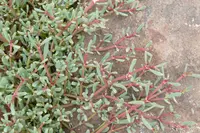
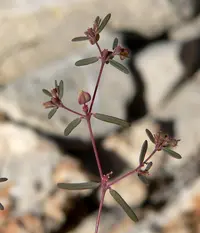
Threadstem sandmat (Euphorbia revoluta) is a small, wiry euphorbia with very slender stems and tiny leaves, forming a low, spreading mat close to the ground. It typically has a sparse, delicate look rather than lush foliage, which helps it cope with dry, open habitats.

This species is naturally found in arid and semi-arid regions, often in sandy or rocky soils with excellent drainage and high light. Its drought tolerance and modest nutrient needs can make it relatively easy to maintain if overwatering is avoided.

Gardeners who want to learn how to care for threadstem sandmat should focus mainly on sharp drainage, bright light, and avoiding heavy, constantly wet soils.

Main Plant Requirements

Care Difficulty

Moderate Care

Light Preference

Full Sun

Water Requirements

Low Water

Temperature Preference

Warm Climate

Hardiness Zone

9–11

Soil Texture

Sandy, Loamy, Rocky

Soil pH

Slightly acidic (6.5–7.0), Neutral (7.0)

Soil Drainage

Well-drained

Fertilization

Minimal (feed rarely)

Get Personalized Care Plan

Scan your plant to receive care tips personalized for your specific plant

Available on iOS and Android

How to Care for the threadstem sandmat

This species prefers bright, open conditions similar to its native dry habitats.

  • Provide 6–8 hours of direct sun daily, ideally full morning sun with some light afternoon shade in very hot regions to limit leaf scorch.
  • Accepts light partial shade for a few hours, but prolonged shade causes leggy, weak growth and sparse foliage in threadstem sandmat.
  • In summer, avoid sudden moves from shade to full sun; in cooler seasons, choose the sunniest spot available to compensate for shorter daylight.

Watering should mimic dryland conditions with thorough but infrequent moisture.

  • Allow the top 3–5 cm of soil to dry completely before watering, then soak deeply so water drains quickly from the root zone.
  • Reduce watering in cool seasons, providing only enough to prevent complete soil desiccation and shrinking away from roots in Euphorbia revoluta.
  • Watch for signs: yellowing, soft stems, and persistent wet soil indicate overwatering, while shriveling or crisp foliage and very light soil indicate underwatering.

Consistent warmth supports best growth for this drought-adapted species.

  • Aim for 70–85°F (21–29°C) during active growth, with slightly cooler nights that remain above 60°F (16°C).
  • Tolerates brief heat up to 95°F (35°C) if soil is fast-draining and the plant is not waterlogged, but intense heat with reflected sun may cause stress.
  • Protect from cold below 40°F (4°C); exposure near 32°F (0°C) risks tissue damage, and hard frost can kill above-ground parts.

This species tolerates typical indoor humidity without special measures.

  • Aim for 30–50% humidity; avoid prolonged levels above 70% that encourage fungal issues on threadstem sandmat stems.
  • Dry indoor air rarely harms the plant, but combined with strong heat it can cause slight leaf edge crisping.
  • If air is very dry and hot, increase humidity indirectly by grouping plants and keeping them away from heating vents.

This species prefers a very fast-draining, mineral-based substrate similar to desert soils.

  • Use a gritty mix such as 50–60% cactus potting mix blended with coarse sand and small pumice or perlite pieces for Euphorbia revoluta.
  • Aim for slightly acidic to neutral pH, roughly 6.0–7.0, which supports nutrient availability without stressing the roots.
  • Increase aeration by including 5–10 mm gravel or crushed lava rock, especially near the bottom of the container layer.
  • Avoid heavy loam, peat-heavy blends, or compacted garden soil that retain water and raise the risk of root and stem rot.

This species is well suited to container growing due to its compact, drought-tolerant root system.

  • Choose a wide, shallow pot that matches the plant’s lateral spread, which helps prevent tipping and mimics its natural shallow rooting pattern.
  • Use a container material with moderate porosity, such as unglazed clay, to let the mix dry quickly between waterings and limit root rot risk.
  • Raise the pot slightly on feet or mesh so drainage holes stay clear and water does not pool under the container after irrigation.

This drought-adapted species needs only modest feeding, so focus on light, infrequent applications during active growth.

  • Use a low-dose, balanced NPK liquid fertilizer at 1/4–1/2 strength for threadstem sandmat in spring and early summer.
  • Apply every 4–6 weeks during the growing season if growth appears weak or soil is very poor.
  • Avoid feeding in fall and winter, when growth slows and salts can accumulate in the root zone.
  • Do not apply fertilizer to dry soil; water first to limit root burn and stress.

Euphorbia revoluta only needs light, targeted pruning to maintain a tidy, compact form.

  • Best timing is late winter to early spring, before strong new growth begins.
  • Remove dead, damaged, or crossing stems with clean, sharp scissors or small pruners.
  • Shorten overly long or sprawling stems to encourage denser branching and a lower profile.
  • Wear gloves and avoid skin contact with the milky sap, which can be irritating.

This plant is usually grown in the ground, where transplanting is rare and should be done with care to protect the root system.

  • Transplant in late winter to early spring, when temperatures are mild and growth is just restarting.
  • Look for slow growth, poor vigor, or crowding in a bed as signs a clump needs relocating or dividing.
  • Lift with a wide soil ball, keeping roots as intact as possible, and replant at the same depth in gritty, fast-draining soil.
  • Water lightly after transplanting, then allow the soil to partly dry between waterings to reduce root rot risk.

This species is most often propagated by seeds or carefully handled stem cuttings under warm, bright, and dry-leaning conditions.

  • Sow fresh seed in late winter–spring in a sandy, well-drained mix, barely covering the seeds.
  • Maintain 70–75°F, bright indirect light, and evenly moist but never wet substrate for germination.
  • Take short, non-flowering stem cuttings in late spring, allow the cut ends to callus for several days, then set into dry, gritty mix.
  • Water cuttings sparingly until clear root growth appears, then increase watering frequency slightly.

This species has some drought and heat adaptation but is not suited to prolonged hard frost and benefits from simple winter precautions in colder climates.

  • In regions below about 25°F, grow in containers and move plants indoors to a bright, cool, frost-free space.
  • Outdoors in mild climates, use a light, dry mulch around the root zone, keeping material off the stems.
  • Ensure soil drains quickly in winter; avoid soggy conditions that increase cold damage and root rot risk.

Care Tips

Use mineral mulch

Top-dress the soil surface with a thin layer of coarse grit or small gravel to keep the stem base dry, reduce algae and moss, and stabilize this shallow-rooted plant without trapping excess moisture.

Rotate for even form

Turn the pot 90° every 2–3 weeks during active growth so the plant receives more even light from all sides and develops a balanced, low cushion instead of leaning toward one direction.

Control plant density

If stems become crowded, gently thin or divide congested clumps during warm, dry weather to improve airflow, reduce rot risk at the crown, and create backup plants from healthy offsets.

Shield from heavy rain

When grown outdoors in containers, move the pot under an overhang or temporary cover during prolonged rain to protect the fine stems and crown from staying saturated for long periods.

Inspect latex safely

When pruning or handling broken stems, wear gloves and avoid skin and eye contact with the white latex sap, then rinse tools afterward to prevent irritation and accidental transfer to other plants when caring for threadstem sandmat.

Common Pests and Diseases

Sap-sucking aphids

These insects feed on tender stems and young leaves, causing distortion, yellowing, and sticky honeydew that can attract sooty mold on this dwarf Euphorbia.

Solution

Rinse infested stems with a firm stream of water and remove heavily affected shoot tips; for persistent colonies, apply an insecticidal soap or neem oil solution to all green tissue, repeating every 7–10 days until no new aphids appear.

Mealybugs

This pest hides in stem joints and along the thin shoots, forming white cottony masses and weakening the plant through prolonged sap loss.

Solution

Isolate the plant, dab visible insects with cotton swabs dipped in 70% isopropyl alcohol, then treat the whole plant with insecticidal soap or horticultural oil, paying special attention to crevices and repeating treatments to catch newly hatched nymphs.

Spider mites

These insects thrive on threadlike, sun-exposed stems in dry conditions, causing fine webbing, speckled foliage, and a general dull, stressed appearance.

Solution

Increase humidity around the plant, regularly hose down the stems to dislodge mites, and use insecticidal soap or a light horticultural oil spray on all surfaces, repeating weekly until stippling and webbing stop increasing.

Powdery mildew

This disease appears as white, powdery patches on stems and small leaves, more often when airflow is poor and humidity fluctuates around dense clumps of growth.

Solution

Improve air circulation, avoid overhead watering, remove badly infected portions, and apply a sulfur-based or potassium bicarbonate-based fungicide labeled for ornamentals, treating both upper and lower plant surfaces.

Crown and stem canker

Symptoms include sunken, darkened lesions at the stem base or along lower shoots, sometimes leading to dieback of thin stems in overly wet or compacted substrates.

Solution

Cut out and discard affected stems well below the damaged area, allow the growing medium to dry between waterings, improve drainage with a gritty mix, and avoid overhead watering onto the crown to reduce future infection risk as part of Euphorbia revoluta care.

Interesting Facts

Threadlike stem habit

This species forms very slender, almost wiry stems that creep close to the ground, giving the plant a delicate, threadlike appearance compared with many other Euphorbia species.

Seasonal leaf reduction

In dry or stressful periods it can drastically reduce its small leaf surface, relying on its stems to maintain minimal photosynthesis while limiting water loss.

Latex defense strategy

Like other spurges, it produces a white latex sap that helps seal wounds and deters many herbivores, but in Euphorbia revoluta the fine stems make even small breaks visibly exude sap.

FAQs about threadstem sandmat

This species contains a milky sap typical of many spurges. The sap can irritate skin, eyes, and the digestive tract if chewed. Keep it away from children and pets, and wear gloves when pruning.

Grow Healthy Plants with Botan Care

Keep your plants happy and healthy with plant identification, disease detection, and easy care guidance.


Botan plant care app — identify plants on mobile

Explore More Plants