inland pigface Care (Carpobrotus modestus)

inland pigface

About inland pigface

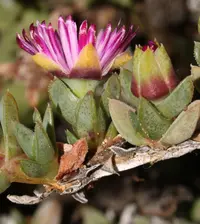
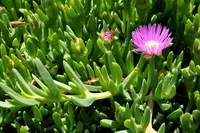
Inland pigface (Carpobrotus modestus) is a low, spreading succulent groundcover with thick, triangular leaves and large, daisy-like pink to purple flowers. It often forms dense mats that stabilize sandy or rocky soils.

This species is native to inland and arid regions of Australia, where it tolerates heat, drought, and poor, well-drained soils. Its toughness and shallow, fibrous root system make it useful for erosion control in dry landscapes.

The plant is generally easy to grow for those who learn how to care for inland pigface, as it prefers full sun, minimal watering, and sharply draining soil.

Main Plant Requirements

Care Difficulty

Easy Care

Light Preference

Full Sun

Water Requirements

Low Water

Temperature Preference

Warm Climate

Hardiness Zone

9–11

Soil Texture

Sandy, Loamy, Rocky

Soil pH

Slightly acidic (6.5–7.0), Slightly alkaline (7.0–7.5)

Soil Drainage

Well-drained

Fertilization

Minimal (feed rarely)

Get Personalized Care Plan

Scan your plant to receive care tips personalized for your specific plant

Available on iOS and Android

How to Care for the inland pigface

This coastal succulent thrives in strong light and handles intense sun when established.

  • Provide 6–8 hours of direct sun daily; full sun suits inland pigface best in coastal or open, breezy sites.
  • In hotter inland areas, aim for morning sun and light afternoon shade to reduce leaf scorch and fading color.
  • Plants tolerate light partial shade (3–4 hours sun), but stems stretch and flowering drops if shade persists, especially in winter.

This drought-adapted groundcover prefers deep but infrequent watering once established.

  • Water only when the top 3–5 cm of soil are completely dry; in sandy coastal soils this may mean long gaps between waterings.
  • Ensure sharply drained soil; pooling water, a sour smell, or translucent, mushy leaves indicate overwatering and root rot risk for Carpobrotus modestus.
  • Wrinkling, soft but not mushy leaves and slight leaf folding signal underwatering; give a thorough soak, then allow full drying again, especially in summer.

This species prefers warm, dry conditions and tolerates heat better than cold.

  • Ideal growth occurs around 65–80°F (18–27°C), with best flowering in consistently warm, bright weather.
  • Mature plants usually tolerate brief drops to about 25–28°F (-4 to -2°C), but foliage may burn and young plants are more vulnerable.
  • Protect from hard or repeated frosts below 25°F (-4°C); in extreme summer heat above 100°F (38°C), flowering can pause, so prioritize airflow and avoid heat-reflective walls.

Humidity is not a critical factor for Carpobrotus modestus, which is adapted to very dry conditions.

Carpobrotus modestus thrives in lean, fast-draining, sandy substrates that mimic coastal or inland dune conditions.

  • Use a mix of roughly 60–70% coarse sand or fine gravel with 30–40% cactus/succulent potting mix to maximize drainage.
  • Aim for slightly acidic to neutral pH around 6.0–7.5, avoiding strongly acidic or alkaline media that can limit nutrient uptake.
  • Keep organic content low; excessive compost or peat holds too much moisture and encourages root rot in this succulent groundcover.
  • If soil is heavy or tends to crust, blend in additional grit or pumice to improve aeration and prevent waterlogging after rain or irrigation.

This species adapts well to container culture, including low, wide pots and hanging baskets for inland pigface.

  • Choose a low, broad container so stems can trail over the edge without the plant becoming unbalanced in wind or on raised sites.
  • Select a gritty succulent mix and ensure excess water exits within seconds after watering to prevent water retention around the roots.
  • Use a heavier pot material, such as ceramic or concrete, if the container will be outdoors in exposed locations to reduce tipping from spreading growth.

Carpobrotus modestus is a low-nutrient coastal succulent that needs only modest feeding in containers or poor soils.

  • Use a light application of balanced slow-release fertilizer (around 10-10-10) or a thin layer of compost in early spring.
  • Feed indoor or container plants once at the start of the growing season, then again midsummer if growth is pale or weak.
  • Dilute liquid fertilizer to 1/4–1/2 strength and apply to moist soil to avoid root burn.
  • Stop feeding in late fall and winter, as inland pigface slows growth and excess nutrients can cause soft, cold-sensitive tissue.

Pruning Carpobrotus modestus helps manage spread, remove damaged growth, and keep flowering mats dense.

  • Trim back leggy, sprawling stems in late winter or early spring before strong new growth starts.
  • Remove dead, diseased, or storm-damaged segments promptly using clean, sharp scissors or hand pruners.
  • Shorten overcrowded runners to shape the plant and maintain a low, even groundcover.
  • After flowering flushes, lightly shear spent tips to encourage branching and additional blooms.

This ground-hugging succulent is usually grown in the ground, with transplanting focused on controlling spread or establishing new patches.

  • Look for roots circling the pot, soil drying very quickly, or stunted growth as signs container plants need a larger space.
  • Transplant in spring or early summer when soils are warming and recovery is fastest, typically every 2–3 years in pots.
  • Lift plants with a wide trowel, keeping a generous root-and-soil clump to reduce disturbance and water stress.
  • Set into very free-draining, sandy soil at the same depth, firm gently, and water once, then allow soil to dry between light follow-up waterings.

Carpobrotus modestus is commonly multiplied to extend groundcover or restore sandy sites.

  • Use tip cuttings or short stem sections with several nodes taken in spring or early summer.
  • Allow cut ends to dry for 1–2 days, then place into sharply drained sandy mix kept barely moist and in bright light.
  • For division, lift small clumps and separate rooted segments, replanting immediately at the same depth.
  • Seeds can also be sown in warm conditions, in a gritty mix with good airflow and minimal surface moisture to limit rot.

This coastal succulent prefers mild winters and may suffer in prolonged freezes.

  • Tolerates light frosts but is damaged by sustained temperatures below about 25°F, especially in wet soils.
  • In cooler regions, grow in containers and move plants indoors or into a bright, frost-free space for winter.
  • In-ground plantings benefit from very free-draining, sandy soil; avoid heavy mulches that trap moisture around stems.

Care Tips

Encourage Ground Cover

Pinch back overly long runners in early spring to encourage branching, then lightly press young side shoots onto the soil so they root and create a denser, weed-suppressing mat.

Stabilize Sandy Slopes

On banks or dunes, plant cuttings in shallow horizontal trenches and secure the stems with U-shaped landscape pins so they root along their length and better stabilize loose soil.

Salt and Wind Tolerance

In coastal gardens, use this plant as a front-line buffer against salt spray and wind, placing it on the outer edge of beds so more sensitive species can grow in its shelter behind.

Low-Maintenance Edging

When using it as a path or driveway edge, trim stems that extend into walking or driving areas and replant the cut, non-woody tips immediately into open spots where new coverage is needed.

Targeted Fruit Management

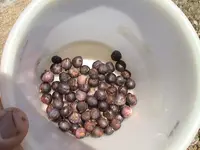
Harvest ripe fruits promptly to reduce self-seeding and potential spread, leaving only a few desirable fruits to mature in controlled spots when growing inland pigface for wildlife or personal use.

Common Pests and Diseases

Mealybugs

This pest feeds on sap in leaf joints and along stems, often appearing as small white cottony clusters on inland pigface. Symptoms include stunted growth, distorted new leaves, and sticky honeydew on surrounding surfaces.

Solution

Remove visible insects with a cotton swab dipped in 70% isopropyl alcohol and rinse the plant with a strong but controlled stream of water to dislodge remaining bugs. For persistent infestations, use an insecticidal soap or horticultural oil spray, repeating every 7–10 days and reducing excess nitrogen fertilizer that promotes soft growth.

Scale insects

These insects appear as small, hard, dome-shaped bumps on stems and leaf surfaces, remaining fixed in place while sucking sap. Symptoms include yellowing or dull foliage and a general decline in vigor over time.

Solution

Gently scrape or wipe off individual scales with a soft cloth or fingernail, then treat affected areas with horticultural oil to suffocate remaining insects and eggs. Monitor closely and repeat treatment as needed, avoiding oil applications during very hot periods above about 85°F to prevent tissue damage.

Aphids

This pest clusters on tender shoot tips and flower stems, sucking sap and excreting sticky honeydew that can lead to sooty mold. Symptoms include curled new growth, distorted flowers, and presence of ants farming the insects.

Solution

Wash affected stems thoroughly with a firm stream of water to remove colonies, repeating every few days until populations drop. If numbers remain high, apply insecticidal soap to all infested surfaces, ensuring full coverage of undersides, and reduce nearby weed growth that can harbor aphids.

Leaf spot

This disease causes small brown or dark spots on the fleshy leaves, sometimes with a pale margin and slight sunken appearance. Symptoms include scattered lesions that can merge into larger patches under humid or poorly ventilated conditions.

Solution

Remove and discard affected leaves to limit spread, and avoid overhead watering that keeps foliage wet for long periods. Improve air movement, water at the base early in the day, and if spotting continues in high-value plantings, consider a labeled copper-based fungicide applied according to local guidelines.

Botrytis blight

This disease develops as soft, water-soaked lesions on leaves or stems that may become covered with gray, fuzzy mold, especially in cool, damp weather. Symptoms include collapsing sections of the mat and premature decay of flowers or new growth.

Solution

Trim out and dispose of all affected tissue, then increase sun exposure and airflow while reducing crowding and excess surface moisture. Avoid wetting foliage, improve drainage so plants are not sitting in saturated soil, and in severe or recurring cases use a suitable fungicide labeled for Botrytis on ornamental succulents, following all safety directions.

Interesting Facts

Specialist inland succulent

This species is one of the few pigface iceplants native to arid inland Australia, naturally occurring along sandy river flats and inland dunes rather than coastal dunes like many related species.

Important dune stabiliser

Its creeping, mat-forming growth binds loose inland sand and soil, helping to stabilize river banks and dune systems and reduce erosion in semi-arid landscapes.

Distinctive pale flowers

The plant produces yellow to pale pink daisy-like flowers that differ from the brighter, often purple blooms of many coastal Carpobrotus relatives, making it a useful trait for field identification.

FAQs about inland pigface

This species spreads by trailing stems that root at the nodes, forming a dense mat over time. In suitable sandy or coastal-style gardens it can cover large areas, so allow ample space and edge or prune if necessary.

Grow Healthy Plants with Botan Care

Keep your plants happy and healthy with plant identification, disease detection, and easy care guidance.

Botan plant care app — identify plants on mobile

Explore More Plants