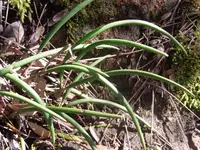
Einsel's Columbine Care (Aquilegia einseleana)

Einsel's Columbine

About Einsel's Columbine

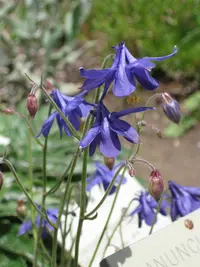
Einsel's columbine, Aquilegia einseleana, is a compact alpine perennial from the central and eastern Alps. It typically forms low clumps with delicate, divided leaves and nodding, violet-blue flowers. Plants usually bloom in late spring to early summer and suit cool, rocky, or gravelly garden settings.

In nature it grows on limestone slopes, meadows, and open woodland edges, where soils are well-drained but not extremely dry. It is generally moderate in difficulty, as it dislikes waterlogging and very hot, exposed sites. Gardeners who learn how to care for Einsel's Columbine usually find it reliable in cool, temperate climates.

This species prefers light, humus-rich soil, steady moisture without soggy conditions, and light shade to gentle sun, especially in warmer regions.


Main Plant Requirements

Care Difficulty

Moderate Care

Light Preference

Partial Shade

Water Requirements

Moderate Water

Temperature Preference

Cold Hardy

Hardiness Zone

4–8

Soil Texture

Loamy, Rocky, Organic-rich

Soil pH

Acidic (5.5–6.5), Slightly acidic (6.5–7.0)

Soil Drainage

Moist but well-drained

Fertilization

Minimal (feed rarely)

Get Personalized Care Plan

Scan your plant to receive care tips personalized for your specific plant

Available on iOS and Android

How to Care for the Einsel's Columbine

This alpine columbine prefers bright, cool light with some daily shade for best flowering.

  • Provide 4–6 hours of morning sun with light or dappled shade in the hotter afternoon, especially in warmer climates.
  • Plant Einsel's Columbine where it receives partial shade, such as the east or north side of taller plants, shrubs, or light tree canopy.
  • In summer, watch for leaf scorch, faded flowers, or drooping at midday as signs of too much direct sun, and for weak, leggy stems as a sign of insufficient light.

This species prefers evenly moist, well-drained soil and does not tolerate waterlogged conditions.

  • Water when the top 3–5 cm of soil feels dry, using a slow soak at the base so moisture reaches the root zone without puddling.
  • In spring and early summer, when Aquilegia einseleana is actively growing and flowering, expect more frequent watering, then reduce as temperatures drop and growth slows.
  • Watch for yellowing, soft foliage or a sour soil smell as signs of overwatering, and dull, limp leaves or rapid wilting as indicators of underwatering.

This alpine perennial is cold-hardy but prefers cool to mild temperatures during active growth.

  • Optimal growth occurs around 55–70°F (13–21°C), with flowering strongest in cool spring and early summer conditions.
  • Mature plants tolerate winter lows down to about 0°F (-18°C) with good drainage and mulch, but young plants benefit from protection from severe freeze-thaw cycles.
  • In hot summers above 80–85°F (27–29°C), provide extra shade and mulch to keep roots cool, as prolonged heat can shorten bloom time and stress foliage.

Humidity is rarely a concern, as this species adapts well to typical outdoor conditions in temperate climates.

This alpine columbine prefers cool, moist, but free-draining soil that never stays waterlogged.

  • Use a loose, crumbly loam enriched with well-rotted compost to provide moisture retention without compaction.
  • Ensure very sharp drainage by incorporating coarse sand or fine grit at 20–30% of the volume, especially in heavy soils.
  • Aim for slightly acidic to neutral pH (6.0–7.0), avoiding highly alkaline or strongly acidic substrates that limit nutrient uptake.
  • Avoid dense clay and poorly aerated spots; raised beds or mounded planting areas help keep roots oxygenated and prevent rot in Aquilegia einseleana.

This species can be grown in containers for cool patios or rock-garden displays if moisture and drainage are carefully balanced.

  • Choose a deep, narrow container that matches the taproot depth, preventing root crowding while limiting excess surface evaporation.
  • Select a heavy, stable pot material such as clay or ceramic to keep tall flowering stems from tipping in wind.
  • Fill with a gritty, loam-based mix over a coarse drainage layer so water moves quickly away from the crown while the root zone stays evenly moist for growing Einsel's Columbine.

This mountain columbine grows best in moderately fertile soil, benefiting from light feeding rather than heavy fertilization.

  • Apply a balanced, slow-release fertilizer or a light layer of compost in early spring as growth begins.
  • Use a low to moderate NPK product at half the label strength to avoid soft, weak growth in Einsel's Columbine.
  • Feed once more in midseason if soil is poor; skip extra feeding on rich garden soils.
  • Stop fertilizing in late summer so plants can harden off before dormancy and winter conditions.

Thoughtful pruning keeps Aquilegia einseleana compact, healthy, and blooming well.

  • In late spring or after the main bloom, deadhead spent flower stalks to encourage a cleaner look and occasional rebloom.
  • Remove dead, damaged, or diseased leaves whenever noticed, using clean, sharp scissors or hand pruners.
  • In late fall, cut back dry foliage to just above ground level to reduce overwintering pests and tidy the clump.
  • Thin crowded stems lightly to improve airflow, which helps limit fungal leaf spots and maintains a neat mound shape.

This small columbine is usually grown in the ground, so focus on careful transplanting rather than frequent repotting.

  • Transplant in early spring or early fall, when temperatures are mild and soil stays evenly moist.
  • Move plants only when necessary, such as when clumps outgrow their space or flowering declines despite good care.
  • Lift with a wide soil ball to keep roots intact, then replant at the same depth in well-drained soil.
  • Water thoroughly after transplanting, shade lightly for a few days, and keep soil evenly moist to limit transplant shock.

New Aquilegia einseleana plants are most often raised from seed rather than division.

  • Sow fresh seed in late summer or fall outdoors, allowing natural winter cold to provide stratification for better germination.
  • For indoor sowing, chill moist seed in the refrigerator for 4–6 weeks before placing in a cool, bright spot to sprout.
  • Use a free-draining seed mix, keep it just moist, and avoid covering seeds heavily since light helps germination.
  • Leave some flowers to set seed in the garden if a gentle, naturalized colony is acceptable.

This alpine columbine is cold hardy and usually needs minimal winter attention in the ground.

  • Tolerates typical winter frosts once established, especially in well-drained soil.
  • After hard frost, cut back dead stems to reduce disease carryover if desired.
  • Apply a light mulch layer around, not on top of, crowns to buffer freeze–thaw cycles in colder regions.
  • Move container-grown plants into a sheltered, unheated area where soil does not stay waterlogged.

Care Tips

Self‑seeding management

After flowering, leave a few spent blooms to form seed pods, then shake the ripe pods over bare soil in late summer to maintain a natural colony while deadheading the rest to prevent excessive self‑seeding into paths or nearby beds.

Alpine-style mulching

Apply a thin, open mineral mulch such as fine gravel or grit around the crown to keep the collar dry, reduce soil splash, and mimic the plant’s natural rocky habitat without burying the crown itself.

Root disturbance control

Mark clumps clearly and avoid frequent lifting or dividing, as this species resents root disturbance; instead, renew planting density by transplanting self-sown seedlings when they are small and the soil is cool and moist.

Targeted slug protection

In early spring, place low pet-safe slug barriers or iron phosphate pellets around emerging foliage, focusing protection on young shoots, which are far more vulnerable than mature leaves.

Fungal disease monitoring

Inspect foliage weekly in damp weather and remove any leaves showing spotting or mildew, improving air movement around plants to reduce humidity on the foliage, which is an important part of caring for Einsel's Columbine in wetter climates.

Common Pests and Diseases

Columbine leaf miner

This pest creates winding, pale tunnels inside the leaves, which can cause significant cosmetic damage to the foliage of Aquilegia einseleana. Symptoms include blotchy or serpentine trails that eventually turn brown and dry.

Solution

Remove and destroy mined leaves as soon as damage is seen to break the life cycle, and keep plant debris cleaned up around the clump. For heavier infestations, use a contact insecticide such as insecticidal soap or a systemic product labeled for leaf miners, applied early in spring according to label directions.

Columbine sawfly

These insects skeletonize leaves from the edges inward, often leaving only the main veins and giving plants a ragged, chewed appearance. Damage can progress quickly in late spring to early summer and may defoliate smaller plants.

Solution

Handpick and crush larvae or knock them into soapy water when first noticed, inspecting the undersides of leaves regularly. If feeding is extensive, treat foliage with insecticidal soap or a spinosad-based product, repeating as needed and avoiding application during peak pollinator activity.

Powdery mildew

This disease produces a white to gray, powdery coating on leaves, especially in crowded or shaded plantings with poor air movement. Affected foliage may yellow, curl, and age prematurely, reducing plant vigor over time.

Solution

Improve airflow by thinning nearby plants and avoid overhead watering, directing irrigation to the soil surface. Remove and discard badly infected leaves, and if conditions remain humid, apply a sulfur, potassium bicarbonate, or horticultural oil fungicide labeled for powdery mildew, following label instructions.

Rust

This disease causes yellow spots on upper leaf surfaces and orange to brown pustules on the undersides, which release powdery spores. Infected leaves may yellow, dry, and drop early, weakening the plant if the problem recurs each year.

Solution

Promptly remove and discard affected leaves and any fallen debris to reduce spores around the plant. Space plants to enhance air circulation, avoid wetting foliage, and in persistent cases apply a labeled rust fungicide early in the season when the first spots appear.

Aphids

These insects cluster on young shoots and flower stems, sucking sap and causing distortion, sticky honeydew, and sometimes sooty mold on leaves. Infestations can stunt new growth and reduce flowering quality.

Solution

Spray plants with a firm jet of water to dislodge aphids, repeating every few days while numbers are high, and encourage natural predators such as lady beetles by avoiding broad-spectrum insecticides. For continued issues, use insecticidal soap or horticultural oil, coating stems and leaf undersides thoroughly.

Interesting Facts

Eastern Alpine specialist

This columbine is naturally restricted to limestone-rich mountain habitats in the Eastern Alps, occurring mainly in Austria and northern Italy at subalpine elevations where summers are cool and soils are thin and rocky.

Limestone soil preference

The species shows a marked preference for calcareous substrates, often rooting in crevices of limestone cliffs and outcrops where the soil is alkaline and well drained.

Distinctive flower morphology

Its nodding violet to bluish flowers have relatively short, slightly curved spurs compared with many other European columbines, a trait that helps botanists separate it from related Aquilegia species in the field.

Botan icon

Did you know?

Aquilegia einseleana is considered a narrow-range endemic of the Eastern Alps, and its fragmented, localized populations are monitored in parts of its range because specialized alpine flora can be sensitive to habitat disturbance and climate warming.

FAQs about Einsel's Columbine

This species is very attractive to bees, bumblebees, and various butterflies, which visit the nodding flowers for nectar. It suits wildlife-friendly gardens and helps support early to mid-season pollinator activity in temperate regions.

Grow Healthy Plants with Botan Care

Keep your plants happy and healthy with plant identification, disease detection, and easy care guidance.

Botan plant care app — identify plants on mobile

Explore More Plants