Rocky root zone
Plant into gaps between rocks or add fist-sized stones around the crown to mimic its alpine habitat, improve drainage around the crown, and reduce soil heaving from freeze–thaw cycles.

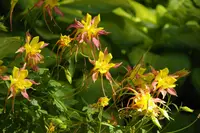
Sierra columbine (Aquilegia pubescens) is a perennial wildflower native to high-elevation regions of the Sierra Nevada in California. It typically grows in rocky slopes and alpine meadows. This plant forms clumps of divided, bluish-green leaves and sends up upright stems topped with large, pale yellow to white nodding flowers. The long nectar spurs attract hummingbirds and native pollinators. Sierra columbine prefers cool summers, bright light, and well-drained, slightly moist soil with good organic content. It can be somewhat challenging outside its native climate, so it suits gardeners willing to learn how to care for Sierra columbine.

Care Difficulty
Moderate Care

Light Preference
Full Sun

Water Requirements
Moderate Water

Temperature Preference
Cold Hardy

Hardiness Zone
4–8

Soil Texture
Sandy, Loamy, Rocky

Soil pH
Acidic (5.5–6.5), Slightly acidic (6.5–7.0)

Soil Drainage
Well-drained

Fertilization
Minimal (feed rarely)
Scan your plant to receive care tips personalized for your specific plant
Available on iOS and Android
Aquilegia pubescens grows best in bright, cool mountain light with some daily sun protection at lower elevations.
Aquilegia pubescens prefers evenly moist, cool, well-drained soil rather than constant saturation.
This alpine columbine is adapted to cool conditions and benefits from pronounced seasonal temperature changes.
This alpine species tolerates relatively dry air, so humidity is rarely a concern in typical outdoor conditions.
Aquilegia pubescens prefers cool, loose, well-drained mineral soils that never stay waterlogged.
This species can be grown in containers, but it performs best in deep, cool, well-drained pots that mimic alpine conditions.
High-elevation Aquilegia pubescens grows in lean soils and needs only light, targeted feeding in cultivation.
Pruning Aquilegia pubescens is simple and mainly supports tidy growth and sustained flowering.
This species dislikes disturbance, so transplant Aquilegia pubescens only when clearly necessary.
Aquilegia pubescens is most often propagated from seed, with division used sparingly due to its taproot.
This high-mountain perennial is very cold hardy and usually needs little winter care in typical temperate climates.

Plant Health Check
Not sure what's wrong with your plant? Check your plant's health inside the app.
This species is native to the high Sierra Nevada of California and typically occurs above treeline on windswept ridges and rocky alpine slopes, often growing in thin, nutrient-poor soils where few other flowering plants can persist.
Its pale, strongly fragrant, night-scented flowers are adapted primarily to hawkmoth pollinators, with long nectar spurs that match the moths’ proboscis length and guide them to the nectar at dusk and during the night.
The plant survives long, snowy winters and short growing seasons by forming a hardy perennial root system and completing flowering and seed production quickly during the brief alpine summer.

The pale, moth-pollinated flowers of this species helped researchers study how shifts in flower color, scent, and nectar spur length can drive speciation within the columbine genus, making it a model example for understanding rapid floral evolution in mountain environments.
Poor flowering often comes from too much heat or low light, depleted soil, or crowded roots. Ensure cool conditions, adequate light, and nutrient-rich soil. Deadhead spent blooms to redirect energy into new buds and stronger flowering next season.
Keep your plants happy and healthy with plant identification, disease detection, and easy care guidance.