Blue Arabis Care (Arabis caerulea)

Blue Arabis

About Blue Arabis

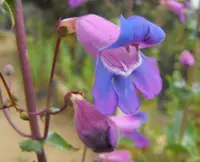
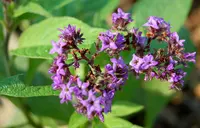
Blue Arabis (Arabis caerulea) is a small, clump-forming alpine perennial grown mainly for its delicate blue to violet flowers. It typically forms low mats of narrow, grey-green leaves, with short flower stems rising above the foliage in spring.

This species is native to rocky slopes and high mountain areas of Europe, where it thrives in cool conditions and sharp drainage. It suits rock gardens, troughs, and crevices, but can be short-lived or fussy in hot, humid climates.

It generally prefers full sun in cooler regions, slightly cooler exposure in hotter areas, and well-drained, gritty soil. Understanding its alpine origins helps gardeners know how to care for Blue Arabis successfully.

Main Plant Requirements

Care Difficulty

Moderate Care

Light Preference

Full Sun

Water Requirements

Low Water

Temperature Preference

Cold Hardy

Hardiness Zone

4–7

Soil Texture

Sandy, Loamy, Rocky

Soil pH

Slightly acidic (6.5–7.0), Neutral (7.0)

Soil Drainage

Well-drained

Fertilization

Minimal (feed rarely)

Get Personalized Care Plan

Scan your plant to receive care tips personalized for your specific plant

Available on iOS and Android

How to Care for the Blue Arabis

This alpine perennial prefers bright, cool conditions with several hours of direct sun daily.

  • Provide 4–6 hours of direct sun, ideally morning to early afternoon, with light shade during the hottest mid-afternoon in summer.
  • Blue Arabis tolerates partial shade, but flowering declines if it receives less than about 3–4 hours of direct light.
  • In hotter climates, use east-facing exposure or very light filtered light to reduce leaf scorch, especially during late spring and summer.

This rock garden species prefers slightly dry, fast-draining conditions rather than constant moisture.

  • Allow the top 3–5 cm of soil to dry before watering, then water thoroughly so it drains quickly from the root zone.
  • Use gritty, sharply drained soil on a slope or raised bed to prevent standing water, which can cause root rot in Arabis caerulea.
  • In cool seasons and rainy periods, reduce or skip watering; in hot, dry spells, increase checks for wilted foliage or very light soil.

This alpine plant is cold hardy and prefers cool to mild temperatures for best growth.

  • Optimal growth occurs around 50–70°F (10–21°C), with strongest flowering in cool spring conditions.
  • Mature plants tolerate winter lows down to about 0°F (−18°C) with good drainage, though young plants benefit from light mulch protection.
  • Heat above 80–85°F (27–29°C) can stress plants; provide afternoon shade and avoid heat-reflecting sites near walls or paving during summer.

This alpine species tolerates typical indoor humidity and does not need special adjustments.

This plant prefers lean, sharply drained soil that mimics rocky alpine slopes.

  • Use a gritty mix such as 50–60% coarse sand or small grit with 40–50% loam-based compost to keep roots firm but aerated.
  • Ensure very fast drainage; raised beds or rock garden pockets help prevent water from lingering around the crown.
  • Aim for slightly alkaline to neutral pH around 7.0–7.5; avoid strongly acidic mixes or heavy peat-based substrates.
  • Do not use compacted or clay-rich soil, which increases waterlogging risk and root rot in Arabis caerulea.

This species can be grown in containers, especially shallow, wide pots that simulate a rocky crevice environment.

  • Choose a sturdy, frost-resistant pot so the shallow root system is not disturbed by winter freeze–thaw movement.
  • Fill the pot with a predominantly mineral, very fast-draining mix so water runs through in seconds rather than minutes.
  • Elevate the container slightly on pot feet or bricks to improve drainage flow and keep the drainage holes from clogging.

Arabis caerulea benefits from light feeding but grows best in lean, well-drained soils.

  • Use a low-strength balanced NPK fertilizer (such as 10-10-10) at 1/2–1/4 label rate for container plants in spring.
  • Apply once every 4–6 weeks during active growth, avoiding heavy feeding that encourages weak, lush foliage.
  • In garden beds, a thin layer of compost in early spring usually provides enough nutrients for Blue Arabis.
  • Stop feeding in late summer and avoid fertilizing during winter dormancy to prevent soft, frost-sensitive growth.

Pruning Arabis caerulea focuses on keeping the mat compact and encouraging fresh flowering growth.

  • Shear or lightly trim spent flower stems in late spring to maintain a low, tidy cushion and stimulate reblooming.
  • Remove dead, damaged, or winter-burned shoots with clean, sharp scissors or pruners whenever noticed.
  • Thin out crowded, woody patches every 1–2 years to open the clump and improve airflow.
  • Avoid cutting back into very old, bare wood; always leave some leafy growth on each stem.

This species is most often grown in rock gardens, so transplanting is more common than true repotting.

  • Transplant in early spring or early fall when temperatures are mild and soil is workable.
  • Look for signs like poor vigor, congested clumps, or plants shading each other before lifting and dividing.
  • Replant divisions into sharply drained, gritty soil at the same depth, firm gently, and water to settle roots.
  • Shade lightly for a few days after transplanting and keep soil just moist to reduce root stress.

Arabis caerulea is commonly propagated by division, basal cuttings, or seed in suitable conditions.

  • Divide established clumps in early spring, replanting healthy, rooted sections into gritty, free-draining soil.
  • Take non-flowering basal cuttings in spring, insert into a sandy mix, and keep in bright, indirect light until rooted.
  • Sow fresh seed in late summer or autumn in trays outdoors; allow natural cold stratification over winter.
  • Keep germinating seeds just moist, then gradually increase light and ventilation as seedlings strengthen.

This alpine perennial is cold hardy but appreciates simple winter care in exposed or container situations.

  • In-ground plants in well-drained sites usually tolerate typical USDA zone 4–7 winters without extra measures.
  • Apply a light gravel or bark mulch around, not over, crowns to moderate soil temperature and prevent heaving.
  • Move containers to a sheltered, unheated area where they stay cold but avoid repeated freeze–thaw cycles.

Care Tips

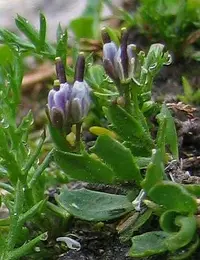
Rocky crevice planting

Plant in narrow rock crevices or between stones to keep crowns cool, improve drainage, and mimic its natural alpine habitat for longer-lived clumps.

Crown protection strategy

Mulch lightly with 0.5–1 in of fine grit or small gravel around, but not over, the crown to prevent rot while reducing soil splash and winter heave.

Alpine pot culture

Use a low, wide clay pot with extra drainage holes and a very gritty mix if local rainfall is high, which allows you to move plants under cover during prolonged wet periods.

Post-flowering renovation

After flowering, shear stems back by about one-third and lightly top-dress with grit to encourage tight new basal growth and keep the mat compact rather than woody.

Winter wet management

In regions with mild, wet winters, place containers under an overhang or use a simple cold frame to reduce waterlogging, which is often more damaging than low temperatures when growing Blue Arabis.

Common Pests and Diseases

Downy mildew

This disease causes yellowing or pale patches on the upper leaf surface with a grayish, downy growth beneath, especially in cool, moist weather. Symptoms include stunted growth and a general decline of the mat-forming foliage.

Solution

Remove and discard affected leaves to reduce spore spread, then thin or divide clumps to improve airflow and keep foliage dry. Avoid overhead watering, water early in the day at soil level, and if outbreaks are recurrent, use a copper-based fungicide labeled for ornamental brassicas according to instructions.

Clubroot

This disease leads to swollen, distorted roots and results in wilting, yellowing, and poor growth, especially in warm, wet soils. Symptoms include plants that fail to establish or collapse during dry spells despite adequate watering.

Solution

Remove and dispose of infected plants with as much soil as possible and avoid planting Arabis or other brassicas in the same spot for several years. Improve drainage, raise beds if needed, and lime acidic soils toward neutral (around pH 7) to reduce pathogen activity before planting again.

Flea beetles

These insects create numerous small round holes in leaves, giving a shot-hole or lace-like appearance, and may stunt young plants. This pest is most damaging in spring when new growth is tender.

Solution

Use floating row covers over new plantings until foliage is established and keep the area free of crucifer weeds that host the beetles. For heavier infestations, apply a horticultural insecticidal soap or a spinosad-based product in the evening, targeting leaf surfaces where the beetles feed.

Cabbage aphids

These insects form dense grayish-green colonies on stems and undersides of leaves, often covered in a waxy coating. This pest causes curling, distortion, and sticky honeydew that can attract sooty mold.

Solution

Spray colonies off with a firm stream of water, then treat remaining clusters with insecticidal soap or a neem-based product, ensuring thorough coverage of undersides of leaves. Remove heavily infested shoots and avoid over-fertilizing with nitrogen, which encourages soft, attractive growth.

Powdery mildew

This disease produces white, powdery patches on leaves and stems, often starting on older foliage in late summer. Symptoms include reduced vigor and premature leaf drop, especially when air circulation is poor.

Solution

Remove and discard affected leaves promptly and thin surrounding vegetation to increase light and airflow around the plants, supporting practical Arabis caerulea care. Water at soil level, avoid wetting foliage, and if needed, apply a sulfur or potassium bicarbonate fungicide labeled for ornamental use, following label directions.

Interesting Facts

High alpine specialist

This species is native to high-elevation rocky slopes in parts of the European Alps, where it grows in crevices and shallow, well-drained soils exposed to intense light and large temperature swings.

Unusual blue coloration

Unlike most Arabis species, which are typically white or pink flowered, this plant produces pale to mid-blue blossoms, making it distinctive within its genus and sought after by alpine plant collectors.

Compact cushion growth

It forms tight, low cushions or mats of small leaves that help reduce moisture loss and protect growing points from wind and frost in its harsh mountain habitat.

FAQs about Blue Arabis

Poor flowering usually comes from insufficient light, overly rich nitrogen fertilizer, or lack of post-bloom trimming. Deadhead spent flowers, avoid heavy feeding, and ensure it receives cool conditions and ample light during the growing season to encourage buds.

Grow Healthy Plants with Botan Care

Keep your plants happy and healthy with plant identification, disease detection, and easy care guidance.

Botan plant care app — identify plants on mobile

Explore More Plants