Rocky Mountain blue columbine Care (Aquilegia saximontana)

Rocky Mountain blue columbine

About Rocky Mountain blue columbine

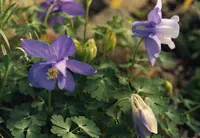
Rocky Mountain blue columbine (Aquilegia saximontana) is a compact, clump-forming perennial from high-elevation rocky slopes in the central Rocky Mountains. It stays low to the ground, with delicate divided foliage and short stems carrying nodding blue and white flowers.

The plant is adapted to cool summers, strong light, and gritty, well-drained soils. It can be somewhat short-lived but often self-seeds in suitable conditions.

Gardeners who want to care for Rocky Mountain blue columbine should provide sun, good drainage, and protection from excessive heat and humidity, which can stress this alpine species.

Main Plant Requirements

Care Difficulty

Moderate Care

Light Preference

Partial Sun

Water Requirements

Moderate Water

Temperature Preference

Cold Hardy

Hardiness Zone

3–8

Soil Texture

Loamy, Rocky, Sandy

Soil pH

Acidic (5.5–6.5), Slightly acidic (6.5–7.0)

Soil Drainage

Well-drained

Fertilization

Minimal (feed rarely)

Get Personalized Care Plan

Scan your plant to receive care tips personalized for your specific plant

Available on iOS and Android

How to Care for the Rocky Mountain blue columbine

This alpine columbine prefers cool, bright conditions with protection from harsh midday sun.

  • Provide 4–6 hours of direct morning sun with light or dappled shade in the afternoon, especially in warmer USDA zones 6–7.
  • In cooler mountain or northern climates, it tolerates nearly full sun if soil stays evenly moist and roots remain cool.
  • Excessive hot afternoon sun can scorch Rocky Mountain blue columbine leaves, while deep shade reduces flowering and produces weak, floppy growth.

This species prefers consistently moist but not saturated soil, especially during active spring growth and flowering.

  • Outdoors in well-drained soil, water when the top 3–5 cm feels dry, letting water soak to 15–20 cm depth, then drain fully.
  • Expect more frequent watering during warm, dry spells and much less in cool, rainy weather or once foliage starts to die back in late summer.
  • Watch for yellowing, limp leaves and blackened crown as signs of overwatering, and crisp, browning leaf edges and drooping stems as signs of underwatering in Aquilegia saximontana.

This high-elevation perennial is cold-hardy and prefers cool to mild temperatures during its main growth period.

  • Ideal growing temperatures range around 50–70°F (10–21°C), with best flowering in cool springs and mild early summers.
  • Plants tolerate winter cold down to about -20°F (-29°C) with good drainage and mulch, but crowns rot more easily in cold, waterlogged soil than in dry cold.
  • Heat above 80–85°F (27–29°C) can stress plants, so provide afternoon shade and mulch to keep roots cool, and expect summer dormancy in hot climates.

This alpine columbine handles typical indoor and outdoor humidity but benefits from slightly moist air in heated homes.

  • Aim for 30–50% humidity; caring for Rocky Mountain blue columbine rarely requires special humidification in most homes.
  • It tolerates short periods of dry air, but prolonged very dry conditions can cause leaf edges to brown and buds to abort.
  • If air is below 30%, group plants together or place the pot on a pebble tray with water that does not touch the pot.

Aquilegia saximontana prefers cool, loose, sharply drained soil that never stays waterlogged.

  • Use a gritty loam or sandy loam with plenty of mineral content to mimic its rocky mountain habitat.
  • Aim for slightly acidic to neutral pH around 6.0–7.0 to support balanced nutrient uptake and root activity.
  • Mix garden loam with 30–40% coarse sand or fine grit plus 10–20% compost to boost drainage and moderate fertility.
  • Avoid heavy clay, compacted beds, or sites where water pools after rain, which encourage root rot and crown decline.

This species can be grown in containers if provided with a cool, deep, and very free-draining root zone.

  • Choose a tall, narrow pot that allows a deeper root run, which helps the plant handle summer heat and brief dryness.
  • Use a mineral-heavy mix with extra grit so water drains within minutes, preventing crown rot around the plant base.
  • Select a clay or other porous pot material to slightly increase evaporation and keep the root zone cooler in full sun exposure.

This alpine perennial needs only light feeding, as Rocky Mountain blue columbine is adapted to low-nutrient mountain soils.

  • Apply a thin layer of compost or a low-dose, balanced NPK granular fertilizer (around 10-10-10) once in early spring.
  • Use slow-release fertilizer at half the label rate to avoid lush, weak growth and reduced flowering.
  • Do not feed in late fall or winter, when growth is dormant, to prevent soft, frost-susceptible tissue.
  • In containers, monitor vigor and, if growth weakens, feed lightly every 6–8 weeks during active growth.

Pruning Aquilegia saximontana is mainly about tidiness and maintaining steady flowering.

  • Deadhead spent flower stems in late spring to early summer to encourage a neater mound and potential rebloom.
  • Remove dead, damaged, or diseased foliage at the base using clean, sharp scissors or hand pruners.
  • Thin out crowded stems after flowering to improve air movement and reduce foliar disease risk.
  • Cut back most foliage in late fall once it yellows, leaving crowns at soil level to resprout in spring.

This species is usually grown in the ground, so focus on careful transplanting rather than frequent repotting.

  • Transplant in early spring or early fall when temperatures are mild and soil is moist but not waterlogged.
  • Look for signs such as slow growth, crowding, or roots circling a container drainage hole to justify moving the plant.
  • Lift plants with a wide soil ball, keeping roots as intact as possible to reduce stress, and replant at the same depth.
  • Water thoroughly after transplanting, then keep soil evenly moist and shaded for 7–10 days to support root re-establishment.

Propagation of this columbine is most reliable from seed, with some self-sowing in suitable garden conditions.

  • Sow fresh seeds in late summer to fall outdoors, allowing natural cold exposure that improves germination.
  • Alternatively, cold-stratify seeds in a refrigerator for 4–6 weeks, then sow on the surface of moist, gritty mix.
  • Provide cool temperatures, light exposure, and consistent moisture; seedlings usually emerge in spring.
  • Division is possible but risky; if attempted, divide small clumps in early spring and keep roots shaded and moist.

Aquilegia saximontana is cold hardy and usually needs minimal winter care in typical temperate climates.

  • In late fall, allow foliage to die back naturally, then trim to just above soil level once brown and dry.
  • Apply a light mulch layer (2–5 cm) of leaves or compost over the root zone in colder areas to moderate freeze–thaw cycles.
  • For container-grown plants in very cold regions, move pots to an unheated but sheltered area to prevent root freezing and cracking.

Care Tips

Rock mulch ring

Create a 5–10 cm wide ring of small rocks or gravel around the clump to mimic alpine scree, improving drainage at the crown and reducing soil splash that can spread fungal spores.

Self‑sowing management

Leave a few spent flower stems to set seed in late summer, then gently shake ripe seed heads over nearby gritty soil to encourage controlled self‑seeding without letting the plant spread randomly.

Hybridization control

If other columbine species grow nearby, remove neighboring flower stalks after bloom or grow them in a different bed to reduce unwanted cross‑pollination and maintain the compact true form of the plant.

Winter crown protection

In colder regions, wait until the ground has frozen, then apply a light, airy mulch of pine needles or shredded bark around but not on top of the crown to buffer freeze–thaw cycles and prevent heaving.

Targeted pest checks

Inspect leaf undersides and flower stems every 1–2 weeks in spring for aphids and leaf miners, and if found, remove affected leaves and use a strong water spray or insecticidal soap as the first control step when caring for Rocky Mountain blue columbine.

Common Pests and Diseases

Columbine leaf miner

This pest tunnels inside columbine leaves, creating pale, winding trails and causing patches of dead tissue. Symptoms include distorted foliage and cosmetic damage that can weaken small alpine plants over time.

Solution

Remove and discard heavily mined leaves as soon as trails appear to break the life cycle. In larger outbreaks, use a systemic insecticide labeled for leaf miners or apply spinosad to young foliage, and avoid overhead watering that keeps leaves wet and stressed.

Columbine sawfly

These insects skeletonize leaves from the edges inward, often leaving only midribs and giving plants a stripped appearance. Damage can be rapid in late spring, especially on compact rock-garden plants like Aquilegia saximontana.

Solution

Handpick larvae from leaves and stems and crush or drop them into soapy water at the first sign of feeding. For heavier infestations, use a contact insecticidal soap or pyrethrin product labeled for sawflies, and monitor weekly during peak spring growth.

Powdery mildew

This disease causes white, powdery patches on upper leaf surfaces, often followed by yellowing, distortion, and early leaf drop. Symptoms include a dull, grayish cast on foliage in humid yet not overly wet conditions.

Solution

Improve air circulation by spacing plants correctly and thinning crowded stems, and water at soil level to keep foliage dry. Remove and discard infected leaves, then apply a sulfur or potassium bicarbonate fungicide labeled for powdery mildew if conditions stay favorable for spread.

Columbine rust

This disease produces small orange to brown pustules on leaf undersides and yellow spots above, leading to premature leaf drop on stressed plants. Symptoms include patchy discoloration that often starts on older foliage at the base of the plant.

Solution

Promptly remove and discard affected leaves to reduce spore spread and avoid overhead irrigation that wets foliage for long periods. In recurrent cases, apply a rust-specific fungicide early in the season and rotate columbines with non-host plants to limit disease pressure.

Aphids

These insects cluster on tender stems and flower stalks, sucking sap and causing distorted growth, sticky honeydew, and sometimes sooty mold. This pest can also weaken flowering and attract ants in rock and alpine plantings.

Solution

Spray plants with a firm stream of water to dislodge colonies, repeating every few days as needed. For persistent populations, use insecticidal soap or neem oil on all plant surfaces, focusing on shoot tips and undersides of leaves, and encourage natural predators such as lady beetles where possible.

Interesting Facts

High alpine specialist

This species is native to the central Rocky Mountains, where it grows on exposed alpine ridges and rocky slopes, often above treeline in thin, fast-draining soils.

Distinctive spurless flowers

Unlike many columbines that have long nectar spurs, its blue-purple flowers are almost spurless and relatively short, an adaptation linked to pollination by short-tongued insects in harsh alpine habitats.

Compact dwarf growth

This plant forms very low, cushion-like clumps only a few cm tall in the wild, a growth habit that helps reduce wind damage and moisture loss in its extreme mountain environment.

FAQs about Rocky Mountain blue columbine

This alpine species performs best outdoors in cool, well-drained, rocky or scree-style beds. Indoors, light, airflow, and temperature are difficult to match, so long-term Rocky Mountain blue columbine indoor care is usually unreliable and short-lived.

Grow Healthy Plants with Botan Care

Keep your plants happy and healthy with plant identification, disease detection, and easy care guidance.

Botan plant care app — identify plants on mobile

Explore More Plants