Shear After Bloom
Use clean shears to cut plants back by about one-third right after the main flush of flowers to encourage a denser mound and a second, lighter bloom later in the season.

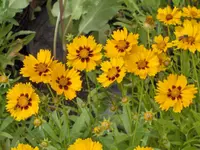
Sand coreopsis (Coreopsis lanceolata) is a perennial wildflower in the aster family, valued for its bright yellow, daisy-like blooms. It forms loose clumps of narrow, lance-shaped leaves and sends up flowering stems that create a soft, airy display.
This species is native to sandy prairies, open woodlands, and roadsides in parts of North America. It adapts well to poor, sandy soils and is often used in native plant gardens and pollinator plantings.
Sand coreopsis is generally easy to grow when given full sun and well-drained soil. Its drought tolerance and low fertility needs make it suitable for beginners who want to learn how to care for Sand coreopsis without complex maintenance demands.

Care Difficulty
Easy Care

Light Preference
Full Sun

Water Requirements
Low Water

Temperature Preference
Cold Hardy

Hardiness Zone
4–9

Soil Texture
Sandy, Loamy, Rocky

Soil pH
Acidic (5.5–6.5), Slightly acidic (6.5–7.0)

Soil Drainage
Well-drained

Fertilization
Minimal (feed rarely)
Scan your plant to receive care tips personalized for your specific plant
Available on iOS and Android
Coreopsis lanceolata thrives in open, sunny sites to support compact growth and abundant flowering.
This species prefers dry to moderately moist soil and tolerates short droughts once established.
This hardy perennial tolerates a wide temperature range but performs best in moderate warmth.
This species is highly tolerant of low humidity and typically needs no special humidity management outdoors.
This species prefers lean, well-drained, often sandy soil and resents consistently wet conditions.
This species is suitable for container growing if the potting setup prevents waterlogging and root overheating.
Coreopsis lanceolata grows well in lean soil but benefits from light feeding in garden beds and containers.
Pruning supports longer blooming and a tidy shape in Coreopsis lanceolata.
This species is usually grown in the ground, so focus on dividing and transplanting mature clumps rather than frequent repotting.
Coreopsis lanceolata is commonly propagated by seed and by division of mature clumps.
This hardy perennial generally survives typical winters in much of the US with minimal intervention.

Plant Health Check
Not sure what's wrong with your plant? Check your plant's health inside the app.
Coreopsis lanceolata is often one of the first perennials to establish on disturbed, sandy, or road-edge soils, helping stabilize loose substrates and pave the way for later plant communities.
Its long flowering period and open, nectar-rich flower heads support a wide range of native bees, hoverflies, and butterflies, making it a documented resource plant in pollinator conservation plantings in North America.
This species spreads both by seed and short rhizomes (underground stems), which allows a single planting to gradually form dense patches under suitable conditions.

Coreopsis lanceolata has been widely introduced outside its native North American range, and in parts of East Asia and Europe it is monitored or listed as a potentially invasive species because it can outcompete some local flora in open, sandy habitats.
Poor flowering usually comes from too much shade, overly rich or high-nitrogen fertilizer, or old, congested clumps. Ensure full sun, avoid heavy feeding, and deadhead spent blooms. Divide crowded plants every few years to restore flowering.
Keep your plants happy and healthy with plant identification, disease detection, and easy care guidance.