Lyreleaf Rockcress Care (Arabidopsis lyrata)

Also known as: Lyre-leaved Rockcress, Lyrate Rockcress
Lyreleaf Rockcress

About Lyreleaf Rockcress

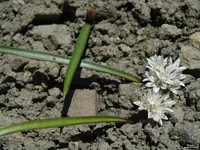
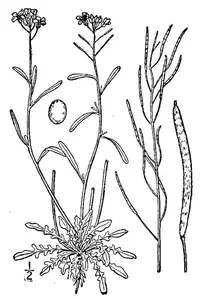
Lyreleaf rockcress (Arabidopsis lyrata) is a small, cold-hardy perennial in the mustard family, often found in rocky or sandy habitats. It forms low rosettes of lyre-shaped leaves with slender stems carrying small white flowers in spring.

This species is native to North America and parts of northern Europe, where it naturally colonizes open, well-drained sites with relatively poor soil. It tends to stay compact, which makes it suitable for rock gardens and naturalistic plantings.

Arabidopsis lyrata is generally easy to grow if given good drainage, cool to moderate temperatures, and not too much competition from larger plants. Gardeners who want to learn how to care for Lyreleaf Rockcress should focus on recreating its lean, well-drained, and lightly moist native conditions.

Main Plant Requirements

Care Difficulty

Moderate Care

Light Preference

Partial Shade

Water Requirements

Moderate Water

Temperature Preference

Cold Hardy

Hardiness Zone

3–7

Soil Texture

Sandy, Loamy, Rocky

Soil pH

Acidic (5.5–6.5), Slightly acidic (6.5–7.0)

Soil Drainage

Well-drained

Fertilization

Minimal (feed rarely)

Get Personalized Care Plan

Scan your plant to receive care tips personalized for your specific plant

Available on iOS and Android

How to Care for the Lyreleaf Rockcress

This species prefers bright, open conditions but not scorching, all-day sun.

  • Provide 4–6 hours of direct morning sun with light or dappled shade in the afternoon, especially in warmer regions.
  • Tolerates partial shade, but stems may elongate and flowering of Lyreleaf Rockcress can decrease if it receives less than 3–4 hours of direct or strong filtered light.
  • In hot summers, protect from intense midday sun to prevent leaf scorch; in cooler seasons, ensure an open site so low-angle sun still reaches the foliage.

Arabidopsis lyrata prefers slightly dry, free-draining conditions rather than constantly moist soil.

  • Water only when the top 2–4 cm of soil feels dry, using a thorough soak that drains away rather than frequent light splashes.
  • Choose gritty, well-drained soil on a slope or raised area so excess water runs off and roots do not sit in puddles, which encourages rot.
  • Reduce watering during cool seasons or dormancy; leaves that yellow and soften often indicate overwatering, while limp, dull foliage and very dry soil suggest underwatering.

This plant is naturally cold-hardy but grows best within moderate temperature ranges.

  • Optimal active growth occurs around 55–70°F (13–21°C), with good root and leaf development in cool spring and fall conditions.
  • Mature plants usually tolerate lows down to about 5–10°F (-15 to -12°C) under snow or mulch, but repeated freeze–thaw without insulation can damage crowns.
  • Heat above 85°F (29°C), especially with drought, can stress plants; provide some shade and consistent but not excessive moisture during hot spells to maintain vigor.

This species tolerates typical indoor humidity but benefits from slightly moist air in heated homes.

  • Aim for 40–60% humidity, which suits Lyreleaf Rockcress without encouraging fungal problems.
  • Dry air may cause marginal leaf browning and slower growth, especially near heaters or vents.
  • Increase humidity with a nearby pebble tray or grouping plants, rather than misting leaves directly.

Arabidopsis lyrata prefers lean, fast-draining, slightly acidic to neutral soil.

  • Use a sandy or gritty loam with 20–40% mineral grit such as coarse sand or fine gravel to mimic rocky habitats.
  • Aim for pH 6.0–7.0 and avoid high-lime mixes unless local water is very soft.
  • Blend 60–70% all-purpose potting mix with 30–40% perlite or pumice to improve drainage and aeration.
  • Avoid heavy clay, peat-only, or water-retentive mixes that stay wet for more than 2–3 days.

This species can grow in containers if provided with sharp drainage and a shallow, wide root zone.

  • Choose a broad, shallow pot that allows roots to spread horizontally rather than deeply.
  • Use a mineral-rich, gritty mix and keep the drainage holes completely unobstructed for rapid outflow of water.
  • Place the container in a slightly raised position so runoff cannot pool under the base and re-enter the mix.

Arabidopsis lyrata is adapted to low-nutrient soils and usually needs little or no fertilizer in gardens or naturalistic plantings.

Pruning needs for Arabidopsis lyrata are minimal and focus on cleanliness rather than shaping.

  • Cut back spent flowering stems at ground level after seed set to keep rosettes tidy.
  • Remove yellow, dead, or diseased leaves with clean scissors to limit fungal problems.
  • Thin out congested rosettes only if they shade each other excessively, preserving the natural mound.
  • Disinfect tools before and after use to reduce transmission of pathogens between plants.

Lyreleaf Rockcress is usually grown in the ground; transplanting is light-touch and infrequent.

  • Transplant in early spring or early fall so roots establish in cool, moist conditions.
  • Move plants only when clumps outgrow their space or soil drainage declines.
  • Lift with a trowel, keeping a generous soil ball intact around the root system.
  • Replant at the same depth, water thoroughly, and shade lightly for a few days to reduce stress.

Propagation of Arabidopsis lyrata is most often carried out from seed.

  • Sow fresh seed in late summer or fall outdoors; natural winter chilling improves germination.
  • For controlled sowing, cold-stratify seed at 35–40°F for 4–6 weeks in moist medium.
  • Use a well-drained, gritty mix, press seed onto the surface, and keep evenly moist, not waterlogged.
  • Provide bright light and cool conditions; thin crowded seedlings to prevent damping-off disease.

This species is generally cold hardy in temperate climates and usually needs little specific winter care.

  • Tolerates typical frost and snow in USDA zones where it is native, remaining as evergreen or semi-evergreen rosettes.
  • In exposed sites, apply a light 2–3 cm mulch of leaf litter or fine bark around, not over, the crowns.
  • For container plants in colder zones, move pots to a sheltered, unheated area to avoid root freeze–thaw cycles.

Care Tips

Rocky substrate edge

When planting in beds or troughs, tuck the root zone against small rocks or gravel pockets to mimic its natural rocky habitats and improve drainage, which helps stabilize plants and reduces frost heaving in winter.

Self‑seeding management

Leave some spent flower stalks in place until seed pods turn brown and dry, then gently shake them over cracks in paving stones or gravel joints to direct self‑seeding where new rosettes are wanted and avoid uncontrolled spread.

Winter crown protection

In colder regions, apply a very thin, gritty mulch (such as 0.5–1 cm of sharp sand or fine gravel) around but not over the rosettes to protect crowns from alternating freeze–thaw cycles without keeping them wet.

Targeted pest checks

Inspect the undersides of leaves and the tight centers of rosettes every 1–2 weeks in spring, using a hand lens if possible, so that aphids or flea beetle damage can be caught early and managed with a directed insecticidal soap spray only where needed.

Companion planting use

Combine plants with shallow, non‑aggressive roots such as low sedums or thyme around it, which helps suppress weeds, keep the soil surface open and well drained, and creates a more stable microclimate for growing Lyreleaf Rockcress.

Common Pests and Diseases

Downy mildew

This disease causes pale or yellow angular leaf spots on the upper surface and gray-white downy growth on the underside in cool, humid conditions.

Solution

Remove and discard infected leaves, avoid overhead watering, and water early in the day so foliage dries quickly; increase spacing and airflow around plants and, if pressure is high, use a copper-based or phosphonate fungicide labeled for edible brassicas, applied according to label directions.

White rust

This disease produces white blister-like pustules on leaf undersides and can cause yellowing and distortion of leaf tissue.

Solution

Promptly remove and dispose of affected leaves, keep foliage as dry as possible by watering at soil level, and rotate planting sites so the same area is not used repeatedly; in severe or recurring cases, use a labeled protectant fungicide before wet, cool periods to prevent new infections.

Flea beetles

These insects chew many small round holes in leaves, often giving foliage a shot-hole appearance, and are especially damaging to young rosettes.

Solution

Use floating row covers to physically exclude beetles, keep surrounding areas free of brassica weeds that host the pest, and apply insecticidal soap or a spinosad-based product to foliage in the early morning when beetles are less active, following label instructions.

Cabbage aphids

This pest forms dense gray-green colonies on young leaves and stems, causing curling, yellowing, and sticky honeydew deposits that can encourage sooty mold.

Solution

Spray colonies off with a strong stream of water, remove heavily infested shoots, and apply insecticidal soap or neem oil thoroughly to the undersides of leaves; encourage natural enemies such as lady beetles by avoiding broad-spectrum insecticides.

Interesting Facts

Rocky outcrop specialist

This species naturally grows on exposed rocky slopes, cliffs, and gravelly soils in northern temperate regions, showing strong adaptation to cold, nutrient-poor, and drought-prone habitats.

Model for speciation studies

It is closely related to the laboratory model Arabidopsis thaliana but remains outcrossing (self-incompatible), so it is widely used to study the genetics of mating systems and the early stages of plant speciation.

Genome and local adaptation

Populations across its wide range show clear genomic signatures of local adaptation to climate and soil conditions, making it a key species for research on how plants evolve in response to environmental gradients.

Botan icon

Did you know?

Arabidopsis lyrata survived the last glaciation in multiple ice-free refugia, and genetic patterns across its current range still reflect these ancient population splits, providing a living record of post-glacial plant migration in northern Europe and North America.

FAQs about Lyreleaf Rockcress

The small white spring flowers provide nectar and pollen, so this plant often attracts solitary bees, small native bees, and some early butterflies. Planting several together creates a better visual target and a more useful nectar patch.

Grow Healthy Plants with Botan Care

Keep your plants happy and healthy with plant identification, disease detection, and easy care guidance.

Botan plant care app — identify plants on mobile

Explore More Plants