Aralia bipinnata Care

Aralia bipinnata

About Aralia bipinnata

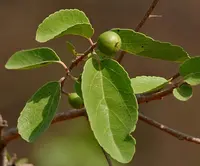
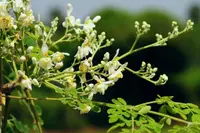
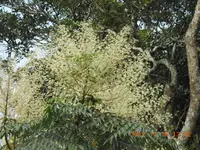
Aralia bipinnata is a woody shrub or small tree from the ginseng family, known for its finely divided, fern-like leaves and upright, branching habit. In favorable conditions it forms a light, airy canopy rather than dense foliage.

This species is native to parts of Asia, where it grows in forest edges and mountain slopes, often in partially shaded locations. Its appearance can be quite architectural, with slender stems and delicate leaf segments.

Gardeners usually find it moderately demanding, as it prefers stable moisture, protection from harsh exposure, and reasonably fertile, well-drained soil. Understanding how to care for Aralia bipinnata starts with providing a sheltered site and avoiding extreme dryness or waterlogging.

Main Plant Requirements

Care Difficulty

Moderate Care

Light Preference

Partial Shade

Water Requirements

Moderate Water

Temperature Preference

Warm Climate

Hardiness Zone

9–11

Soil Texture

Loamy, Sandy, Organic-rich

Soil pH

Acidic (5.5–6.5), Slightly acidic (6.5–7.0)

Soil Drainage

Moist but well-drained

Fertilization

Minimal (feed rarely)

Get Personalized Care Plan

Scan your plant to receive care tips personalized for your specific plant

Available on iOS and Android

How to Care for the Aralia bipinnata

This shrub prefers bright, filtered light that mimics light woodland conditions.

  • Provide 3–5 hours of gentle morning sun with bright dappled or filtered shade for the rest of the day, avoiding harsh midday and late-afternoon sun.
  • Plant Aralia bipinnata in a spot with high, shifting shade under taller trees or a shade cloth giving about 30–50% light reduction.
  • Watch foliage: pale, scorched, crispy leaf edges indicate too much sun, while long, weak shoots and sparse leaves suggest insufficient light.

This species performs best in evenly moist, well-drained soil that never stays saturated.

  • Before watering, let the top 3–5 cm of soil dry; then water deeply so moisture reaches the root zone, allowing excess to drain away.
  • In spring and summer, drying of the top layer will occur faster; in cooler months, expect slower drying and extend the interval between waterings.
  • Yellowing, soft leaves and a sour soil smell suggest overwatering, while drooping, dry, browning leaf edges indicate the plant, including Aralia bipinnata, is too dry.

This plant grows best in mild, frost-free climates with moderate seasonal variation.

  • Aim for 65–80°F (18–27°C) for active growth, providing shelter from hot, drying winds and heat radiating from hard surfaces.
  • Protect the plant when temperatures drop near 40°F (4°C), as leaves and young shoots are damaged by frost and prolonged cold.
  • Short spikes up to 90°F (32°C) are tolerated if soil moisture is stable and roots are mulched, but extended heat or cold stress slows growth and increases leaf drop.

This species prefers moderately humid air and reacts if conditions become too dry.

  • Aim for 50–60% humidity, as very dry indoor air leads to leaf-edge crisping.
  • Tolerates short periods at 35–40%, but prolonged dryness causes curling and slow new growth.
  • Increase humidity with a nearby humidifier or grouped plants rather than misting, which adds only brief surface moisture.

Provide loose, well-draining, organic-rich soil to support steady growth and prevent root problems.

  • Use a loamy mix of roughly 2 parts peat or coco coir, 1 part compost, and 1 part perlite or pumice for structure and drainage.
  • Target a slightly acidic to neutral pH around 6.0–7.0, which supports nutrient uptake and balanced growth.
  • Ensure the mix drains freely yet retains some moisture; water should clear the drainage holes within seconds, not pool on the surface.
  • Avoid heavy clay, unamended garden soil, or compacted mixes that stay wet and reduce oxygen around the roots.

This species adapts well to container growing when the pot is chosen for both drainage and stability.

  • Select a pot with a wide base to reduce tipping as the plant becomes taller and more top-heavy.
  • Choose a slightly deeper container so the developing root system can anchor the upright stems securely.
  • Use heavier materials like ceramic or stone when placing the pot outdoors, as added weight improves stability in wind.

This plant benefits from light, balanced feeding but often copes in average garden soil once established.

  • Apply a balanced, slow-release fertilizer (around 10-10-10) in early spring at 1/2 label rate for Aralia bipinnata.
  • Top-dress in-ground plants with a thin layer of compost once per year to support soil structure and biology.
  • During the main growing season, use a diluted balanced liquid feed monthly for container plants, at 1/4–1/2 strength.
  • Stop feeding in late summer to early fall so growth hardens before winter and to avoid weak, frost-prone shoots.

Thoughtful pruning helps maintain structure, safety, and foliage density without stressing the plant.

  • Carry out main pruning in late winter or very early spring, before vigorous new growth starts on Aralia bipinnata.
  • Remove dead, diseased, or storm-damaged branches first, cutting back to healthy wood with clean, sharp bypass pruners or a saw.
  • Thin congested interior shoots to improve light and airflow, which supports healthier foliage and reduces fungal issues.
  • Shorten or remove awkward or crossing branches to guide overall form, keeping cuts small and avoiding heavy one-time canopy removal.

This species is usually grown in the ground, so focus on careful transplanting rather than frequent container repotting.

  • Transplant in early spring or early fall, when temperatures are mild and soil moisture is stable, to reduce stress on Aralia bipinnata.
  • Look for signs such as poor vigor, restricted root spread, or roots circling a container as cues that a plant needs more space.
  • Prepare a wide planting hole, loosen circling roots gently, and set the root flare at soil level to support stable establishment.
  • Water deeply after planting, then maintain even soil moisture and use mulch to limit temperature swings while roots recover.

Propagation is possible but tends to be a slower, longer-term project than with many houseplants or small shrubs.

  • Use semi-ripe stem cuttings in late spring to summer, placed in a moist, well-drained medium under high humidity and bright, indirect light.
  • Apply a rooting hormone to the cut base, remove lower leaves, and keep the medium just damp, not saturated.
  • Seed propagation is an option, using fresh seed sown in a loose mix; provide 65–75°F, consistent moisture, and patience for variable germination.
  • For garden specimens, young self-sown seedlings can sometimes be lifted and moved while small, during cool, moist weather.

Mature plants are reasonably cold tolerant in suitable climates but young or marginal plantings benefit from basic winter preparation.

  • In regions with hard frost, add a 5–8 cm mulch layer around the root zone of Aralia bipinnata, keeping it off the trunk.
  • Avoid heavy pruning or high-nitrogen feeding late in the season so new growth hardens before freezing conditions.
  • For container plants, move pots into a sheltered, frost-free or minimally heated area and keep soil just slightly moist.

Care Tips

Structured stem training

Select 3–5 strong basal shoots as a framework and gently stake them upright with soft ties, periodically removing weak, crossing, or inward-facing stems to maintain an open, stable structure that resists wind and reduces fungal issues.

Progressive root pruning

In containers, root prune every 2–3 years by lifting the plant, trimming 10–20% of the outer root mass, and replanting in fresh mix to control size and encourage finer feeder roots rather than letting it become pot bound and stressed.

Wind acclimation outdoors

If moving a plant from indoors to a patio or garden bed, gradually expose it to wind over 7–10 days by starting in a sheltered corner and slowly shifting it outward, which thickens stems and prevents breakage.

Targeted pest scouting

Inspect the undersides of leaflets and young shoots weekly during warm months with a hand lens, focusing on new growth flushes where spider mites, aphids, and scale first appear so that infestations can be treated at a very early stage when caring for Aralia bipinnata.

Seasonal thinning cuts

In late winter or early spring, remove up to one-third of the oldest, woodiest stems at the base with clean, angled cuts to stimulate vigorous new canes and maintain a balanced canopy rather than just shortening stems at random.

Common Pests and Diseases

Spider mites

This pest causes fine stippling on leaf surfaces, yellowing, and webbing between leaflets and stems, especially in warm, dry indoor air. Symptoms include slow decline and increased leaf drop if populations are not controlled.

Solution

Rinse foliage thoroughly with a strong but gentle stream of water, focusing on leaf undersides, then repeat every 3–5 days for 2–3 cycles. For persistent infestations, use insecticidal soap or a ready-to-use neem oil spray, and increase humidity while avoiding heat stress to reduce reinfestation risk as part of Aralia bipinnata care instructions.

Scale insects

These insects appear as small, dome-shaped or oval bumps along stems and leaf midribs and excrete sticky honeydew that can lead to sooty mold. Symptoms include weakened growth, sparse foliage, and sometimes leaf yellowing around feeding sites.

Solution

Wipe stems and affected leaves with a cotton pad lightly moistened with isopropyl alcohol to remove adult scale, and prune heavily infested twigs. Follow up with 2–3 applications of horticultural oil at label rates, ensuring good coverage of stems and leaf undersides, and improve light and airflow to support recovery.

Mealybugs

This pest shows as white, cottony clusters in leaf axils, at node joints, and along roots in container media. Symptoms include sticky honeydew, distorted new growth, and gradual plant weakening.

Solution

Isolate the plant, then dab visible mealybugs with a cotton swab dipped in isopropyl alcohol and flush the foliage with lukewarm water. For larger populations, apply insecticidal soap or neem oil thoroughly every 7–10 days until no new insects appear, and inspect new plants before bringing them nearby.

Leaf spot

This disease causes irregular brown or black spots on the leaflets, often with yellow halos, starting on lower or denser parts of the canopy where moisture lingers. Symptoms include premature leaf drop and a generally thinned crown if infection spreads.

Solution

Remove and discard affected leaves and any fallen debris around the pot, then water at soil level to keep foliage dry. Improve spacing and airflow, avoid overhead misting onto leaves, and if spotting continues, use a copper-based or other labeled ornamental fungicide according to directions.

Powdery mildew

This disease produces white to gray powdery patches on leaf surfaces and sometimes on young stems, developing most often in plants kept in still, humid air with moderate light. Symptoms include dull, distorted foliage and reduced vigor over time.

Solution

Increase airflow around the plant, avoid crowded placements, and reduce excessive humidity directly around the foliage while maintaining stable soil moisture. Remove heavily infected leaves and apply a sulfur or other labeled powdery mildew fungicide for ornamentals, repeating as directed until new growth appears clean.

Interesting Facts

Compound leaf architecture

This species has finely divided, twice-pinnate leaves, meaning each main leaf is split into many small leaflets on secondary axes, which increases light capture while reducing wind resistance in its native forest habitats.

Preference for monsoon forests

Aralia bipinnata naturally occurs in warm, humid, monsoon-influenced forests of parts of East and Southeast Asia, where it is adapted to distinct wet and drier seasonal patterns rather than constant year-round moisture.

Small berries for wildlife

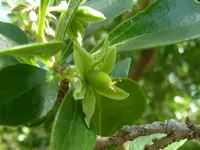
The plant produces small, dark, berry-like fruits that are consumed by birds and other wildlife, helping disperse its seeds away from the parent plant and supporting local forest food webs.

FAQs about Aralia bipinnata

This shrub or small tree has a moderate growth rate. In suitable outdoor conditions it typically adds 20–40 cm of height per year, with faster growth in warm, humid summers and slower growth in cooler or drier climates.

Grow Healthy Plants with Botan Care

Keep your plants happy and healthy with plant identification, disease detection, and easy care guidance.

Botan plant care app — identify plants on mobile

Explore More Plants