Structured crown training
In the first 3–4 years, select a single strong leader and 3–5 evenly spaced scaffold branches, removing competing shoots in late winter to build a balanced, storm-resistant crown that supports consistent nut production.

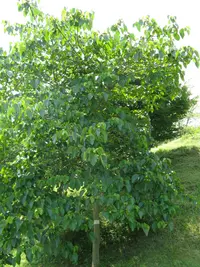
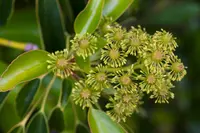
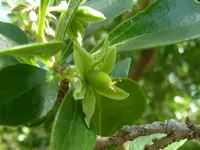
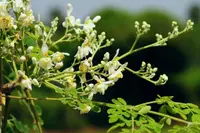
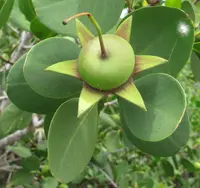
The tungoil tree, Vernicia fordii, is a small to medium deciduous tree grown mainly for its oil-rich seeds. It has broad, glossy green leaves and showy white spring flowers, giving it an ornamental look in suitable climates.
This species is native to China and other parts of East Asia, but is now cultivated in warm regions worldwide for tung oil production. It grows quickly but is sensitive to cold, wind, and poor drainage, so it suits mild climates and sheltered sites.
Tungoil trees prefer full sun, moderately fertile, well-drained soil, and consistent moisture without waterlogging. These needs, plus its eventual size, mean it is better for spacious outdoor sites than small gardens, and owners should learn how to care for tungoil tree before planting.

Care Difficulty
Moderate Care

Light Preference
Full Sun

Water Requirements
Moderate Water

Temperature Preference
Warm Climate

Hardiness Zone
8–10

Soil Texture
Sandy, Loamy, Organic-rich

Soil pH
Acidic (5.5–6.5), Slightly acidic (6.5–7.0)

Soil Drainage
Well-drained

Fertilization
Minimal (feed rarely)
Scan your plant to receive care tips personalized for your specific plant
Available on iOS and Android
Vernicia fordii grows best in bright, direct sun with some protection from intense afternoon heat.
This species prefers steadily moist, well-drained soil rather than cycles of drought and saturation.
This tree prefers warm, frost-free climates with mild winters and hot summers for reliable growth.
Humidity is a minor factor for Vernicia fordii and typical outdoor levels are usually sufficient.
Vernicia fordii prefers deep, well-structured, moisture-retentive but free-draining soil to support fast woody growth.
This species can be grown in large outdoor containers for a limited period, but long-term performance is better in the ground than in pots.
Vernicia fordii benefits from modest, balanced nutrition during its active growing season.
Pruning Vernicia fordii helps maintain structure, remove hazards, and support healthy flowering wood.
This species is usually grown in the ground, so focus on correct site selection and gentle transplanting for young Vernicia fordii trees.
Vernicia fordii is mainly propagated from seed, which requires warmth and even moisture for good germination.
This deciduous tree has moderate cold tolerance but benefits from basic winter preparation in cooler regions.

Plant Health Check
Not sure what's wrong with your plant? Check your plant's health inside the app.
The seeds of this species are the main source of tung oil, a drying oil historically used for waterproofing wood, boats, and paper and still used in high-quality wood finishes.
This tree flowers on bare or nearly bare branches in mid to late spring after most temperate trees have leafed out, making the white, often pink-tinged blossoms especially conspicuous.
The seeds and other parts of the plant are poisonous if ingested, and documented poisoning cases led to it being classified as a hazardous plant in several regions where it was introduced.

In the early to mid-20th century, large plantations of this species were established in the southeastern United States as a strategic crop for tung oil production, but most declined after severe freezes, hurricanes, and the development of synthetic alternatives.
Lack of flowers often comes from insufficient maturity, too much shade, or heavy nitrogen fertilization. This species usually needs full sun, several years of growth, and balanced nutrition before it reliably forms flower buds.
Keep your plants happy and healthy with plant identification, disease detection, and easy care guidance.