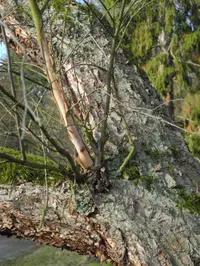
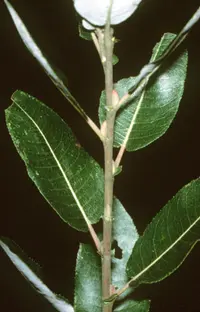
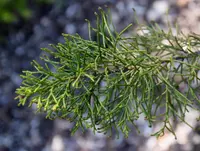
wheel tree Care (Trochodendron aralioides)

Also known as: Cartwheel Tree
wheel tree

About wheel tree

The wheel tree, Trochodendron aralioides, is an evergreen small tree or large shrub grown mainly for its architectural shape and glossy foliage. It usually forms a rounded crown with whorled leaves that sit in circles around the stems, giving the plant its common name.

This species is native to forested mountain areas of Japan, Korea, and Taiwan, where it grows in cool, moist conditions. It is slow-growing but long-lived, and once established it is quite resilient, which helps simplify how to care for wheel tree.

It prefers partial shade, consistent moisture, and well-drained, humus-rich soil, traits that make it better suited to mild, not extreme, climates.

Main Plant Requirements

Care Difficulty

Moderate Care

Light Preference

Partial Shade

Water Requirements

Moderate Water

Temperature Preference

Cool Climate

Hardiness Zone

6–8

Soil Texture

Loamy, Silty, Organic-rich

Soil pH

Acidic (5.5–6.5), Slightly acidic (6.5–7.0)

Soil Drainage

Moist but well-drained

Fertilization

Minimal (feed rarely)

Get Personalized Care Plan

Scan your plant to receive care tips personalized for your specific plant

Available on iOS and Android

How to Care for the wheel tree

This evergreen prefers bright, gentle light conditions similar to a high, open woodland edge.

  • Provide 3–5 hours of morning sun with light shade or dappled light in the afternoon; east or northeast exposure suits wheel tree well.
  • Tolerates partial shade, but in dense shade growth becomes sparse and leaves darken; in hot climates protect from strong sun between 11 a.m. and 3 p.m.
  • In cooler seasons allow a bit more direct sun to support growth, but watch for leaf scorch or pale, crispy edges that indicate excessive summer sun.

This species prefers consistently moist but not saturated soil, especially during the main growing season.

  • Before watering, let the top 3–5 cm of soil feel slightly dry, then soak the root zone deeply so moisture reaches 20–30 cm, encouraging a broad root system.
  • In spring and summer check soil every few days during dry spells; in fall and winter extend intervals, watering mainly when natural rainfall is low.
  • Yellowing, soft leaves and a sour soil smell suggest overwatering or poor drainage, while drooping, curling leaves and very dry soil indicate underwatering; use both soil feel and foliage to guide watering.]},

This plant grows best in mild, temperate conditions without extreme heat or severe frost.

  • Aim for 55–75°F (13–24°C) for active growth; cool nights within this range are acceptable and help maintain compact growth.
  • Mature plants tolerate brief drops to about 10–15°F (-12 to -9°C) once established, but young plants are more vulnerable and benefit from protection below 25°F (-4°C).
  • During hot spells above 85°F (29°C), provide afternoon shade and mulching to keep roots cool; avoid planting in frost pockets or highly exposed, drying wind sites.

This species prefers moderate, slightly moist air but usually tolerates typical home humidity.

  • Aim for 40–60% humidity to reduce leaf edge browning and keep growth steady.
  • It tolerates short dry spells in heated rooms, but prolonged air below 30% may cause crisping tips and slow growth.
  • Increase humidity with a nearby open tray of water and stones or by grouping plants, rather than misting the foliage.

Trochodendron aralioides prefers cool, evenly moist, well-aerated soil with consistent drainage.

  • Use a deep, loamy mix rich in organic matter, such as garden loam blended with compost and fine bark.
  • Ensure free drainage; avoid waterlogged or compacted sites that promote root rot and poor oxygen availability.
  • Aim for slightly acidic to neutral pH (5.5–7.0), avoiding highly alkaline soils that can limit nutrient uptake.
  • Improve aeration and structure by incorporating pine bark fines and a small amount of coarse sand rather than heavy clay.

This species can be grown in containers for many years if the pot is chosen to manage its woody, slowly expanding root system.

  • Select a wide, heavy container to counterbalance the upright canopy and reduce tipping in strong wind.
  • Use a tall pot profile to provide vertical root run and maintain more stable moisture around the root zone.
  • Choose thick-walled clay or concrete to moderate temperature swings and slow surface drying in sunny positions.

Trochodendron aralioides grows slowly and needs only modest feeding in most garden soils.

  • Apply a light layer of compost or well-rotted manure around the root zone once each spring, keeping it away from the trunk.
  • In poorer soils, use a balanced slow-release fertilizer (around 8-8-8 or 10-10-10) at half label rate in early spring.
  • Avoid high-nitrogen lawn fertilizers, which can cause weak, overly lush growth on wheel tree.
  • Do not feed in late fall or winter, to prevent soft new growth that is vulnerable to cold.

Trochodendron aralioides needs only light, periodic pruning to maintain structure and remove problem wood.

  • Carry out any shaping or cleanup in late winter to early spring, before active growth begins.
  • Remove dead, diseased, or damaged branches first, cutting back to healthy wood with clean, sharp bypass pruners or loppers.
  • Thin out crossing or congested interior shoots to improve light penetration and air flow, keeping the natural form.
  • Limit cuts on mature wood; light tip thinning preserves flowering display and reduces stress.

This species is usually grown in the ground, so focus on careful site planting rather than frequent repotting.

  • Transplant young plants in early spring or early fall, when temperatures are mild and soil moisture is reliable.
  • Choose a permanent site with well-drained, slightly acidic soil and partial shade, as mature trees resent being moved.
  • Look for signs of pot binding in nursery stock, such as roots circling the container or slow, stunted growth.
  • Before planting, gently tease apart circling roots, water thoroughly after planting, and mulch 5–8 cm deep to reduce stress and moisture loss.

Trochodendron aralioides is slow to propagate and usually produced by specialists rather than home gardeners.

Established plants are generally cold hardy, though young or container-grown specimens benefit from simple winter protection in colder regions.

  • In-ground trees tolerate moderate frost once established but perform best in climates with cool, not severe, winters.
  • Apply a 5–8 cm mulch layer over the root zone in late fall, keeping it a few cm away from the trunk to prevent rot.
  • Shelter container plants near a wall or in an unheated garage or porch in winter, keeping soil just slightly moist.

Care Tips

Shelter From Wind

Plant in a position with protection from strong, drying winds or use a windbreak fence or hedge, since persistent wind can distort new shoots and scorch the evergreen leaves over time.

Structured Crown Training

In the first 3–5 years, select 1 strong central leader and 3–5 evenly spaced lateral branches, lightly shortening competing shoots each late winter to build a stable, balanced framework that resists snow and storm damage.

Mulch To Cool Roots

Maintain a 5–8 cm layer of composted bark or leaf mold over the root zone, keeping it a few cm away from the trunk, to keep roots cool, suppress weeds, and reduce stress in summer heat.

Understory Companion Planting

Grow shallow-rooted, shade-tolerant perennials like ferns or hellebores beneath the canopy to shade the soil surface, keep roots evenly moist, and reduce bare-ground temperature swings when growing wheel tree.

Preventive Bark Monitoring

Inspect the trunk and main branches 2–3 times a year for cracking, cankers, or mechanical wounds and promptly clean and prune out damaged tissue to reduce entry points for fungal pathogens in cool, moist climates.

Common Pests and Diseases

Leaf spot

This disease causes small purple to brown spots that can merge into irregular blotches on older leaves, sometimes leading to early leaf drop.

Solution

Remove and discard heavily spotted leaves, avoid overhead watering, and keep the canopy well thinned for better airflow; in damp, shaded sites a preventive copper-based fungicide in spring can help protect new growth as part of broader Trochodendron aralioides care.

Scale insects

These insects appear as small, immobile bumps on stems and leaf undersides, often causing yellowing foliage and sticky honeydew that may lead to sooty mold.

Solution

Prune out badly infested twigs, then wipe remaining scales with a cotton pad dipped in alcohol or use a light horticultural oil spray in late winter or early spring to smother young crawlers, repeating once or twice at label intervals if needed.

Aphids

These insects cluster on tender shoots and leaf undersides, causing curling or distorted new growth and excreting honeydew that can attract ants.

Solution

Wash colonies off with a firm stream of water, pinch back heavily infested shoot tips, and if needed apply insecticidal soap to the undersides of leaves, repeating weekly until new growth appears clean.

Phytophthora crown blight

This disease leads to wilting, off-color foliage, and dieback from the base, often in plants growing in poorly drained or waterlogged soil.

Solution

Improve drainage by raising the planting area or redirecting water, avoid piling mulch or soil against the trunk, remove and destroy severely affected plants, and do not replant Trochodendron in the exact spot if Phytophthora has been confirmed.

Interesting Facts

Basal angiosperm lineage

This species belongs to one of the most evolutionarily basally branching lineages of flowering plants, yet its wood lacks the typical vessel elements found in most angiosperms, making it important for studying the early evolution of flowering plant xylem.

Evergreen umbrella canopy

In its native mountain forests of Japan, Taiwan, and parts of China and Korea, this tree forms a dense, layered, evergreen canopy with whorled branches and glossy leaves that create deep, even shade beneath it year-round.

Showy but petal‑less flowers

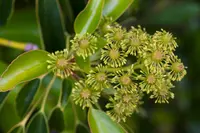
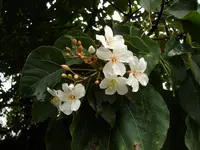
Its spring flowers are conspicuous clusters of many greenish-yellow stamens but have no petals, giving a distinctive, almost brush-like appearance that contrasts strongly with the foliage.

Botan icon

Did you know?

This species is the only living member of both its genus Trochodendron and its family Trochodendraceae, making it a relict lineage that provides key evidence for how some early flowering plant groups have survived largely unchanged for tens of millions of years.

FAQs about wheel tree

This species grows slowly, usually adding 10–20 cm per year once established. Growth is slower in poor soil, hot drying winds, or deep shade. Good moisture, organic mulch, and mild climates support steady, compact development.

Grow Healthy Plants with Botan Care

Keep your plants happy and healthy with plant identification, disease detection, and easy care guidance.

Botan plant care app — identify plants on mobile

Explore More Plants