Archanthemis marschalliana Care

Archanthemis marschalliana

About Archanthemis marschalliana

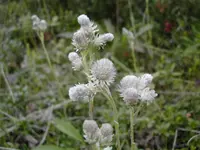
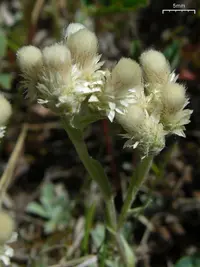
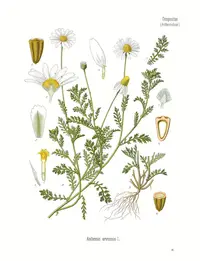
Archanthemis marschalliana is a low, mound-forming perennial in the daisy family, grown mainly for its fine, silvery foliage rather than showy flowers. It typically forms a dense cushion of soft, fern-like leaves that give a silvery carpet effect in rock gardens, borders, or containers.

This species is native to dry, open habitats in parts of Eurasia, which explains its strong tolerance of sun, wind, and relatively poor, well-drained soils. Its drought tolerance and compact growth habit make it straightforward for gardeners who want to care for Archanthemis marschalliana without demanding maintenance, provided the soil does not stay wet for long periods.

Main Plant Requirements

Care Difficulty

Easy Care

Light Preference

Full Sun

Water Requirements

Low Water

Temperature Preference

Cold Hardy

Hardiness Zone

4–8

Soil Texture

Sandy, Loamy, Rocky

Soil pH

Slightly acidic (6.5–7.0), Neutral (7.0)

Soil Drainage

Well-drained

Fertilization

Minimal (feed rarely)

Get Personalized Care Plan

Scan your plant to receive care tips personalized for your specific plant

Available on iOS and Android

How to Care for the Archanthemis marschalliana

This drought-tolerant perennial thrives in bright, open sites with plenty of direct sun.

  • Provide 6–8 hours of direct sun daily; morning and midday sun are ideal, while intense late-afternoon sun in hot summers may scorch foliage in very dry spots.
  • Tolerates light partial shade (3–4 hours sun), but flowering decreases and stems may stretch if shade exceeds half the day.
  • In cooler months or coastal climates, full sun all day is best; in very hot inland areas, give slight afternoon shade and avoid strong reflected heat from walls or paving.

This plant prefers slightly dry conditions and is sensitive to excess moisture around the roots.

  • Water only when the top 3–5 cm of soil are completely dry, then soak the root zone thoroughly and let excess drain away.
  • Use sharply drained, gritty or sandy soil; persistent wetness or puddling around roots leads to yellowing leaves and root rot in Archanthemis marschalliana.
  • In cool or rainy seasons, watering may be unnecessary; in hot, dry weather, increase frequency but watch for wilting, crisp leaves, or very light soil as signs to water.

This hardy perennial handles a wide temperature range but dislikes prolonged extreme heat with wet soil.

  • Optimal growth occurs around 60–75°F (16–24°C), especially during active spring and early summer growth and flowering.
  • The plant is frost hardy down to about 0–5°F (-18 to -15°C) once established, but young plants benefit from protection during the first severe freezes.
  • Tolerates summer heat up to 90–95°F (32–35°C) if soil is well drained; avoid waterlogged conditions during hot spells, which increase stress and root disease risk.

This species tolerates typical outdoor humidity and does not require special humidity management.

  • Target 40–60% humidity, which suits most outdoor conditions in temperate regions.
  • Dry air is usually tolerated, but prolonged hot winds can desiccate leaves at the margins.
  • If foliage scorches in very arid sites, group plants near other vegetation or install a low windbreak instead of misting.

Archanthemis marschalliana prefers lean, free-draining soil that does not stay wet after rain or irrigation.

  • Use a sandy or gravelly loam with 20–40% coarse sand or grit to prevent waterlogging around the crown.
  • Aim for slightly alkaline to neutral pH, roughly 6.8–7.5, which supports healthy growth and flowering.
  • Blend a modest amount of compost into the top layer only; excessive organic matter can hold water and promote root rot.
  • Avoid heavy clay or compacted ground and, if necessary, lighten existing soil with horticultural grit and perlite to improve aeration.

This species is suitable for container growing in sunny, well-ventilated outdoor positions.

  • Choose a wide, shallow pot that allows the fibrous root system to spread while keeping the crown slightly elevated above the rim line.
  • Use a gritty, fast-draining mix and raise the container on pot feet so drainage holes never sit in standing water.
  • Select a heavier material such as clay or concrete if the site is windy, as the spreading top growth can act as a sail.

This hardy perennial from dry habitats needs only light feeding to maintain compact, floriferous growth.

  • Use a balanced, low-strength granular or liquid fertilizer (for example 10-10-10) at 1/2 label rate in spring as new growth starts.
  • Feed every 6–8 weeks through the main growing season if soil is poor; skip feeding on rich garden soils.
  • Avoid high-nitrogen products that promote lush, floppy foliage at the expense of flowers.
  • Stop fertilizing Archanthemis marschalliana by late summer so growth hardens before cold weather.

Thoughtful pruning keeps Archanthemis marschalliana dense, tidy, and free-flowering.

  • In late winter or very early spring, cut back old, woody stems to a low framework to renew growth.
  • During flowering, deadhead spent blooms with clean hand pruners to extend the blooming period.
  • Remove dead, damaged, or crowded shoots at the base to improve air flow and reduce disease risk.
  • Lightly trim wayward stems after the main flush to maintain a compact, mounded shape.

This perennial is usually grown in open ground but can be transplanted or container-grown when managed carefully.

  • Plan transplanting for early spring or early fall when temperatures are mild and soil is workable.
  • Move plants when clumps show crowded centers, slow growth, or reduced flowering, typically every 3–4 years.
  • Lift with a generous root ball, keep roots shaded and moist, and replant at the same depth in well-drained soil.
  • Water thoroughly after transplanting and maintain even moisture until new growth indicates recovery.

Archanthemis marschalliana is most commonly propagated by division or semi-ripe cuttings.

  • Divide established clumps in early spring or early fall, replanting vigorous outer sections into well-drained soil.
  • Take 6–8 in semi-ripe stem cuttings in late spring to summer, removing lower leaves.
  • Insert cuttings in a gritty, free-draining mix under bright, indirect light and moderate humidity for rooting.
  • Sow seeds in spring in a light seed mix, keeping slightly moist and providing good air circulation.

This species is fairly cold hardy in many temperate climates and usually needs only modest winter care.

  • Tolerates light to moderate frost when planted in sharply drained soil that prevents winter wet.
  • Apply a 5–7 cm mulch around, but not against, the crown in late fall to buffer freeze–thaw cycles.
  • In very cold or wet regions, grow Archanthemis marschalliana in containers and move to a cold, bright, sheltered spot for winter.

Care Tips

Regular deadheading

Remove spent flower heads down to the first leafy side shoot every few days during bloom to extend flowering and keep plants compact rather than letting them go to seed.


Light trimming after flush

After the main flowering flush, lightly shear back stems by 3–5 cm and water well to encourage a tidy mound and a second, lighter round of blooms.

Support in windy sites

In exposed beds, place low, unobtrusive ring supports or short peony hoops around young plants in spring so stems grow through and stay upright under flower weight and wind.

Targeted slug protection

In early spring, protect new basal shoots with physical barriers such as copper tape around containers or rough gravel mulch around crowns, as tender growth is highly attractive to slugs and snails.

Short-lived clump renewal

Plan to divide or replant from cuttings every 3–4 years, since caring for Archanthemis marschalliana as a short-lived perennial prevents woody, open centers and maintains dense flowering growth.

Common Pests and Diseases

Botrytis blight

This disease causes soft, water-soaked spots on leaves and stems that quickly develop a fuzzy gray mold, especially in cool, damp conditions. Symptoms include collapse of flower stems and premature browning of foliage.

Solution

Remove and discard all affected stems and leaves, then thin or space plants to improve airflow and keep foliage as dry as possible. Avoid overhead watering, clean up plant debris around the clump, and apply a labeled fungicide preventively during prolonged wet, cool periods if the plant has a history of Botrytis problems.

Powdery mildew

This disease produces white, powdery patches on leaves and sometimes on stems, leading to distortion, yellowing, and reduced flowering under dry days and humid nights. Symptoms include a dull, grayish cast over the foliage when infection is advanced.

Solution

Prune out and discard heavily affected shoots and increase air circulation by avoiding overcrowding. Water at the base in the morning, avoid excess nitrogen fertilizer, and, if needed, use a sulfur or potassium bicarbonate fungicide labeled for ornamentals at the first sign of infection as part of broader Archanthemis marschalliana care instructions.

Aphids

These insects cluster on young shoots and buds, sucking sap and causing curling, distortion, and sticky honeydew that can attract sooty mold. This pest can also weaken plants and reduce flowering if populations are high.

Solution

Spray colonies off with a firm stream of water and pinch out heavily deformed shoot tips. For persistent infestations, treat with insecticidal soap or a light horticultural oil, making sure to coat the undersides of leaves and repeat as the label directs while encouraging natural predators such as lady beetles where possible.

Leaf miners

These insects feed inside the leaf tissue, creating winding, pale trails or blotches that can make the foliage look unsightly but usually do not kill the plant. Symptoms include thin, serpentine lines that follow the path of the larva between leaf surfaces.

Solution

Remove and discard affected leaves as soon as mines are noticed to reduce the number of developing larvae. For recurring problems, use floating row covers on newly emerging foliage in spring, or apply a systemic insecticide labeled for ornamental leaf miners according to directions, focusing treatments early in the season.

Spider mites

This pest causes fine stippling, bronzing, and eventual drying of foliage, often accompanied by very fine webbing between leaves and stems in hot, dry weather. Symptoms include a dull, dusty look to foliage and reduced vigor over time.

Solution

Rinse foliage thoroughly with water, including the undersides of leaves, to physically remove mites and reduce dust that favors them. If populations remain high, use insecticidal soap or a horticultural oil labeled for mites, applied in repeated intervals, and keep plants less stressed by avoiding drought and reflected heat where possible.

Interesting Facts

Caucasus steppe specialist

This species is native to dry, open steppe habitats in the Caucasus and adjacent regions, where it grows on poor, rocky or sandy soils with high sun exposure and low competition from taller plants.

Woolly foliage adaptation

Its silvery, densely hairy leaves help reflect intense sunlight and reduce water loss, an adaptation that supports survival in hot, drought-prone environments.

Early-season nectar source

The small, pale flower heads open relatively early in the warm season in its native range, providing nectar and pollen for local insects when other steppe plants may still be limited.

FAQs about Archanthemis marschalliana

This species is a low, mound-forming perennial. In suitable climates it returns year after year from the same root system, though individual clumps may decline after several seasons and benefit from division or replanting.

Grow Healthy Plants with Botan Care

Keep your plants happy and healthy with plant identification, disease detection, and easy care guidance.

Botan plant care app — identify plants on mobile

Explore More Plants