woodland lettuce Care (Lactuca floridana)

woodland lettuce

About woodland lettuce

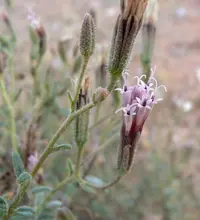
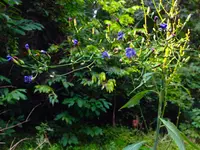
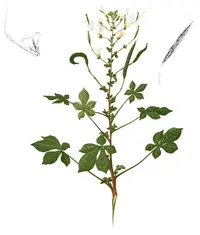
Woodland lettuce, Lactuca floridana, is a native North American wildflower in the daisy family. It is a biennial or short-lived perennial with tall, branching stems. Plants form loose clumps of lobed green leaves and airy clusters of small pale blue to white flowers, giving a light, open look. In suitable conditions it self-seeds and can form scattered colonies. Woodland lettuce typically grows in open woods, woodland edges, and shaded roadsides with moist, well-drained soil. It favors partial shade and consistent moisture, which guides how to care for woodland lettuce in gardens or naturalized plantings.

Main Plant Requirements

Care Difficulty

Moderate Care

Light Preference

Partial Shade

Water Requirements

Moderate Water

Temperature Preference

Cool Climate

Hardiness Zone

4–9

Soil Texture

Loamy, Silty, Organic-rich

Soil pH

Acidic (5.5–6.5), Slightly acidic (6.5–7.0)

Soil Drainage

Moist but well-drained

Fertilization

Minimal (feed rarely)

Get Personalized Care Plan

Scan your plant to receive care tips personalized for your specific plant

Available on iOS and Android

How to Care for the woodland lettuce

This native woodland lettuce prefers bright shade with limited direct sun exposure.

  • Provide dappled or filtered light under trees, with 1–3 hours of gentle morning sun and shade the rest of the day.
  • Avoid harsh afternoon sun; more than 3–4 hours of strong direct light can scorch leaves and dry soil too quickly.
  • In summer, shift plants to deeper shade; in cooler spring and fall, slightly brighter conditions help maintain compact, healthy growth.

Lactuca floridana prefers consistently moist, but not saturated, soil.

  • Check the top 2–3 cm of soil; water when this layer feels slightly dry but deeper soil is still cool and moist.
  • Use loose, well-drained soil so excess water runs off easily, reducing risk of root rot and sour, anaerobic conditions.
  • In spring and fall, moisture demand is moderate; during hot, dry spells, monitor every 1–2 days for wilting or crisp leaf edges indicating thirst.

This woodland perennial favors cool to mild temperatures and declines in extreme heat or cold.

  • Aim for 55–75°F (13–24°C) for active growth, with strongest performance in the cooler part of this range.
  • It tolerates brief drops to about 25°F (-4°C), but hard freezes below this can damage foliage and kill young plants.
  • In summer, sustained heat above 85°F (29°C) may cause stress and early flowering; provide shade and consistent moisture to reduce heat impact.

Humidity is rarely a limiting factor for Lactuca floridana in typical outdoor or household conditions.

  • Target 40–60% relative humidity, which matches most temperate outdoor climates and standard indoor air.
  • This species tolerates short spells of drier air, but extended very dry indoor heating can speed wilting and tip burn.
  • If foliage wilts despite moist soil, group pots, use a nearby water tray, or move woodland lettuce away from strong hot drafts.

Lactuca floridana prefers loose, moist but draining soil that mimics a humus-rich woodland edge.

  • Use a loamy mix with high organic matter, such as garden loam blended with leaf mold or compost for structure and nutrients.
  • Ensure steady drainage by incorporating 20–30% coarse material like perlite, pumice, or coarse sand to prevent waterlogging around the roots.
  • Aim for a slightly acidic to neutral pH around 6.0–7.0, which supports nutrient availability and stable growth for Lactuca floridana.
  • Avoid heavy, compacted clay or soil that stays saturated; lighten such sites with organic matter and coarse aggregates to improve aeration.

This species can be grown in containers if the pot supports its taproot and consistent moisture.

  • Choose a deep container at least 25–30 cm tall so the taproot can extend without circling tightly.
  • Select a heavier or wide-based pot outdoors to prevent tall flowering stems from tipping the container in wind.
  • Use a mix that drains fast yet retains some moisture, and slightly elevate the pot feet so excess water exits quickly after rain or watering.

Native Lactuca floridana usually needs little or no fertilizer in garden soil with moderate organic matter.

  • If growth is weak or leaves are pale, apply a light top-dressing of compost in early spring.
  • For containers, use a dilute balanced liquid fertilizer (around 10-10-10) at 1/4–1/2 strength every 4–6 weeks in active growth.
  • Skip feeding in late fall and winter to avoid soft, weak growth as the plant slows down.

Lactuca floridana benefits from light, timely pruning to manage size and encourage fresh foliage.

  • Cut back spent flowering stems in late summer to reduce self-seeding and maintain a tidier shape.
  • Remove any dead, damaged, or diseased stems as soon as noticed using clean, sharp scissors or hand pruners.
  • Thin crowded stems near the base to improve airflow and reduce foliar disease risk.
  • Deadhead before seeds mature if you want to limit spread while still supporting leafy growth.

This species is more often transplanted in native beds than repotted, since it is usually short-lived and taprooted.

  • Transplant young plants in early spring or early fall, before taproots enlarge and while weather is mild.
  • Look for roots circling the container or slowed growth as a sign that seedlings or starts need moving into the ground.
  • Handle the root ball gently, keeping soil intact, and water thoroughly after planting to settle soil and limit shock.
  • Space plants so mature rosettes have good airflow, reducing competition and stress after transplanting.

Gardeners usually propagate Lactuca floridana by seed rather than vegetative methods.

  • Collect seeds from mature, fluffy seedheads and store them dry and cool until sowing.
  • Sow seeds in spring on or just below the soil surface; they need light, consistent moisture, and 60–70°F to germinate well.
  • Use a free-draining, fine seed-starting mix and avoid covering seeds too deeply, which can reduce germination.
  • Thin seedlings to prevent crowding, then transplant carefully while small to establish strong plants.

This native woodland lettuce is generally cold hardy in much of its range and needs little specific winter care.

  • In colder regions, a light 2–5 cm layer of leaf mulch helps insulate the root zone and stabilize soil moisture.
  • Container-grown plants in cold climates can be moved to an unheated but sheltered area to reduce freeze–thaw stress.
  • Avoid heavy winter watering; keep soil just barely moist to prevent root rot in dormant or semi-dormant plants.

Care Tips

Timed succession sowing

Stagger sowings every 2–3 weeks from early spring to midsummer so that flowering and seed production are spread out, which maintains a continuous stand and reduces stress on any single cohort.

Encouraged self‑seeding

Allow a portion of mature flower heads to dry fully on the plant, then gently shake or crumble them over lightly disturbed soil in late summer so the patch can re‑establish itself with minimal intervention when growing woodland lettuce.

Targeted shade management

In open sites, use 30–40% shade cloth or plant on the north or east side of taller perennials to mimic woodland edge light and reduce leaf bitterness during hotter months.

Selective thinning practice

Once seedlings reach 5–8 cm tall, thin crowded patches to 15–20 cm spacing by cutting excess plants at soil level rather than pulling, which avoids disturbing the shallow roots of remaining plants.

Sanitation against mildew

Remove and discard older, lower leaves that show early powdery mildew or spotting, and avoid wetting foliage late in the day to slow disease spread and keep new growth cleaner.

Common Pests and Diseases

Downy mildew

This disease causes yellow to pale green angular spots on the upper leaf surface with a gray to purplish fuzzy growth underneath, especially in cool, humid weather. Symptoms include rapid decline of older leaves and reduced vigor in dense woodland stands.

Solution

Remove and destroy heavily infected leaves to reduce spores, and avoid overhead watering so foliage dries quickly. Improve air circulation by thinning crowded plants, and in repeatedly affected sites rotate away from Lactuca species for 2–3 years to break the disease cycle.

Leaf spot

This disease produces small, round to irregular dark spots on leaves that may merge into larger blotches, often with a tan center and darker margin. Symptoms include premature yellowing and dropping of lower foliage in moist woodland conditions.

Solution

Promptly remove spotted, senescing leaves and plant debris from around plants to reduce inoculum. Water at soil level, increase spacing if plants are dense, and if the problem persists in a garden setting use a labeled copper or chlorothalonil fungicide according to product directions as part of broader Lactuca floridana care instructions.

Aphids

These insects cluster on tender stems and leaf undersides, sucking sap and causing curling, yellowing, and sticky honeydew deposits that can attract sooty mold. This pest multiplies quickly in sheltered, nutrient-rich sites or on woodland-edge plantings.

Solution

Spray plants with a firm stream of water to dislodge colonies, repeating every few days as needed. Encourage natural predators such as lady beetles, and in heavier infestations use insecticidal soap or a light horticultural oil applied thoroughly to leaf undersides, following label directions.

Slugs and snails

These pests chew irregular holes in leaves, often leaving only the midribs on tender seedlings and young plants, and leave characteristic slime trails on soil and foliage. Damage is most noticeable after cool, wet nights in shaded woodland sites.

Solution

Hand-pick slugs and snails at dusk or early morning and reduce hiding places by removing boards, thick mulch mats, and dense ground litter near plants. Use iron phosphate bait placed in shallow stations away from children and pets, and maintain drier surface conditions around plant crowns where possible.

Interesting Facts

Tall woodland lettuce

This species is one of the tallest North American wild lettuces, often reaching 1.5–2.5 m in rich woodland edges and disturbed forest margins, which helps it compete for light above surrounding herbaceous plants.

Variable leaf shapes

On a single plant, lower leaves are often large and deeply lobed while upper leaves become narrow and less divided, a vertical change in form that reduces shading of its own foliage and may aid efficient light capture.

Milky latex defense

Like other wild lettuces, it exudes a white milky latex when cut; this bitter sap discourages many herbivores and is most noticeable in the stems and main leaf veins.

FAQs about woodland lettuce

This species produces small pale blue to white flowers that provide nectar and pollen for native bees and some butterflies. It is not a top-tier pollinator magnet, but it contributes usefully to woodland and shade-garden diversity.

Grow Healthy Plants with Botan Care

Keep your plants happy and healthy with plant identification, disease detection, and easy care guidance.

Botan plant care app — identify plants on mobile

Explore More Plants