Monkey-pod Care (Archidendron clypearia)

Monkey-pod

About Monkey-pod

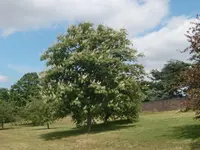
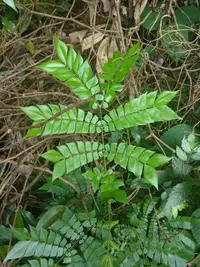
Monkey-pod, Archidendron clypearia, is a fast-growing tropical tree in the legume family, valued for its broad canopy and decorative seed pods. It typically develops a rounded crown with fine, feathery foliage that casts light, filtered shade.

This species is native to parts of South and Southeast Asia, where it grows in warm, humid lowland forests and along roadsides. It adapts best in frost-free climates, which affects how easy it is to establish.

The tree is generally robust but needs space, consistent warmth, and moderately moist, well-drained soil to stay healthy. Understanding these natural preferences helps clarify how to care for Monkey-pod in managed landscapes.

Main Plant Requirements

Care Difficulty

Moderate Care

Light Preference

Partial Shade

Water Requirements

Moderate Water

Temperature Preference

Tropical / Frost Sensitive

Hardiness Zone

10–11

Soil Texture

Loamy, Sandy, Organic-rich

Soil pH

Acidic (5.5–6.5), Slightly acidic (6.5–7.0)

Soil Drainage

Moist but well-drained

Fertilization

Minimal (feed rarely)

Get Personalized Care Plan

Scan your plant to receive care tips personalized for your specific plant

Available on iOS and Android

How to Care for the Monkey-pod

This tree prefers bright, filtered light that mimics an open forest edge.

  • Provide 4–6 hours of bright, indirect light or soft morning sun, with protection from harsh midday and afternoon sun to prevent leaf scorch.
  • Tolerates light to moderate partial shade, but very dense shade reduces growth and canopy density in Monkey-pod over time.
  • In hot summers, use taller plants or light shade cloth for dappled shade; in cooler seasons, allow more direct morning sun to support steady growth.

Watering should aim for evenly moist but never waterlogged soil.

  • Allow the top 3–5 cm of soil to dry before deep watering, so moisture reaches the full root zone instead of staying near the surface.
  • Use well-drained soil and avoid standing water; yellowing, soft leaves and persistent wetness suggest overwatering or poor drainage.
  • In warm, dry periods, expect more frequent watering as leaves may soften or curl slightly, while cooler seasons usually require less frequent deep soaking for Archidendron clypearia.

This species prefers consistently warm, frost-free conditions.

  • Aim for 70–86°F (21–30°C) during active growth, which supports steady canopy and root development.
  • Protect from cold; growth slows below 60°F (16°C) and sustained temperatures under 45°F (7°C) can damage foliage and young wood.
  • The tree tolerates short heat spells up to about 95°F (35°C) if soil moisture is maintained, but combine mulch and partial shade during extreme heat or dry winds.

This species prefers moderately humid air and reacts to very dry conditions.

  • Aim for 50–70% humidity, especially for young Monkey-pod plants grown in sheltered or indoor-like settings.
  • Dry air causes leaf tip browning, rolled leaf edges, and slower new growth compared with plants grown in higher humidity.
  • Increase humidity with grouped plants, a nearby open tray of water and stones, or brief use of a room humidifier rather than frequent misting.

Archidendron clypearia grows best in deep, moisture-retentive but well-drained soil.

  • Use a loamy mix rich in organic matter, such as 2 parts composted bark or leaf mold, 1 part garden loam, and 1 part coarse sand or grit.
  • Ensure free drainage so water does not stand around the roots, which are sensitive to prolonged saturation and low oxygen.
  • Aim for slightly acidic to neutral pH, roughly 6.0–7.0, avoiding highly alkaline sites that can limit nutrient uptake.
  • Improve aeration and structure by incorporating coarse particles (bark chips, grit, or perlite) rather than relying only on fine compost or clay-heavy soil.

This species can be grown in containers when young or maintained smaller with careful root space management.

  • Choose a wide, heavy container to counterbalance the developing canopy and reduce the risk of tipping in wind-exposed positions.
  • Select a pot deep enough to allow a strong taproot and lateral roots to develop without circling tightly near the base.
  • Use a container material that moderates moisture, such as thick-walled clay, to avoid rapid drying of the substantial root mass.

This tree grows in modest soils but responds well to light feeding during the active season when grown as Monkey-pod in gardens or large containers.

  • Use a balanced NPK fertilizer or well-rotted compost in spring, applied in a thin layer over the root zone.
  • Feed every 6–8 weeks during the warm growing season with a diluted liquid or slow-release product at 50% label strength.
  • Avoid fertilizing during winter or cool dormant periods to prevent weak, elongated growth.
  • Water thoroughly after each application to move nutrients into the root zone and reduce salt buildup.

Pruning supports safe structure and manageable size for Archidendron clypearia in landscape settings.

  • Carry out main pruning in late winter or very early spring before vigorous new growth begins.
  • Remove dead, diseased, crossing, or storm-damaged branches first, cutting back to healthy wood.
  • Thin crowded interior shoots to improve light penetration and air flow, helping reduce fungal issues.
  • Use sharp, clean bypass pruners or a pruning saw, making smooth cuts just outside the branch collar.

This species is usually grown in the ground, so care focuses more on transplanting young trees than frequent repotting.

  • Transplant in late winter or early spring when soil is workable and temperatures are mild.
  • Look for circling roots in containers, slowed growth, or quick drying soil as signs a move to a larger site is needed.
  • Choose a hole 2–3× wider than the root ball, set the tree at the same depth, and backfill with native soil.
  • Water deeply after planting, mulch 5–8 cm around (not against) the trunk, and keep soil evenly moist to reduce transplant shock.

Propagation of Archidendron clypearia is typically done from seed, with vegetative methods used less often.

  • Collect fully ripe pods, dry them, then remove and clean the seeds for best germination.
  • Sow seeds in warm conditions around 70–80°F in a well-drained, sterile mix, just barely covered.
  • Keep the medium evenly moist, not waterlogged, and provide bright, indirect light until seedlings establish.
  • Transplant seedlings to individual pots once they have several true leaves, handling roots gently to avoid damage.

This tropical to subtropical tree has low frost tolerance and benefits from basic winter precautions in cooler climates.

  • In regions with light frost, apply a 5–8 cm mulch layer over the root zone to buffer temperature swings.
  • Wrap young trunks with breathable fabric or use temporary windbreaks during cold snaps to limit tissue damage.
  • Grow container specimens in large pots so they can be moved indoors or into a frost-free greenhouse before nights drop near freezing.

Care Tips

Early structural pruning

In the first 2–3 years, remove crossing or steeply upright shoots and favor 3–5 well-spaced main branches to build a strong, balanced canopy that resists breakage in wind or under its own weight.

Root zone protection

Maintain a wide mulch ring 5–8 cm deep around the drip line and keep heavy foot traffic, lawn equipment, and construction away from this area to prevent root compaction and trunk damage.

Wind and weight management

In exposed sites, use temporary staking for young trees and selectively thin dense interior branches every 1–2 years so the canopy lets wind pass and is less likely to suffer limb failure when mature.

Nodulation check

Every few years, gently inspect a small portion of the root zone for nitrogen-fixing nodules and, if they are scarce, avoid overfertilizing with high-nitrogen products so the plant continues to support its own nitrogen needs.

Flower and pod hygiene

Where falling flowers and pods create slip hazards or clog gutters, schedule regular cleanup during peak drop and consider light, targeted thinning of fruiting clusters to keep caring for Monkey-pod practical in small urban spaces.

Common Pests and Diseases

Leaf-miner larvae

This pest creates pale, winding tunnels inside the leaf blades, which can cause premature yellowing and reduced photosynthesis in young foliage.

Solution

Remove and destroy heavily mined leaves to reduce the larval population, then monitor new growth closely; if damage continues, apply a targeted biological control such as Bacillus thuringiensis (Bt) or a systemic insecticide labeled for leaf-miners, following local regulations and label directions.

Scale insects

These insects appear as small, fixed bumps on stems and leaf undersides, sucking sap and causing gradual yellowing, leaf drop, and sticky honeydew that can attract sooty mold.

Solution

Prune and discard heavily infested twigs, then wipe reachable stems and leaves with a cloth dipped in mild soapy water or 70% isopropyl alcohol; for larger trees or persistent infestations, use a horticultural oil spray during the crawler stage or a systemic product recommended by a local arborist familiar with Archidendron clypearia care.

Twig borers

This pest tunnels into young branches, leading to wilting shoots, dieback of small twigs, and small entry holes sometimes accompanied by frass (sawdust-like material).

Solution

Promptly prune and destroy affected twigs several inches below visible damage to remove larvae, then keep the tree vigorous with adequate water and balanced nutrition; in areas with repeated attacks, a certified arborist may recommend timing-specific trunk or branch treatments aimed at adult beetles before they lay eggs.

Anthracnose

This disease causes irregular brown leaf spots, marginal blight, and in humid conditions can lead to patchy defoliation, especially on tender new growth and shaded inner foliage.

Solution

Collect and dispose of fallen leaves to reduce inoculum, improve light penetration and airflow through careful thinning, and avoid overhead irrigation; in locations with severe, recurring disease pressure, a copper-based or other labeled fungicide can be applied preventively at the start of warm, wet periods.

Powdery mildew

This disease presents as a white to gray powdery coating on leaves and young shoots, which can distort new foliage and reduce overall vigor under prolonged humid, shaded conditions.

Solution

Increase light and airflow around the canopy through pruning of congested branches and avoidance of dense hedging, and remove leaves with heavy infection; if ornamental value is important and symptoms persist, apply a labeled fungicide such as a sulfur or potassium bicarbonate product, ensuring good coverage of both leaf surfaces.

Interesting Facts

Distinctive shield-like pods

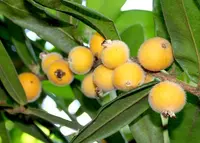
This species produces flattened, disc-like seed pods with a central constriction that gives them a shield or coin-like appearance, a trait that helps distinguish it from many other mimosoid legumes.

Patchy Asian distribution

It occurs naturally in scattered areas from parts of India and Nepal through southern China to Southeast Asia, typically as a minor tree in lowland and foothill forests rather than forming dominant stands.

Role in forest structure

The tree often grows in secondary and edge forests where it contributes to mid-canopy structure, providing shade and habitat complexity for understory plants and small animals.

FAQs about Monkey-pod

This species is a medium to large tree and is generally unsuitable for long-term indoor decoration. Young plants tolerate containers indoors briefly but require strong light, ample space, and eventual outdoor planting for stable health and structure.

Grow Healthy Plants with Botan Care

Keep your plants happy and healthy with plant identification, disease detection, and easy care guidance.

Botan plant care app — identify plants on mobile

Explore More Plants