


Capeweed Identification (Arctotheca calendula)

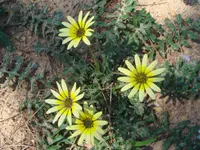
To recognize Capeweed, look first for a low, spreading rosette with lobed leaves held close to the ground and pale undersides. Flower heads sit singly on leafless stalks and show bright yellow rays around a darker central disk.

Plants usually stay under 1 foot (30 cm) tall.

Arctotheca calendula Identification

Is This Capeweed?

Not sure about your plant ID? Upload a photo and check it with Botan.

Clear images work best. Avoid photos taken too close or too far away

  • 1 free identification
  • No sign-up
  • 30,000+ plants in database

Use these visible traits to check for Capeweed at a glance.

  • Forms a low, spreading rosette or mat rather than upright stems.
  • Leaves are mostly basal, deeply lobed, and can reach about 8 inches (20 cm) long.
  • Leaf surfaces are green above and often whitish or woolly underneath.
  • Flower heads sit singly on leafless stalks and are about 1 to 2 inches (2.5 to 5 cm) across.
  • Each flower head has bright yellow ray florets around a darker yellow to blackish center disk.

Check both the leaf undersides and the single stalked flower heads for the clearest match.

Capeweed shows clear visual shifts from low rosette to stalked flowering and seed set.

  • Juvenile plant: Begins as a flat basal rosette with broad, deeply lobed leaves. Leaf undersides look pale or whitish, and no flowering stems are present.
  • Flowering stage: The rosette sends up branched stalks, lifting daisy-like heads above the leaves. Flower heads are about 1-2 inches (2.5-5 cm) across, yellow with darker centers.
  • Fruiting stage: After flowering, heads lose showy rays and become seed heads. The plant looks drier, with persistent stalks and less emphasis on the basal rosette.

Capeweed is most distinctive in its flowering season, usually from spring into early summer. At that time, the low rosette is topped by bright yellow, daisy-like flower heads on stalks held above the leaves. After flowering, spent heads dry and turn seed-bearing, which can help confirm the plant before the fresh blooms fade.

Several yellow daisy-like groundcovers can be mistaken for Capeweed.

gazania(Gazania rigens)

Both make low mats with bright yellow daisy heads. Gazania usually has narrower leaves with smooth to slightly toothed edges and a distinctly white-felted underside, while Arctotheca calendula more often shows broader, deeply lobed leaves.

creeping oxeye(Wedelia trilobata)

Both spread and carry yellow daisy-like flowers close to the ground. Creeping oxeye has opposite, glossy leaves, often with three shallow lobes, while Arctotheca calendula has a basal rosette and softer, hairy leaves rather than paired stem leaves.

Arctotheca calendula is native to South Africa, especially the Cape regions. It occurs in coastal and near-coastal habitats, including sandy flats, dunes, disturbed ground, and open grassland. That setting helps with identification because this species is commonly encountered in low, open, often sandy sites rather than forest or wetland habitats. In the field, a daisy-like groundcover in coastal sand or disturbed grassland is more likely to fit Arctotheca calendula.

Confirm It from a Photo

Use Botan to identify or verify the plant from a photo, which helps reduce mix-ups before you label or compare it.

FAQ

The most useful clue is the low rosette of deeply lobed, dark green leaves with a whitish, woolly underside. For Capeweed identification, combine that with solitary yellow daisy-like flower heads on leafless stalks.

More Plant Identification Guides

One Photo. More About Your Plant.

Identify a plant from a photo with Botan, then review species-specific care information, plant details, and common problems.

Botan app identifying a plant from a photo
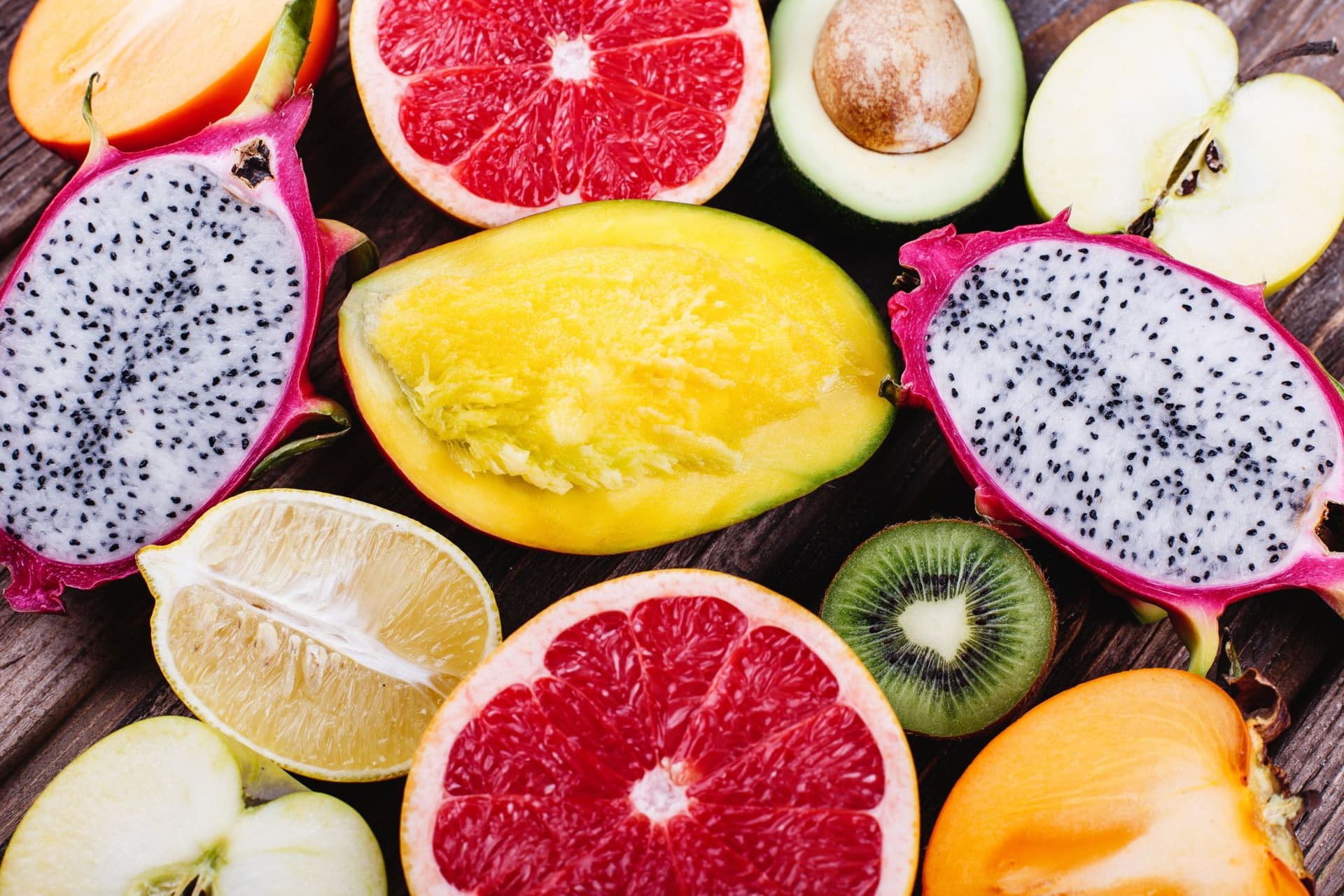
20 Most Popular Fruits Around the World

7 min read · 22 Jul 2026

20 Most Popular Fruits Around the World

Curious which fruits the world actually eats the most? Here's the top-20 by production volume, an overview of what people choose in each region, and a few figures that defy common assumptions.

Plant Recommendations
20 Most Popular Fruits Around the World
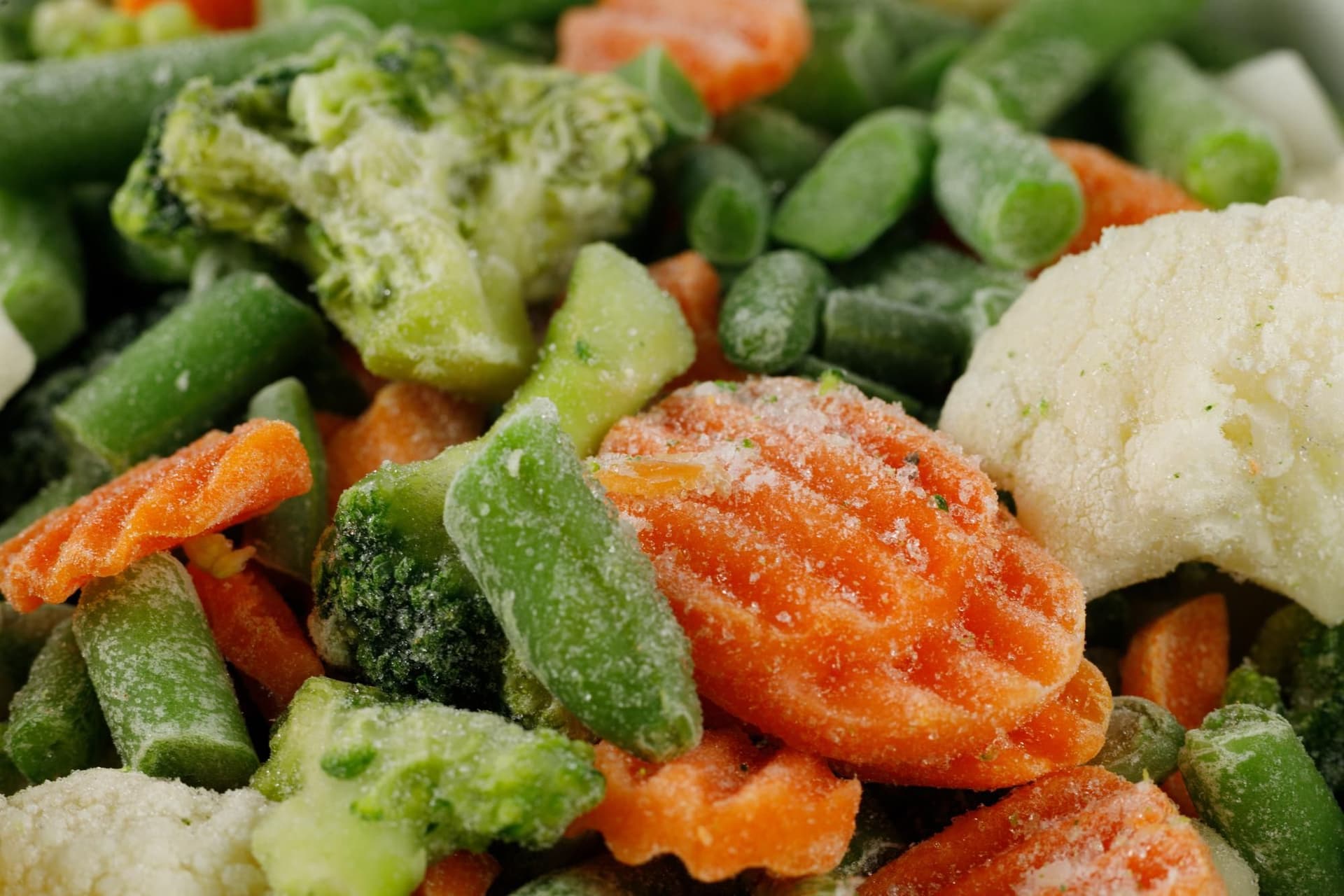
Frozen vs Fresh Vegetable Nutrients: Which Option Is Healthier?

6 min read · 8 Sept 2026

Frozen vs Fresh Vegetable Nutrients: Which Option Is Healthier?

Frozen and fresh vegetables are nutritionally comparable: frozen produce often retains vitamins just as well as fresh and may sometimes contain more. Here’s how blanching and storage affect nutrients—and when to choose each.

Plant Recommendations
Frozen vs Fresh Vegetable Nutrients: Which Option Is Healthier?
Best Bedroom Plants – Top 10 to Grow in Your Space

8 min read · 8 Jul 2026

Best Bedroom Plants – Top 10 to Grow in Your Space

Discover the top 10 houseplants that are suitable for growing in your bedroom. Compare their light and water needs, pet safety, and benefits. Find out where best to place greenery in your relaxation space and what species to avoid.

Plant Recommendations
Best Bedroom Plants – Top 10 to Grow in Your Space