Encourage Compact Growth
Pinch back the tips of young shoots once or twice early in the season to keep plants low, dense, and floriferous rather than tall and leggy.

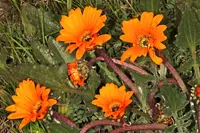
Flat African daisy, Arctotis acaulis, is a low-growing perennial from South Africa, often grown as an annual in cooler climates. It forms a compact rosette of silvery, often felted leaves that help it tolerate sun and dryness.
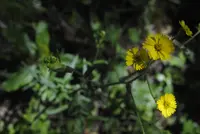
The plant produces bold, daisy-like flowers in bright shades of yellow, orange, or white, usually opening in full sun and closing in shade or dull weather. This sun-loving species prefers well-drained, lean soil and is sensitive to waterlogged conditions.
Arctotis acaulis is generally considered easy to grow in warm, bright sites with low to moderate moisture, which simplifies how to care for Flat African Daisy for many home gardeners.

Care Difficulty
Moderate Care

Light Preference
Full Sun

Water Requirements
Low Water

Temperature Preference
Warm Climate

Hardiness Zone
9–11

Soil Texture
Sandy, Loamy, Rocky

Soil pH
Slightly acidic (6.5–7.0), Neutral (7.0)

Soil Drainage
Well-drained

Fertilization
Minimal (feed rarely)
Scan your plant to receive care tips personalized for your specific plant
Available on iOS and Android
This low-growing daisy thrives in bright, open sites with strong sun exposure.
This drought-tolerant perennial prefers infrequent, deep watering in sharply drained soil.
This species prefers mild, dry conditions and dislikes hard frost or humid heat.
Humidity is rarely critical for Arctotis acaulis, which prefers dry, airy conditions typical of most heated homes.
Arctotis acaulis performs best in lean, fast-draining, sandy soil that never stays waterlogged.
This species is well suited to sunny container culture on patios, balconies, and other well-ventilated outdoor spots.
Arctotis acaulis benefits from light, targeted feeding during its active growing and flowering season.
Pruning Arctotis acaulis focuses on spent flowers and tired growth to maintain compact, floriferous plants.
This species is more often grown in beds than in pots, so transplanting young plants correctly is more important than frequent repotting.
Arctotis acaulis is commonly propagated from seeds and short stem cuttings taken in warm seasons.
This low-growing daisy prefers mild, dry winters and may suffer in prolonged, wet freezing conditions.

Plant Health Check
Not sure what's wrong with your plant? Check your plant's health inside the app.
Its flower heads usually open in full sun and close in shade or late afternoon, a heliotropic response that helps protect pollen and reproductive structures from cool, damp night conditions.
This species forms a very flat basal rosette of leaves pressed close to the ground, which reduces wind damage and helps the plant exploit stored soil warmth in its native open, often coastal habitats of the Cape region of South Africa.
The leaves and stems often have a silvery, hairy surface that reflects strong light and reduces water loss, an adaptation to the bright, relatively dry environments where this species naturally occurs.

Arctotis acaulis is one of the species that contributed to the development of several modern ornamental hybrid Arctotis cultivars, valued by breeders for its ground-hugging habit and showy composite flower heads with contrasting dark central discs.
Lack of flowers often comes from insufficient light, nutrient-poor or overly rich soil, or plants that are too young. Old, woody clumps may also flower less and benefit from division and rejuvenation every few years.
Keep your plants happy and healthy with plant identification, disease detection, and easy care guidance.