

Mark Dormant Sites
After foliage dies back, discreetly mark bulb locations with stones or tags so you avoid disturbing clumps when digging, replanting, or adding other perennials nearby.

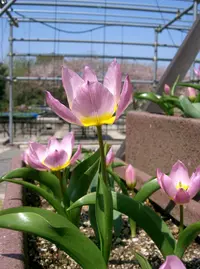
Cretan tulip (Tulipa saxatilis) is a small bulbous perennial known for its star-shaped, soft pink flowers with bright yellow centers. It forms low clumps of narrow, grey-green leaves and usually blooms in mid to late spring.
This species is native to rocky slopes and open areas on Crete and nearby Greek islands, so it is naturally adapted to well-drained, stony soils. It prefers full sun, dry summers, and moderate moisture during the growing season, which makes it suitable for rock gardens and informal naturalized plantings.
Once established in suitable conditions, it can be long-lived and slowly form small colonies, so overall it is considered a relatively easy bulb to care for Cretan tulip outdoors in mild climates.

Care Difficulty
Moderate Care

Light Preference
Full Sun

Water Requirements
Moderate Water

Temperature Preference
Cool Climate

Hardiness Zone
5–9

Soil Texture
Sandy, Loamy, Rocky

Soil pH
Slightly acidic (6.5–7.0), Neutral (7.0)

Soil Drainage
Well-drained

Fertilization
Minimal (feed rarely)
Scan your plant to receive care tips personalized for your specific plant
Available on iOS and Android
This Mediterranean bulb thrives in bright, open conditions that mimic its native rocky habitats.
Tulipa saxatilis prefers infrequent, thorough watering and distinctly dry periods around its dormant bulbs.
This species responds strongly to seasonal temperature shifts, needing cool winters and mild springs to flower well.
Tulipa saxatilis handles typical indoor humidity well, so humidity rarely limits performance.
This species prefers light, fast-draining mineral soil that dries between waterings.
This species is well suited to container cultivation outdoors in climates with cool winters.
Tulipa saxatilis benefits from modest feeding to support flowering but does not need heavy fertilization.
Pruning needs for Tulipa saxatilis are minimal and focus on post-flowering cleanup.
This species is usually grown in the ground, so transplanting clumps is more common than container repotting.
Propagation of Tulipa saxatilis is mainly done by bulb division, with seed used mostly for longer-term projects.
In many mild regions, this Cretan tulip is reasonably cold tolerant and needs only light winter attention.

Plant Health Check
Not sure what's wrong with your plant? Check your plant's health inside the app.
This species is naturally distributed on Crete, some Aegean islands, and parts of southwestern Turkey, where it grows on rocky slopes, field margins, and light scrub, often on limestone soils.
In its native range it flowers very early in spring, often soon after winter rains, providing an important nectar source for early pollinating insects before many other wildflowers open.
The flowers are pale lilac to pink with a distinctive bright yellow center and often a white zone between, creating a strong visual contrast that helps guide pollinators to the nectar and pollen.

Tulipa saxatilis is thought to be one of the oldest tulip species cultivated in Europe, already grown in English gardens by the 17th century, and has since naturalized in some areas such as parts of southern England where it persists around old garden sites.
Lack of flowering usually results from bulbs staying too warm or crowded, or from foliage being removed too early the previous year. Bulbs need a cool, dry rest and full post-bloom leaf growth to recharge for next season.
Keep your plants happy and healthy with plant identification, disease detection, and easy care guidance.

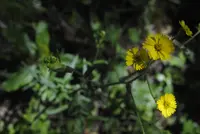
woodland madia
Anisocarpus madioides
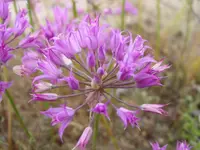
tapertip onion
Allium acuminatum
Burlew's onion
Allium burlewii
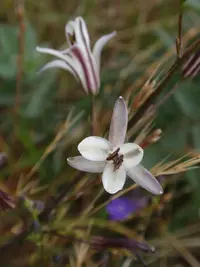
wavyleaf soap plant
Chlorogalum pomeridianum
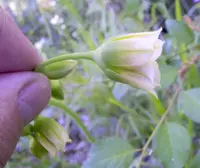
Bulgarian Honey Garlic
Allium siculum subsp. dioscoridis
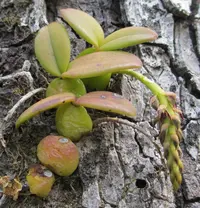
Bulbophyllum elliotii
Bulbophyllum elliotii
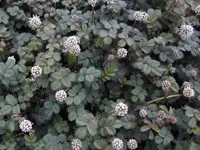
Glaucous Pirri-pirri-bur
Acaena caesiiglauca
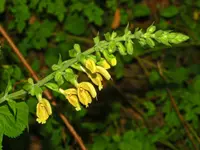
sticky sage
Salvia glutinosa