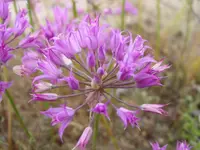
Protect summer dormancy
Mark clump locations with discreet stakes or labels before foliage dies back so the bulbs are not disturbed by digging, mulching, or replanting during summer dormancy.

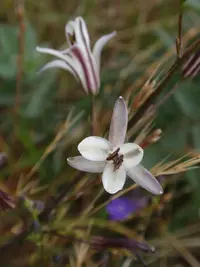
Wavyleaf soap plant, Chlorogalum pomeridianum, is a bulb-forming perennial native to dry, open habitats in California and parts of Oregon. It often grows in grasslands, chaparral, and open woodland edges.
The plant forms a low rosette of wavy, strap-like leaves and sends up tall, slender stalks with many small, starry white flowers that open toward evening. It has a seasonal growth pattern, with foliage appearing in cooler months and dying back in summer.
This species is adapted to poor, well-drained soils and periods of drought, which can make it relatively forgiving once established. Understanding how to care for wavyleaf soap plant mainly involves respecting its summer dormancy and avoiding excess water during that rest period.

Care Difficulty
Moderate Care

Light Preference
Full Sun

Water Requirements
Low Water

Temperature Preference
Cool Climate

Hardiness Zone
7–10

Soil Texture
Sandy, Loamy, Rocky

Soil pH
Slightly acidic (6.5–7.0), Neutral (7.0)

Soil Drainage
Well-drained

Fertilization
Minimal (feed rarely)
Scan your plant to receive care tips personalized for your specific plant
Available on iOS and Android
Chlorogalum pomeridianum prefers bright, open conditions similar to its native dry grasslands and chaparral.
This bulb is adapted to dry-summer climates and needs careful watering to avoid rot.
This species is well adapted to Mediterranean-type climates with mild, wet winters and dry, warm summers.
Humidity is rarely a limiting factor for Chlorogalum pomeridianum in typical home or outdoor conditions.
Chlorogalum pomeridianum prefers lean, well-drained, sandy or rocky soil that mimics its native dry habitats.
This species can be grown in containers if the pot mimics its deep, fast-draining native substrate.
This native bulb is adapted to poor soils and usually needs no fertilizer when grown in the ground.
Chlorogalum pomeridianum needs minimal pruning, mainly for tidiness and plant health.
In cultivation, wavyleaf soap plant is usually managed by careful outdoor transplanting rather than frequent repotting.
Propagation of this bulb is usually done by seed or careful division of mature clumps.
This species is generally cold hardy in much of its native range and needs little winter attention in the ground.

Plant Health Check
Not sure what's wrong with your plant? Check your plant's health inside the app.
The flowers open in late afternoon and close by the following morning, matching the activity of its main pollinators such as nocturnal moths.
Crushed bulb scales lather in water due to natural saponins, which Indigenous peoples of California traditionally used as a gentle soap for washing and sometimes for cleaning fabrics.
The underground bulb survives seasonal drought and wildfire, allowing the plant to resprout after burns in California grasslands and chaparral habitats.

Indigenous communities in California historically used dense plantings of wavyleaf soap plant for fish stunning in streams, taking advantage of the bulb’s saponins to temporarily affect fish gill function and make them easier to catch, a practice that required careful local knowledge and timing.
Lack of flowering usually comes from insufficient maturity, deep shade, or drought at the wrong time. Bulbs often need several years to establish, consistent winter–spring moisture, and exposure to natural seasonal temperature changes to set flowers reliably.
Keep your plants happy and healthy with plant identification, disease detection, and easy care guidance.