

Rock crevice planting
Tuck plants into narrow rock crevices or between pavers with 5–8 cm of gritty substrate, which anchors roots, cools the crown, and reduces heaving in freeze–thaw cycles.

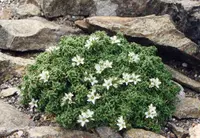
Arenaria aggregata is a small, mat-forming perennial in the carnation family, often used as a groundcover in rock gardens and alpine plantings. It usually forms dense, low cushions of fine, narrow leaves with clusters of small white star-shaped flowers.
This species occurs naturally in dry, open, often rocky habitats in parts of North America, which explains its preference for well-drained soils and relatively lean conditions. It generally prefers full sun to light shade and moderate moisture, making it easier to manage in sites that do not stay wet.
Because it is compact and slow to spread, it suits small spaces and edging. Understanding how to care for Arenaria aggregata mainly involves providing sharp drainage and avoiding heavy, waterlogged soil.

Care Difficulty
Moderate Care

Light Preference
Full Sun

Water Requirements
Low Water

Temperature Preference
Cold Hardy

Hardiness Zone
4–8

Soil Texture
Sandy, Loamy, Rocky

Soil pH
Acidic (5.5–6.5), Slightly acidic (6.5–7.0)

Soil Drainage
Well-drained

Fertilization
Minimal (feed rarely)
Scan your plant to receive care tips personalized for your specific plant
Available on iOS and Android
This alpine perennial prefers bright conditions with some protection from intense heat.
This plant prefers evenly moist but fast-draining soil and dislikes both drought and soggy conditions.
This species is adapted to cool, alpine-type conditions but handles a reasonable range of garden temperatures.
This alpine species tolerates low air moisture and usually does not need special humidity management.
This mat-forming perennial prefers lean, sharply drained, sandy or gravelly soil similar to alpine scree.
This species can be grown in containers, especially troughs or rock-garden pots with rapid drainage.
This drought-adapted perennial needs only light feeding in lean garden soils.
Pruning needs are minimal and focus on cleanliness and maintaining a compact mat.
This species is usually grown in rock gardens or beds, so care focuses on careful outdoor transplanting rather than frequent repotting.
Propagation is commonly done by seed or by gently dividing established clumps.
This is a cold-hardy alpine perennial that usually needs little special winter care in its suitable hardiness zones.

Plant Health Check
Not sure what's wrong with your plant? Check your plant's health inside the app.
Arenaria aggregata is native to western North America, where it grows in open, often dry mountain habitats such as rocky slopes, ridges, and subalpine meadows, typically in well-drained, often gravelly or sandy soils.
This species forms dense, low mounds of slender stems and narrow leaves, creating a cushion-like growth habit that helps it resist mechanical damage from wind and shifting surface debris in exposed alpine and montane environments.
Its small white flowers, produced in loose clusters on branching stems, provide nectar and pollen for a range of small insects, contributing to local pollinator networks in high-elevation and open habitats and supporting those interested in growing Arenaria aggregata for wildlife value.
This species forms low, mounding clumps and spreads slowly outward by short stems and self-seeding. It is generally not aggressive and is usually easy to contain with edging, gravel gaps, or occasional division.
Keep your plants happy and healthy with plant identification, disease detection, and easy care guidance.

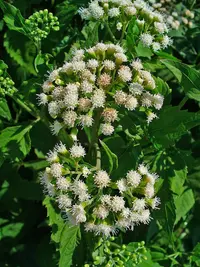
lesser snakeroot
Ageratina aromatica
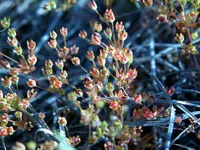
western rockjasmine
Androsace occidentalis
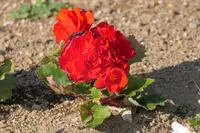
Tuberous Begonia
Begonia × tuberhybrida
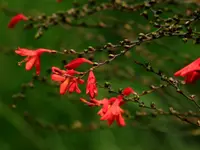
Firecracker plant
Russelia equisetiformis
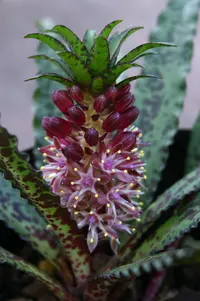
Crinkle-leaf Pineapple Lily
Eucomis vandermerwei
white meadowfoam
Limnanthes alba
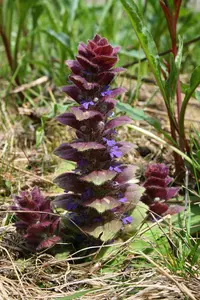
Pyramidal Bugle
Ajuga pyramidalis
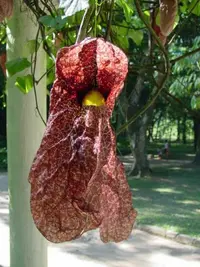
Brazilian Dutchman's Pipe
Aristolochia gigantea