Early vine training
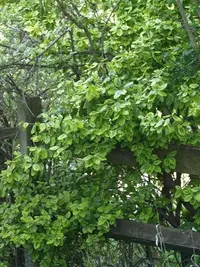
Install a sturdy trellis, wire frame, or fence before active spring growth and loosely tie new shoots every 7–10 days to guide the vine and prevent tangled, wind-damaged stems.

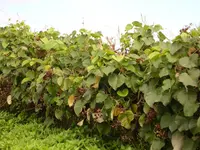
Elephant creeper, Argyreia nervosa, is a vigorous perennial vine in the morning glory family. It climbs by twining stems and can cover supports quickly in warm climates.
The plant has large, heart-shaped leaves with a soft, velvety texture and produces showy funnel-shaped flowers, usually lavender to white with a darker throat. It is native to India and other parts of South and Southeast Asia, where it grows in tropical and subtropical conditions.
In cultivation it is grown mainly as an ornamental foliage and flowering vine, sometimes in large containers or trained on trellises. It prefers bright light, moderate moisture, and well-drained soil, and those conditions make it relatively straightforward to care for elephant creeper for growers with some vining plant experience.

Care Difficulty
Moderate Care

Light Preference
Full Sun

Water Requirements
Moderate Water

Temperature Preference
Tropical / Frost Sensitive

Hardiness Zone
10–12

Soil Texture
Sandy, Loamy, Organic-rich

Soil pH
Acidic (5.5–6.5), Slightly acidic (6.5–7.0)

Soil Drainage
Well-drained

Fertilization
Light (every 4–6 weeks)
Scan your plant to receive care tips personalized for your specific plant
Available on iOS and Android
Argyreia nervosa grows best in bright, warm, non-scorching light conditions.
This vigorous climber prefers consistent moisture with short dry periods between waterings.
This species prefers warm, frost-free conditions to maintain strong vining growth.
This species is comfortable in typical home humidity and rarely needs special humidity management.
Argyreia nervosa prefers sharply drained, moderately fertile soil that stays aerated around the roots.
This vigorous climber is suitable for container growing when the pot supports its deep, strong root system.
Argyreia nervosa benefits from light, thoughtful feeding rather than heavy fertilization.
Pruning Argyreia nervosa helps manage its vigorous vine growth and maintain a healthy framework.
This vigorous vine is often grown in the ground, but container plants and young elephant creeper may need occasional transplanting.
New Argyreia nervosa plants are most often raised from seed under warm, bright conditions.
Argyreia nervosa is frost sensitive and needs protection in regions with cold winters.

Plant Health Check
Not sure what's wrong with your plant? Check your plant's health inside the app.
The seeds contain ergoline alkaloids such as ergine (LSA), which are chemically related to compounds found in some Claviceps (ergot) fungi and contribute to the plant’s psychoactive reputation and regulatory scrutiny in some regions.
Unlike the many annual morning glory species, this plant is a long-lived, woody climber that can develop thick, rope-like stems and persist for many years in suitable tropical and subtropical climates.
Its leaves have a dense covering of fine hairs on the underside, giving them a distinct silvery appearance that helps reduce water loss and sun stress in exposed, warm habitats.

In parts of India and the Pacific, this species has been historically used in traditional rituals and folk practices for its mind-altering properties, contributing to its spread beyond its native range and to ongoing ethnobotanical research into its chemistry and cultural use patterns.
Lack of flowers usually comes from insufficient light, young age, or heavy nitrogen fertilization. Ensure strong sun, avoid frequent pruning of flowering shoots, and use a balanced or slightly phosphorus‑rich fertilizer to support bud formation.
Keep your plants happy and healthy with plant identification, disease detection, and easy care guidance.