Dancing Crane Cobra Lily Care (Arisaema heterophyllum)

Also known as: arisaema, Diversileaf Jack in the Pulpit
Dancing Crane Cobra Lily

About Dancing Crane Cobra Lily

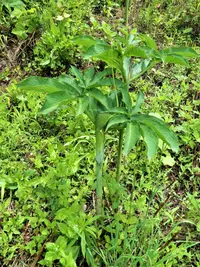
The dancing crane cobra lily, Arisaema heterophyllum, is a tuberous woodland perennial in the arum family. It produces tall, slender stalks with umbrella-like leaves and a distinctive hooded flower spike. The striped spathe and upright spadix give a crane- or cobra-like silhouette, most noticeable in mid to late spring.

This species is native to East Asia, where it grows in light woodland and forest edges with humus-rich, moist but well-drained soil. It goes dormant after the growing season, so the foliage disappears naturally each year. Gardeners who want to care for Dancing Crane Cobra Lily should note that it prefers cool roots, consistent moisture, and protection from harsh, direct sun.

Main Plant Requirements

Care Difficulty

Moderate Care

Light Preference

Partial Shade

Water Requirements

Regular Water

Temperature Preference

Cold Hardy

Hardiness Zone

5–9

Soil Texture

Loamy, Silty, Organic-rich

Soil pH

Acidic (5.5–6.5), Slightly acidic (6.5–7.0)

Soil Drainage

Moist but well-drained

Fertilization

Minimal (feed rarely)

Get Personalized Care Plan

Scan your plant to receive care tips personalized for your specific plant

Available on iOS and Android

How to Care for the Dancing Crane Cobra Lily

This woodland species prefers bright shade that mimics dappled forest light.

  • Provide 2–4 hours of early morning sun with light to medium shade the rest of the day; avoid strong afternoon sun that can scorch foliage.
  • Grow Dancing Crane Cobra Lily in filtered light under shrubs or open trees, using shade cloth in exposed beds to soften midday sun.
  • In summer, protect from prolonged sun during heat waves; in spring and fall, slightly higher light improves vigor without stressing leaves.

This tuberous plant prefers consistently moist but never waterlogged soil during its active season.

  • Water when the top 3–5 cm of soil feel barely moist, not wet; aim for evenly damp soil around the root zone rather than surface-only soaking.
  • Use rich, humus-heavy soil with very sharp drainage; standing water or heavy clay promotes tuber rot and yellowing, limp stems as overwatering signs.
  • During dormancy after foliage dies back, keep soil just lightly moist, reducing water sharply; shriveling tubers or collapsing new shoots indicate underwatering.

This species grows best in cool to mild conditions with a distinct winter rest.

  • Active growth is strongest at 60–75°F (16–24°C); sustained heat above 85°F (29°C) can slow growth and cause leaves to droop or scorch, especially in full sun.
  • Hardy tubers tolerate winter lows down to about 10–15°F (-12 to -9°C) if soil is well drained and mulched to buffer rapid freeze–thaw cycles.
  • In hot climates, provide afternoon shade and mulch to keep roots cool; in colder zones, plant deeper and add 5–10 cm of mulch to protect from severe cold snaps.

This species benefits from moderately moist air but usually adapts to typical home humidity if soil moisture is stable.

  • Aim for 40–60% humidity to support steady foliage growth and reduce leaf-edge drying.
  • Tolerates slightly drier air if the potting mix never fully dries and roots stay evenly moist.
  • Humidity stress shows as crispy leaf tips and marginal browning; group pots or use a pebble tray to raise local humidity.
  • Avoid misting the Dancing Crane Cobra Lily heavily, which can promote fungal spots on leaves in cooler rooms.

Arisaema heterophyllum prefers a loose, humus-rich mix that drains freely yet stays evenly moist around the tuber.

  • Use a mix of roughly 50% fine pine bark or leaf mold, 30% peat or coco coir, and 20% perlite or pumice for structure and drainage.
  • Target slightly acidic to neutral pH around 6.0–7.0, similar to woodland soil where this species naturally occurs.
  • Ensure the mix feels springy and crumbly so air can move through it, preventing stagnant, oxygen-poor pockets around the tuber.
  • Avoid dense clay, unamended garden soil, or heavy peat-only mixes that hold water for long periods and increase rot risk.

This species adapts well to container growing when the pot is chosen to balance consistent moisture with rapid drainage.

  • Select a tall, relatively deep container so the tuber can sit at the correct depth while roots extend vertically into cooler substrate.
  • Choose a heavier ceramic or clay pot if growing outdoors to keep the top-heavy foliage stable in wind and rain.
  • Raise the pot on feet or bricks so drainage holes clear quickly after watering and excess water does not pool under the base.

This woodland tuber benefits from light, targeted feeding rather than heavy fertilization.

  • Use a balanced, slow-release fertilizer (around 10-10-10) or a thin layer of compost at shoot emergence in spring.
  • Feed once at the start of active growth; a second light application in mid-season is enough for growing Dancing Crane Cobra Lily.
  • Apply at 1/2–1/4 label strength to avoid root burn in container-grown plants.
  • Stop feeding as foliage yellows and the plant enters dormancy in late summer or fall.

Arisaema heterophyllum needs only minimal pruning focused on cleanliness and safety.

  • Cut off spent flower spikes at the base once they fade, using clean, sharp scissors or pruners.
  • Remove yellowing or collapsed leaves during or after dormancy to reduce disease-harboring debris.
  • Trim damaged or slug-torn foliage at soil level rather than cutting mid-leaf, which can invite rot.
  • Avoid shaping cuts; allow the natural, architectural form to develop without heavy intervention.

This tuberous aroid is usually grown in the ground, with transplanting done only when necessary.

  • Transplant or divide clumps in late fall or very early spring, when the plant is fully dormant and leafless.
  • Look for crowded clumps, slow vigor, or offset tubers pushing upward as signs that lifting and resetting are needed.
  • Lift carefully with a fork, keeping tubers and attached roots intact, and replant them 8–12 cm deep in well-drained soil.
  • Water lightly after transplanting, then keep evenly moist during spring growth to reduce stress and help roots reestablish.

This species is commonly propagated by division of tubers and, more slowly, from seed.

  • Divide offsets in late fall or early spring when the plant is dormant, separating small tubers from the main one.
  • Replant divisions in humus-rich, well-drained soil, keeping the growing point 8–12 cm below the surface.
  • Sow fresh seed in pots or trays outdoors, allowing natural cold stratification over winter for improved germination.
  • Maintain evenly moist, cool soil and light shade for young seedlings, which may take several years to reach flowering size.

This woodland plant is generally hardy in temperate climates but benefits from simple winter protection of its underground tubers.

  • In USDA zones roughly 5–8, dormant tubers tolerate normal winter frosts when planted at proper depth in draining soil.
  • Apply a 5–8 cm layer of leaf mold or bark mulch in late fall to insulate the root zone and moderate freeze–thaw cycles.
  • For containers, move pots into an unheated garage, cold frame, or sheltered porch to avoid deep freezing and waterlogging.
  • Keep soil barely moist during dormancy, avoiding both complete dryness and standing water around the tubers.

Care Tips

Mark Dormant Spots

After foliage dies back, insert discreet labels or stones where tubers sit so you avoid damaging them during winter bed work or early spring digging.

Staggered Planting Depths

When planting several tubers together, set a few 2–3 cm shallower and a few deeper so emergence is naturally staggered, reducing late frost risk to all shoots at once.

Gentle Stem Support

In windy or exposed sites, place a low hoop or single slender stake behind the stem and tie loosely with soft garden tape to prevent kinking without constricting growth.

Leaf Litter Mulch

Use a light layer of shredded leaf litter as seasonal mulch to mimic woodland conditions, buffering soil temperature and preserving the fine feeder roots near the surface.

Check Offshoot Crowns

Every 3–4 years lift clumps while dormant and inspect for crowded offsets, then divide and replant only the firm, healthy tubers to maintain vigor when growing Dancing Crane Cobra Lily.

Common Pests and Diseases

Slugs and snails

This pest feeds on the fleshy leaf stalks and young emerging shoots, often leaving irregular holes and ragged edges, especially in damp, shaded sites where Arisaema is usually grown. Symptoms include shredded foliage and slime trails on soil or pots.

Solution

Hand-pick slugs and snails in the evening, use iron phosphate bait around but not touching the clumps, and keep dense ground litter slightly thinned so hiding spots are reduced while still maintaining shade. Copper tape around pots and sharp, dry mulches such as coarse grit around crowns can further limit damage to emerging shoots.

Red spider mites

These insects are a risk in warm, dry indoor or greenhouse conditions and can cause stippled, dull leaves and fine webbing on the undersides. This pest sucks plant sap, which can weaken the plant and shorten the life of the foliage.

Solution

Increase humidity around plants, regularly hose or shower the foliage, and wipe the undersides of leaves with a damp cloth to remove mites. If infestations persist, apply a horticultural soap or neem oil spray, ensuring thorough coverage of leaf undersides and repeating every 7–10 days as needed.

Leaf spot

This disease causes brown to dark purple spots on the leaf surface, sometimes with a yellow halo, and may coalesce into larger dead patches under warm, humid conditions. Symptoms include premature yellowing and collapse of affected leaflets later in the season.

Solution

Remove and discard spotted leaves as soon as they appear and clear away all dead foliage in fall to reduce overwintering spores. Improve airflow around clumps, avoid wetting the leaves when watering, and use a copper-based or broad-spectrum fungicide if spotting progresses rapidly despite cultural corrections.

Corm and crown rot

This disease can occur in waterlogged or poorly drained sites, leading to soft, discolored corm tissue, stunted shoots, and sudden collapse of foliage in early growth. Symptoms include a foul smell from the corm and failure of new shoots to develop properly.

Solution

Lift and inspect suspect corms, discarding any soft or foul-smelling material and replanting only firm, healthy sections in sharply drained, humus-rich soil. In heavy or wet soils, grow Arisaema in raised beds or pots with ample drainage, and avoid overwatering during dormancy to prevent future infections.

Interesting Facts

Unusual leaf architecture

This species produces a distinctive three-part leaf where the central leaflet is often much longer and narrower than the lateral ones, giving the plant a finely feathered, almost bamboo-like appearance compared with other cobra lilies.

Crane-like inflorescence

The slender, elongated spadix extends well beyond the striped, hooded spathe and often bends outward, which has been compared to the neck and head of a crane and is the origin of the common name dancing crane cobra lily.

Seasonal disappearance

The plant grows from an underground tuber and completely dies back above ground after flowering and seed set, remaining dormant and invisible at the soil surface until the following growing season.

Botan icon

Did you know?

Molecular and morphological studies place this species within a primarily East Asian lineage of Arisaema that has diversified in temperate forest habitats, making it a useful taxon for studying biogeography and evolution of the aroid family in eastern Asia.

FAQs about Dancing Crane Cobra Lily

Lack of blooms usually comes from insufficient plant maturity, inadequate winter chill, or low energy reserves in the tuber. Crowding, recent division, or deep planting can also delay flowering, even when foliage appears healthy.

Grow Healthy Plants with Botan Care

Keep your plants happy and healthy with plant identification, disease detection, and easy care guidance.

Botan plant care app — identify plants on mobile

Explore More Plants