Armeria beirana Care

Armeria beirana

About Armeria beirana

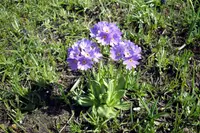
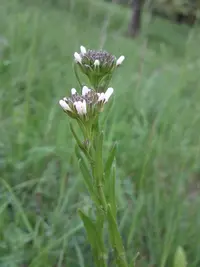
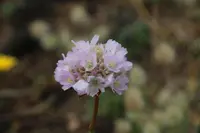
Armeria beirana is a compact, clump-forming perennial in the Plumbaginaceae family, related to sea thrift. It forms low cushions of narrow, grass-like leaves with slender stems topped by rounded flower heads.

This species is native to specific Atlantic coastal areas of the Iberian Peninsula, where it grows in rocky, well-drained, often salty habitats. Its natural tolerance of wind, salt, and poor soils makes it potentially resilient in suitable garden or container conditions.

Because it comes from exposed coastal sites, it generally prefers full sun, sharp drainage, and modest moisture. Understanding this background helps inform how to care for Armeria beirana in cultivation.

Main Plant Requirements

Care Difficulty

Moderate Care

Light Preference

Full Sun

Water Requirements

Low Water

Temperature Preference

Cool Climate

Hardiness Zone

6–8

Soil Texture

Sandy, Loamy, Rocky

Soil pH

Acidic (5.5–6.5), Slightly acidic (6.5–7.0)

Soil Drainage

Well-drained

Fertilization

Minimal (feed rarely)

Get Personalized Care Plan

Scan your plant to receive care tips personalized for your specific plant

Available on iOS and Android

How to Care for the Armeria beirana

This compact perennial thrives in open, bright positions with plenty of direct sun.

  • Provide 6–8 hours of direct sun daily; full sun is best, especially in cool or coastal climates, to keep growth dense and flowering strong.
  • Accepts light afternoon shade in hotter regions, but too much shade causes weak stems, fewer blooms, and gaps in the cushion-like clump of Armeria beirana.
  • In late winter and early spring, trim back overhanging plants or debris that cast shade so emerging foliage receives strong light and dries quickly after rain.

Watering should support a dry-leaning, sharply drained root zone for this coastal-type perennial.

  • Allow the top 3–5 cm of soil to dry between waterings; soil should feel dry and gritty rather than cool and sticky before adding water.
  • During spring and summer, water more often only after hot, windy spells; in fall and winter, reduce watering sharply, especially in heavy or clay soils.
  • Watch for yellowing, mushy crowns as a sign of overwatering and poor drainage, while crisp, browning leaf tips and wilting in cool soil suggest underwatering.

This hardy species tolerates a wide temperature range but grows best in cool to mild conditions.

  • Optimal growth occurs around 55–70°F (13–21°C), where foliage stays compact and flowering is most consistent through spring and early summer.
  • Mature plants usually survive down to about 0°F (−18°C) with good drainage; prolonged freeze in waterlogged soil greatly increases crown losses.
  • In summer, plants handle brief heat up to about 90°F (32°C) if soil is not saturated; mulch lightly in hotter regions to limit root temperature swings without trapping excess moisture.

This coastal perennial tolerates a wide humidity range but prefers moderately dry air.

  • Aim for 30–50% humidity; avoid persistently damp, stagnant air around foliage.
  • Dry indoor air is usually tolerated if soil moisture is stable and roots are not waterlogged.
  • Watch for browning leaf tips or limp foliage as signs of excess humidity and improve air movement instead of misting.

Armeria beirana requires lean, fast-draining soil to prevent root rot and maintain compact growth.

  • Use sandy or gritty loam with low to moderate organic matter, mimicking rocky coastal soils.
  • Mix roughly 50–70% coarse sand or grit with 30–50% loam-based compost to keep structure open.
  • Target a slightly acidic to neutral pH of 6.0–7.0, avoiding strongly alkaline, lime-rich substrates.
  • Avoid heavy clay, peat-heavy, or compacted mixes; incorporate horticultural grit or perlite to improve drainage and aeration.

This species is well suited to container growing in exposed, sunny spots.

  • Choose a wide, shallow pot to match the fibrous, surface-leaning root system and prevent water pooling at depth.
  • Prefer unglazed terracotta, which allows moisture to evaporate faster and reduces the risk of persistent wetness.
  • Raise the container on pot feet or bricks so drainage holes stay clear and runoff moves away quickly after watering.

This species is adapted to lean soils, so Armeria beirana needs only light, targeted feeding in cultivation.

  • Use a low-dose balanced fertilizer (for example 10-10-10) at half strength or a thin layer of compost in spring.
  • Feed once at the start of active growth, then again mid-season only if foliage pales or flowering weakens.
  • Avoid rich, frequent fertilization, which encourages weak, floppy growth and reduces flower production.
  • Do not feed in late fall or winter, when the plant is dormant or semi-dormant.

Pruning Armeria beirana is mainly about deadheading and light cleanup to maintain a compact mound and steady flowering.

  • Shear off spent flower stems in late spring and summer using clean scissors or hand shears to encourage repeat bloom.
  • Remove dead, damaged, or diseased leaves whenever noticed to reduce fungal problems and improve air flow.
  • In early spring, lightly trim back any winter-burned foliage to tidy the cushion without cutting into the crown.
  • Avoid hard cutting into old woody centers, since this can weaken established clumps and slow recovery.

This species is usually grown in the ground, so care focuses on transplanting Armeria beirana rather than frequent repotting.

  • Transplant in early spring or early fall, when temperatures are mild and soil moisture is even.
  • Look for signs such as tight root balls, roots circling the pot, or stalled growth in containers before moving up a size.
  • Use a sharply drained, gritty mix or sandy garden bed and replant at the same depth to prevent crown rot.
  • Reduce root stress by watering thoroughly before and after transplanting and by shading lightly for 2–3 days in hot conditions.

Armeria beirana is commonly propagated by division and seeds to maintain or expand plantings.

  • Divide mature clumps in early spring or early fall, lifting the plant and gently teasing apart healthy side rosettes.
  • Replant divisions into well-drained, sandy soil, keeping crowns level with the surface and watering to settle soil.
  • Sow seeds on the surface of a gritty mix, barely covering, and keep at 60–68°F with steady, light moisture.
  • Provide bright light and good air circulation for both divisions and seedlings to reduce damping-off and promote compact growth.

This species is generally cold hardy, requiring only light winter care in most temperate climates.

  • Armeria beirana usually tolerates typical garden frosts when planted in sharply drained soil.
  • Apply a thin, loose mulch of gravel or coarse bark around but not over the crown to limit freeze–thaw stress.
  • Keep containers slightly drier in winter and move pots to a sheltered, unheated area in regions with severe freezes.

Care Tips

Improve Winter Drainage

In colder climates, plant on a slight mound or use a raised rock garden so winter moisture drains away from the crown and roots, which greatly reduces rot losses in heavy or compacted soils.

Shear After Bloom

Right after the main flowering flush, shear off spent flower stalks and the top 2–3 cm of foliage to encourage a denser cushion and a lighter second bloom later in the season.

Divide Aging Clumps

Every 3–4 years, lift and divide congested clumps in early spring, replanting only the firm outer sections to maintain vigor and prevent dieback in the center of the plant.

Use Mineral Mulch

Instead of organic mulch, top-dress around the plant with a thin layer of gravel or coarse grit to keep the crown dry, stabilize soil temperature, and reduce soil splash on foliage.

Monitor Salt Exposure

In coastal or roadside plantings, periodically hose off foliage after storms or winter de-icing to remove excess salt, which helps reduce leaf burn and supports long-term success when growing Armeria beirana.

Common Pests and Diseases

Leaf spot

This disease causes small brown or purplish spots on the narrow leaves, which can merge into larger blotches in humid or poorly ventilated conditions.

Solution

Remove and discard affected leaves, avoid overhead watering, and space plants to improve air movement; if spread continues, apply a targeted ornamental fungicide labeled for foliar leaf spots to the foliage following label directions.

Crown rot

This disease leads to yellowing, collapse of the foliage, and browning at the base of the rosette, especially in heavy, wet soils or where water collects around the crown.

Solution

Dig out and discard affected plants, improve drainage by amending soil with grit or sand, and keep the crown slightly raised so water does not sit at the base; avoid frequent watering and use drip or soaker hoses to keep foliage dry when growing Armeria beirana.

Aphids

These insects cluster on young stems and flower stalks, sucking sap and causing distortion, sticky honeydew, and sometimes sooty mold on the foliage.

Solution

Spray plants with a firm stream of water to dislodge colonies, then treat remaining insects with insecticidal soap or a light horticultural oil, repeating every 5–7 days until populations drop; encourage natural predators like lady beetles by avoiding broad-spectrum insecticides nearby.

Spider mites

These pests thrive in hot, dry spots and cause fine speckling, dulling of the leaves, and sometimes very fine webbing between the narrow leaf blades.

Solution

Increase humidity around plants slightly by occasional misting of the surrounding air (not saturating the crown), rinse foliage with water to remove mites, and apply insecticidal soap or a miticide labeled for ornamental plants if damage continues, ensuring good coverage of leaf undersides.

Interesting Facts

Endemic Iberian taxon

This species is native to a restricted area of the Iberian Peninsula, occurring only in specific regions of Portugal and nearby Spain, rather than being widespread like several other Armeria species.

Habitat specialization

It is associated with open, often coastal-influenced habitats on rocky or poor, well-drained soils, reflecting adaptation to relatively harsh, nutrient-poor conditions.

Taxonomic clarification

Armeria beirana has a complex taxonomic history within the Armeria genus, with its status clarified through detailed morphological study of characters such as leaf shape and inflorescence structure, which separate it from closely related Iberian taxa.

FAQs about Armeria beirana

This species usually flowers from late spring into early summer, often with a main flush followed by lighter repeat blooms. Cooler climates may extend flowering, while heat or prolonged drought can shorten the display.

Grow Healthy Plants with Botan Care

Keep your plants happy and healthy with plant identification, disease detection, and easy care guidance.

Botan plant care app — identify plants on mobile

Explore More Plants