prairie sunflower Care (Helianthus petiolaris)

Also known as: lesser sunflower
prairie sunflower

About prairie sunflower

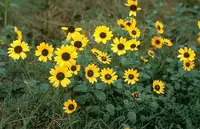
Prairie sunflower, Helianthus petiolaris, is an annual wildflower in the sunflower family, valued for its drought tolerance and bright yellow blooms. It usually forms upright, branching stems with narrow leaves and many daisy-like flower heads that attract bees, butterflies, and birds.

This species is native to dry prairies and sandy areas of central and western North America, where it thrives in full sun and lean, well-drained soils. Its toughness and low water demand make it relatively easy to grow, though it prefers open, sunny sites and does not like heavy, waterlogged ground. Understanding how to care for prairie sunflower starts with providing strong light and avoiding overly rich or wet soil.

Main Plant Requirements

Care Difficulty

Easy Care

Light Preference

Full Sun

Water Requirements

Low Water

Temperature Preference

Warm Climate

Hardiness Zone

4–9

Soil Texture

Sandy, Loamy, Rocky

Soil pH

Slightly acidic (6.5–7.0), Neutral (7.0)

Soil Drainage

Well-drained

Fertilization

Minimal (feed rarely)

Get Personalized Care Plan

Scan your plant to receive care tips personalized for your specific plant

Available on iOS and Android

How to Care for the prairie sunflower

This annual thrives in open, bright sites with long, direct sun exposure.

  • Provide 6–10 hours of direct sun daily; full sun promotes sturdy stems and abundant blooms in prairie sunflower stands.
  • It tolerates light afternoon shade in very hot regions, but flowering and height may decrease if direct sun drops below about 5 hours.
  • Avoid dense shade, which causes lanky, weak growth and sparse flowers; in shorter-day seasons, prioritize an unshaded south- or west-facing position.

This species prefers dry to moderately moist soil and dislikes prolonged saturation.

  • Before watering, let the top 3–5 cm of soil dry; in the ground, rely mainly on natural rainfall, adding water only after several dry, hot days.
  • Ensure sharply draining soil or raised beds so water does not pool around roots, which increases root-rot risk in Helianthus petiolaris.
  • Signs of underwatering include dull, drooping leaves that recover after deep watering; persistent yellowing and soft stems often indicate chronic overwatering.

This warm-season annual grows best in stable, moderately hot conditions.

  • Optimal growth occurs around 70–90°F (21–32°C), with vigorous flowering during consistently warm, sunny weather.
  • Mature plants tolerate brief spikes to 95–100°F (35–38°C) if soil is not waterlogged, but prolonged extreme heat can shorten bloom duration.
  • Frost is damaging; seedlings are safest once nights stay above 40–45°F (4–7°C), and seeds are usually sown outdoors after the last expected frost.

Humidity is rarely critical for Helianthus petiolaris, which is adapted to dry, open habitats.

  • Target 30–50% humidity, similar to most heated or air‑conditioned homes, without special equipment.
  • This species tolerates dry air well; persistent leaf edge browning usually indicates underwatering or root issues rather than low humidity.
  • If air is extremely dry and hot, group pots together and keep soil slightly moist to limit stress and wilting.

Helianthus petiolaris prefers light, fast-draining soil that mimics sandy or gravelly prairie conditions.

  • Use a sandy or loamy mix such as 50–60% all-purpose potting mix with 40–50% coarse sand or fine grit to increase drainage.
  • Keep soil structure open and airy; avoid compaction by minimizing heavy top dressings and avoiding frequent firming of the surface.
  • Aim for slightly acidic to neutral pH around 6.0–7.0, as strongly acidic or very alkaline substrates can reduce nutrient uptake.
  • Avoid heavy clay, waterlogged beds, or mixes rich in undecomposed organic matter, which promote root rot in Helianthus petiolaris.

This species can be grown in containers if the pot and setup account for its tall, top-heavy growth.

  • Choose a deep, wide container so roots anchor firmly and the tall stems are less likely to rock or topple in wind.
  • Use a heavier pot material such as ceramic or thick terracotta outdoors to add stability against the plant’s upright, branching habit.
  • Ensure large, unobstructed drainage holes and elevate the pot slightly so excess water escapes quickly after heavy rain or irrigation.

This native annual prairie sunflower usually needs little added fertilizer in average garden soil.

  • In poor or sandy soils, mix in compost before sowing to improve nutrient and water retention.
  • During active growth, feed every 4–6 weeks with a balanced slow-release or liquid NPK fertilizer at 1/2 strength.
  • Avoid high-nitrogen products, which push foliage at the expense of flowering.
  • Stop feeding in late summer so plants can complete their life cycle naturally without soft, weak growth.

Pruning Helianthus petiolaris focuses on deadheading and cleanup rather than shaping.

  • In mid to late summer, use clean hand pruners to remove spent flower heads to extend blooming and reduce self-seeding.
  • Cut back damaged, diseased, or badly leaning stems at the base to maintain airflow and reduce fungal issues.
  • Lightly thin overcrowded stems to allow more light into the clump and support sturdier growth.
  • At season’s end, shear or cut down dried stems, leaving some seed heads if wildlife food is desired.

This annual sunflower is more often transplanted in the garden than kept long term in containers.

  • Start seeds in small pots or cell trays, then transplant outdoors after frost once seedlings have 2–3 true leaves.
  • Move plants before roots circle the container; rootbound seedlings show slowed growth and dry out very fast.
  • Transplant on a cool, overcast day, disturbing roots as little as possible and planting at the same depth.
  • Water thoroughly after planting and keep soil evenly moist for 7–10 days to reduce transplant shock.

Propagation of Helianthus petiolaris is most reliable from seed.

  • Sow seeds in early to mid spring after frost risk outdoors, or 3–4 weeks earlier indoors under bright light.
  • Use a well-drained seed mix; keep it slightly moist at 65–75°F for quick germination.
  • Cover seeds lightly with 0.3–0.6 cm of mix, since they need some darkness to sprout well.
  • Thin or transplant seedlings to sunny, open positions with good airflow to support sturdy stems.

As a warm-season annual, this sunflower does not need complex winter care in most climates and usually dies back after frost.

  • After hard frost, cut and remove spent plants if self-seeding is not desired, or leave some seed heads for birds.
  • In colder regions, allow a light mulch over the soil to protect dormant seeds and soil life.
  • Container-grown plants can be discarded after seed collection, then fresh plants grown the following season.

Care Tips

Sturdy wind support

In open or windy sites, insert low, unobtrusive stakes on the windward side of young plants and secure stems loosely with soft ties to reduce lodging and stem breakage as they elongate.

Staggered sowing schedule

Sow seeds in 2–3 waves spaced 2 weeks apart in spring to extend the blooming window and ensure fresh flowers for a longer period in the bed or cutting garden.

Deadhead for rebloom

Shear or clip off spent flower heads before seeds fully harden to encourage additional side branching and a longer display, leaving a few final seed heads at season’s end only if wildlife feeding is desired.

Targeted seed saving

To save seed with good vigor, bag a few healthy flower heads with fine mesh as petals fade, then cut and dry them under cover so that rain, birds, and insects do not reduce seed quality for the next season.

Prevent self-seeding spread

If naturalizing is not wanted, collect or cut back seed heads promptly after petals drop and lightly cultivate the soil surface in late fall or early spring to disturb any unwanted volunteers that sprout while growing prairie sunflower in mixed borders.

Common Pests and Diseases

Sunflower moth

This pest lays eggs on flower heads, and the caterpillars tunnel into the developing seeds, leaving frass and brown, damaged florets. Symptoms include distorted seed heads and increased susceptibility to mold on the flower disk.

Solution

Remove and destroy heavily infested flower heads before larvae complete development, and avoid leaving crop residues that harbor pupae. Use fine mesh row covers before flowering in small plantings, encourage predators such as birds and parasitic wasps, and, if pressure is high, apply a Bacillus thuringiensis (Bt) product to young flower heads in the evening when larvae are small and exposed.

Sunflower beetle

These insects feed on leaves as adults and larvae, creating shot holes and ragged foliage, especially on seedlings and young plants. Severe feeding can slow growth and reduce flowering.

Solution

Hand-pick adults and larvae in small plantings and drop them into soapy water, especially in the cool morning when they move slowly. Keep nearby weedy sunflowers in check, encourage ground beetles and other predators, and consider using a horticultural oil or insecticidal soap on young plants if defoliation exceeds roughly 25–30% of leaf area.

Rust

This disease causes small yellow spots on upper leaf surfaces and orange-brown pustules on the undersides, which release powdery spores. Infected leaves may yellow, dry, and drop early, especially in warm, humid conditions.

Solution

Remove and destroy infected leaves promptly and avoid overhead watering to keep foliage dry. Space plants to improve airflow, rotate plantings away from previous sunflower sites for at least 2–3 years, and if rust recurs severely, choose more resistant seed lines and use a labeled copper or sulfur fungicide at the first sign of spots as part of Helianthus petiolaris care instructions.

Downy mildew

This disease produces pale or yellow angular spots on upper leaf surfaces and a gray-white downy growth beneath, often stunting young plants. Infected seedlings can become distorted, with thickened leaves and poor vigor.

Solution

Start with disease-free seed, avoid overly cool, wet soils, and ensure good drainage. Remove and discard badly affected plants, improve spacing and airflow, and use a phosphonate or copper-based fungicide preventively if the garden has a history of downy mildew on sunflowers.

Verticillium wilt

This disease leads to one-sided yellowing and wilting of leaves, often starting on lower foliage, with brown discoloration in stem vascular tissue. Symptoms include gradual decline of individual plants despite adequate water.

Solution

Pull and dispose of affected plants, including as much root as possible, and do not compost diseased material. Rotate away from susceptible hosts such as tomatoes, potatoes, and other sunflowers for at least 3–4 years, improve soil organic matter and drainage, and avoid replanting prairie sunflower in heavily infested spots.

Interesting Facts

Native sand specialist

This species is naturally adapted to sandy, drought-prone soils of central and western North America, where its deep root system helps stabilize loose substrates and tolerate low water availability.

Prolific seed producer

Individual plants can produce many small seeds that are highly attractive to finches and other seed-eating birds, which contributes to both local wildlife support and the plant’s effective spread in open habitats.

Annual life strategy

Unlike many larger sunflowers, this species completes its life cycle in a single growing season, investing heavily in flowering and seed set rather than long-term vegetative growth.

Botan icon

Did you know?

Prairie sunflower populations often form early-successional stands in disturbed or recently opened habitats, where their rapid establishment and flowering help pave the way for slower-growing perennial species in plant community recovery.

FAQs about prairie sunflower

Lack of blooms usually comes from too much shade, excess nitrogen fertilizer, or plants that are still immature. Ensure full sun, lean soil, and avoid heavy feeding. Crowding and drought at bud stage can also reduce flowering.

Grow Healthy Plants with Botan Care

Keep your plants happy and healthy with plant identification, disease detection, and easy care guidance.

Botan plant care app — identify plants on mobile

Explore More Plants