Prevent Rhizome Spread
Install a 15–20 cm deep root barrier or plant into a bottomless container sunk into the ground to keep rhizomes from slowly spreading into neighboring planting areas.

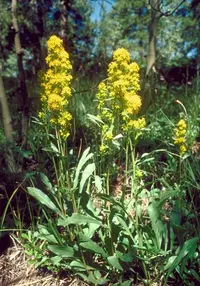
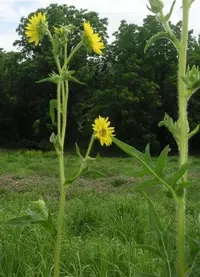
Rocky Mountain goldenrod, Solidago multiradiata, is a compact, long-lived perennial native to high-elevation meadows and open slopes in western North America. It typically forms low clumps of narrow leaves topped with clusters of small, bright yellow flower heads in late summer.
This species thrives in full sun and is adapted to cold, windy conditions and relatively poor, well-drained soils. Its toughness and drought tolerance make it easier to grow in many gardens, as long as soil does not stay waterlogged.
Gardeners who want to care for Rocky Mountain goldenrod should focus on providing strong light, avoiding heavy, soggy ground, and allowing enough space for its clumping habit to expand slowly over time.

Care Difficulty
Easy Care

Light Preference
Full Sun

Water Requirements
Low Water

Temperature Preference
Cold Hardy

Hardiness Zone
2–8

Soil Texture
Sandy, Loamy, Rocky

Soil pH
Acidic (5.5–6.5), Slightly acidic (6.5–7.0)

Soil Drainage
Well-drained

Fertilization
Minimal (feed rarely)
Scan your plant to receive care tips personalized for your specific plant
Available on iOS and Android
This high-elevation perennial thrives in open, bright sites with strong sun exposure.
This species is naturally drought-tolerant and prefers to dry slightly between waterings once established.
This cold-hardy perennial is adapted to cool summers and long, cold winters.
This species tolerates a wide humidity range and usually does not need special humidity management outdoors.
Solidago multiradiata grows best in lean, well-drained mineral soils that never stay waterlogged.
This species can be grown in containers if drainage is excellent and the pot is large enough for its clumping root system.
This alpine native needs minimal feeding, so focus on modest nutrition rather than rich soil.
Pruning helps maintain tidy growth and strong flowering in Solidago multiradiata.
This species is usually grown in the ground, so care focuses on division and transplanting outdoor clumps.
Solidago multiradiata is commonly propagated by division and seeds for garden and restoration use.
This species is cold hardy and often survives winter without special care in most temperate regions.

Plant Health Check
Not sure what's wrong with your plant? Check your plant's health inside the app.
This species is native to subalpine and alpine habitats in the Rocky Mountains and northern North America, often growing above treeline where few other flowering perennials can survive long, cold winters and short growing seasons.
It flowers relatively late in cold mountain environments, providing an important nectar and pollen source for bees, flies, and other insects when many earlier alpine flowers have already finished blooming.
Its spreading rhizomes (underground stems) form dense clumps that help bind thin, rocky soils, which can reduce erosion on exposed mountain slopes and disturbed high-elevation sites.

This species has a notably disjunct distribution, occurring both in high mountains of the western United States and Canada and across arctic and subarctic regions, reflecting its strong adaptation to cold, open, and wind-exposed environments.
This species spreads by short rhizomes and self-seeding but is not usually aggressive in well-managed gardens. It forms clumps that slowly enlarge. Deadheading, dividing every few years, and removing unwanted seedlings keep it in check.
Keep your plants happy and healthy with plant identification, disease detection, and easy care guidance.