

Improve drainage mound
Plant on a low mound or raised edge in heavy soil to keep the crown slightly elevated, which greatly reduces crown rot and winter losses when growing Sea thrift.

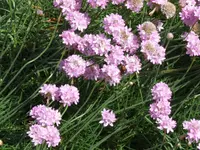
Sea thrift (Armeria pseudarmeria) is a compact, evergreen perennial often used as an edging or rock garden plant. It forms neat grassy clumps topped with round flower heads on slender stems. Flowers are usually pink, white, or red and appear in dense clusters, giving the plant a tidy, cushion-like look. In nature it is found in coastal areas and rocky slopes, where it tolerates wind, salt, and poor, shallow soils. These adaptations make it generally easy to grow in sunny, well-drained spots. For gardeners learning how to care for Sea thrift, its main needs are good light and soil that does not stay wet for long periods.

Care Difficulty
Easy Care

Light Preference
Full Sun

Water Requirements
Low Water

Temperature Preference
Cold Hardy

Hardiness Zone
5–8

Soil Texture
Sandy, Loamy, Rocky

Soil pH
Acidic (5.5–6.5), Slightly acidic (6.5–7.0)

Soil Drainage
Well-drained

Fertilization
Minimal (feed rarely)
Scan your plant to receive care tips personalized for your specific plant
Available on iOS and Android
Armeria pseudarmeria thrives in bright, open positions with plenty of direct sun.
This coastal species prefers drier conditions and is sensitive to excess moisture around the roots.
This hardy perennial tolerates a wide temperature range but performs best in moderate conditions.
This species prefers relatively dry air and is not demanding about humidity.
This plant needs lean, very free-draining soil to avoid root and crown rot.
This species is well suited to container growing, especially in bright, exposed positions.
Armeria pseudarmeria is light-feeding and grows best in lean, well-drained soil with modest nutrition.
Pruning Armeria pseudarmeria is mainly done to keep the cushion compact and encourage repeat flowering.
Armeria pseudarmeria is usually grown in the ground; transplanting is infrequent and should be done with care to avoid root disturbance.
Armeria pseudarmeria is commonly propagated by division, with seeds and cuttings as additional options for increasing stock.
This species is generally cold hardy in much of the US and needs only modest winter care in well-drained sites.

Plant Health Check
Not sure what's wrong with your plant? Check your plant's health inside the app.
This species is considered of hybrid origin within the sea thrift group, likely involving crosses between closely related Armeria species, which helps explain its wide range of flower colors and robust garden performance compared to many wild thifts.
It forms tight, evergreen leaf rosettes that create cushion-like clumps, an adaptation that reduces water loss and protects the crown from wind and temperature swings in exposed coastal or rock-garden conditions.
Unlike many wild thrift species that bloom mainly in late spring, this plant has been selected to flower over an extended period, often producing successive flushes of flower stalks that keep it showy for much of the growing season in garden settings.

Some modern cultivars of this species have been bred specifically for reliable performance in small containers, making Sea thrift indoor care experiments more successful under bright, cool conditions than with many other rock-garden perennials.
Poor flowering usually comes from too much shade, overly rich soil, or old, congested clumps. Ensure strong light, avoid heavy fertilizing, and deadhead spent blooms. Dividing mature clumps every 3–4 years often restores flower production.
Keep your plants happy and healthy with plant identification, disease detection, and easy care guidance.

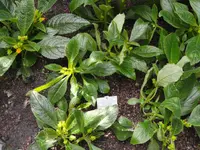
Chrysothemis friedrichsthaliana
Chrysothemis friedrichsthaliana
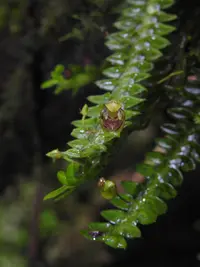
Dichaea neglecta
Dichaea neglecta

sea-holly
Eryngium maritimum
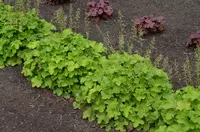
Coral Bells
Heuchera villosa 'Citronelle'
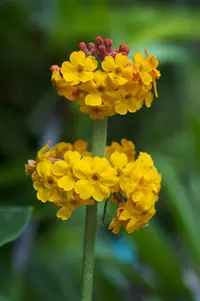
Bulley's Primrose
Primula bulleyana
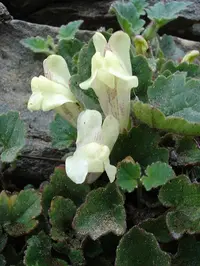
Trailing Snapdragon
Asarina procumbens
British Columbia wildginger
Asarum caudatum
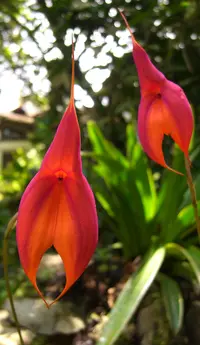
Veitch's Masdevallia
Masdevallia veitchiana