yellowdicks Care (Helenium amarum)

Also known as: Bitterweed
yellowdicks

About yellowdicks

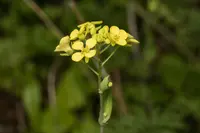
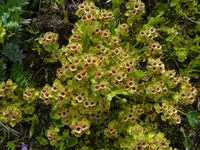
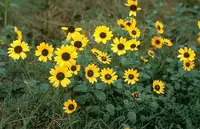
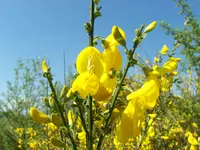
Yellowdicks (Helenium amarum) is a small, finely textured annual wildflower native to prairies and open fields in the central and southern United States. It forms airy clumps with many slender stems topped by small yellow, button-like flowers. The foliage is narrow and threadlike, giving the plant a light, feathery look. It often appears in disturbed or sandy sites, showing good tolerance to heat, drought, and poor soils. These traits make it relatively easy to grow in low-maintenance, naturalistic plantings. For gardeners learning how to care for yellowdicks, it generally prefers full sun, well-drained soil, and moderate to low moisture.

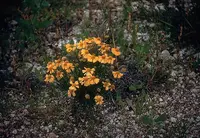
Main Plant Requirements

Care Difficulty

Easy Care

Light Preference

Full Sun

Water Requirements

Low Water

Temperature Preference

Warm Climate

Hardiness Zone

5–9

Soil Texture

Sandy, Loamy, Rocky

Soil pH

Slightly acidic (6.5–7.0), Neutral (7.0)

Soil Drainage

Well-drained

Fertilization

Minimal (feed rarely)

Get Personalized Care Plan

Scan your plant to receive care tips personalized for your specific plant

Available on iOS and Android

How to Care for the yellowdicks

Helenium amarum thrives in open, bright conditions for sturdy, floriferous growth.

  • Provide full sun for 6–8 hours daily; yellowdicks flower best with unobstructed exposure.
  • Plant in a site with morning to midafternoon sun; brief light afternoon shade is acceptable in very hot regions.
  • Avoid deep or prolonged shade, which leads to lanky stems and fewer blooms; in cloudy seasons, choose the sunniest, south- or west-facing position available.

Helenium amarum prefers dry to moderately moist soil and is adapted to lean, well-drained sites.

  • Allow the top 5–7 cm of soil to dry before watering; in the ground, this often means waiting until soil feels dry and slightly crumbly.
  • Increase watering slightly during establishment and prolonged drought, but reduce in cool seasons to avoid persistently wet conditions.
  • Watch for yellowing, soft stems as a sign of overwatering and crisp, drooping foliage as a sign the plant has been dry for too long; improve drainage if puddling occurs.

This species is heat-tolerant but needs protection from hard, prolonged frost to perform well.

  • Active growth is strongest around 70–90°F (21–32°C), typical of late spring through summer in many regions.
  • Mature plants can tolerate brief drops near 20°F (-6°C), but repeated freezes below this can damage crowns and reduce flowering the following season.
  • In very hot spells above 95°F (35°C), ensure soil does not bake completely dry; light afternoon shade and mulch help buffer extreme heat around the root zone.

Humidity is not a major factor for Helenium amarum, which thrives in dry, open conditions typical for yellowdicks.

Helenium amarum prefers lean, well-drained, sandy soil that mimics its native prairie and roadside habitats.

  • Use a sandy or sandy-loam mix with 60–70% mineral material and only light organic matter to prevent excess moisture retention.
  • Ensure sharp drainage by incorporating coarse sand or fine grit; avoid heavy clay that compacts and stays wet after rain or watering.
  • Keep pH slightly acidic to neutral, around 6.0–7.0, as strongly alkaline or saline soils reduce vigor and flowering.
  • Improve aeration by avoiding peat-heavy mixes and periodically loosening the soil surface without disturbing deeper roots.

This species can be grown in containers, but it performs best in large, free-draining outdoor pots.

  • Select a wide, relatively deep container to accommodate its fibrous root system and reduce the risk of tipping in windy, exposed sites.
  • Choose a rigid, heavier pot material such as thick terracotta or concrete to stabilize the plant’s upright, branching growth in outdoor conditions.
  • Fill the pot with a fast-draining, gritty mix, and elevate the container slightly so drainage holes never sit directly on solid surfaces.

Helenium amarum, often called yellowdicks, usually thrives in lean soils and needs only light fertilization.

  • In average garden soil, apply a thin layer of compost around plants once in spring to support flowering without excess vigor.
  • Where growth is weak, use a balanced, slow-release NPK fertilizer at half strength at the start of the growing season.
  • Avoid midsummer and late-season feeding, which encourages soft growth that may lodge or reduce drought tolerance.
  • Do not fertilize during winter dormancy; allow soil to dry slightly between waterings to prevent root stress.

Pruning Helenium amarum is useful for maintaining compact growth and extended flowering.

  • In late winter or early spring, remove dead, damaged, or diseased stems with clean, sharp hand pruners.
  • Shear or pinch back young stems by one-third in late spring to encourage bushier growth and more flowering shoots.
  • Deadhead spent flower clusters during summer to extend the bloom period and reduce self-seeding.
  • Cut remaining stems to ground level after frost to keep the planting tidy and reduce overwintering pests.

This species is usually grown in the ground, so care focuses on site transplanting rather than routine repotting.

  • Transplant Helenium amarum in early spring or early fall when temperatures are mild and soil is workable.
  • Move plants only every few years, when clumps become crowded or flowering declines in the original spot.
  • Dig a wide hole, lift the root system with a soil ball intact, and replant at the same depth in well-drained soil.
  • Water thoroughly after transplanting, then keep soil evenly moist for 1–2 weeks to limit transplant shock and support root recovery.

Helenium amarum is commonly propagated by seed and, less often, by division of established clumps.

  • Sow fresh seeds in late fall outdoors or in early spring under bright light, using a well-drained, sandy mix.
  • Lightly press seeds onto the surface; many germinate better with light exposure, so avoid deep covering.
  • Maintain moderate moisture and temperatures around 65–75°F to support germination over several weeks.
  • Divide healthy clumps in early spring, replanting divisions promptly into similar soil and watering to settle roots.

This species is generally cold hardy in much of its range and usually needs minimal winter care.

  • In zones with mild winters, plants typically overwinter in place without additional protection.
  • In colder areas, apply a light mulch layer after the ground cools to buffer root temperature swings.
  • Container-grown plants in exposed sites benefit from being moved to a sheltered, unheated area to reduce freeze–thaw stress.

Care Tips

Staggered Succession Sowing

Sow small batches of seed every 2–3 weeks in late spring and early summer so flowering is spread over a longer season and plants are at different ages, which stabilizes the display and reduces the impact of any single weather event.

Pinch For Bushiness

When seedlings reach 10–15 cm tall, pinch out the soft growing tip once to encourage branching and a denser, more wind-resistant habit with more flowering stems.

Volunteer Seedling Management

Allow a limited number of self-sown seedlings to mature, then thin or transplant extras while still small so plant spacing stays even and crowded plants do not become weak or prone to lodging.

Wind Exposure Planning

Site plants where they get airflow but are protected from the strongest prevailing winds, or use low, unobtrusive stakes in very exposed sites to prevent tall stems from leaning or snapping late in the season.

End‑Season Sanitation

After frost blackens foliage, cut and remove above-ground growth and any fallen plant debris to reduce overwintering insect pests and fungal spores, which simplifies caring for yellowdicks the following year.

Common Pests and Diseases

Leafhoppers

These insects feed on sap and can cause stippling, yellowing, or pale patches on foliage, and may transmit plant pathogens between nearby asters or other composites. Symptoms include quick browning and early decline of small plants in hot, dry sites.

Solution

Reduce nearby weedy growth that shelters leafhoppers, and use a strong water spray to dislodge nymphs from stems and foliage. If damage is persistent, apply a targeted insecticidal soap or pyrethrin product labeled for ornamental composites in the evening, and repeat as directed while monitoring for beneficial insects.

Aster yellows

This disease is caused by a phytoplasma spread by leafhoppers and leads to yellow, stunted growth and distorted, weak stems. Symptoms include rosetted or witches’-broom foliage and failure to flower normally, especially in mixed plantings with other aster family species.

Solution

Promptly remove and destroy symptomatic plants to limit the source of infection, because there is no cure once a plant is affected. Reduce leafhopper activity by controlling nearby weedy hosts and using fine mesh row cover where practical in seed production or nursery settings.

Powdery mildew

This disease produces white, powdery fungal growth on leaves and stems, usually during warm days with cool, humid nights. Symptoms include dull, grayish foliage that may yellow and dry early, particularly in dense stands or irrigated borders.

Solution

Improve air circulation by thinning crowded plantings and avoiding overhead irrigation late in the day. Remove and discard heavily affected stems, and if needed apply a sulfur or potassium bicarbonate fungicide labeled for ornamentals at the first sign of mildew, repeating as conditions favor disease.

Rust

This disease causes small orange to brown pustules on the undersides of leaves, with yellow spots showing on the upper surfaces. Symptoms include premature leaf drop and a generally thin, stressed appearance in wet, crowded plantings or poorly drained sites.

Solution

Remove and destroy infected leaves and end-of-season plant debris to reduce overwintering spores. Grow plants with good spacing, avoid frequent overhead watering, and if rust recurs, apply an appropriate copper or myclobutanil-based fungicide according to label directions during wet periods.

Interesting Facts

Late-season nectar source

This annual wildflower flowers from mid to late summer into fall, providing nectar and pollen for native bees and other insects when many other herbaceous species in its habitats have finished blooming.

Tolerance of poor soils

It commonly colonizes disturbed, sandy, or gravelly soils along roadsides and in overgrazed pastures in the central and southern United States, showing strong adaptation to low-fertility, drought-prone sites.

Bitter-tasting foliage

Livestock typically avoid grazing this species because its foliage is distinctly bitter, so it can become more noticeable in heavily grazed pastures where more palatable plants have been eaten down.

FAQs about yellowdicks

This species is usually grown as a warm-season annual, completing its life cycle in 1 growing season. In mild climates with good drainage it may behave as a short-lived perennial, but regular re-sowing maintains consistent displays.

Grow Healthy Plants with Botan Care

Keep your plants happy and healthy with plant identification, disease detection, and easy care guidance.

Botan plant care app — identify plants on mobile

Explore More Plants