Post-bloom grooming
Shear back spent flower stems and the top 2–3 cm of foliage in late spring to trigger a compact flush of new leaves and a lighter second bloom later in the season.

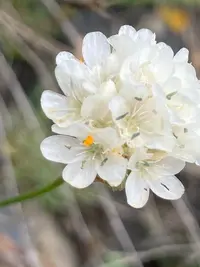
Armeria pubinervis is a compact, evergreen perennial forming low cushions of narrow, grass-like leaves. It belongs to the Plumbaginaceae family and is related to sea thrift. Dense clusters of small flower heads rise on slender stems, creating a neat mound that suits rock gardens, edging, and containers. The plant usually maintains a tidy shape with minimal pruning.
This species is native to specific rocky or coastal habitats, where it copes with wind, salt, and relatively poor soils. Its natural tolerance for lean, well-drained ground makes it suitable for low-maintenance gardeners who care for Armeria pubinervis in similar conditions. It generally prefers full sun, moderate moisture, and soil that does not stay wet for long periods.

Care Difficulty
Moderate Care

Light Preference
Full Sun

Water Requirements
Low Water

Temperature Preference
Cool Climate

Hardiness Zone
5–8

Soil Texture
Sandy, Loamy, Rocky

Soil pH
Acidic (5.5–6.5), Slightly acidic (6.5–7.0)

Soil Drainage
Well-drained

Fertilization
Minimal (feed rarely)
Scan your plant to receive care tips personalized for your specific plant
Available on iOS and Android
This compact perennial thrives in open, bright positions with consistent direct sun.
This species prefers slightly dry, free-draining conditions and is sensitive to waterlogged soil.
This hardy perennial tolerates a wide temperature range but flowers best in mild, stable conditions.
This coastal species tolerates typical home humidity but benefits from moderately dry air.
This plant prefers lean, very free-draining, mineral-based soil that mimics coastal or rocky habitats.
This species is well suited to container growing when drainage and root conditions are carefully managed.
This alpine perennial grows best in lean soil and needs only light feeding.
Pruning helps this compact clump-forming perennial stay tidy and flower well.
This species is more often transplanted in rock gardens or borders than kept long term in containers.
This plant is commonly multiplied by division or seed under suitable conditions.
This species is generally cold hardy and requires little winter care in most temperate gardens.

Plant Health Check
Not sure what's wrong with your plant? Check your plant's health inside the app.
This species is naturally restricted to high-altitude, rocky slopes of the central and eastern Pyrenees, where it grows in thin, mineral-rich soils and endures strong temperature fluctuations between day and night.
Compared with many other sea thrift relatives, this taxon has noticeably pubescent (hairy) leaf surfaces, which reduce water loss and provide some protection from intense mountain sunlight and wind exposure.
Plants often anchor in narrow rock crevices, using a dense root system to exploit small pockets of moisture and nutrients that accumulate in fissures of limestone or siliceous substrates.
This species typically forms tight, slowly widening clumps rather than spreading aggressively. It may self-seed lightly in suitable conditions, but seedlings are usually manageable and do not create invasive, running mats in gardens.
Keep your plants happy and healthy with plant identification, disease detection, and easy care guidance.